MICKEY AT 30,000 FEET
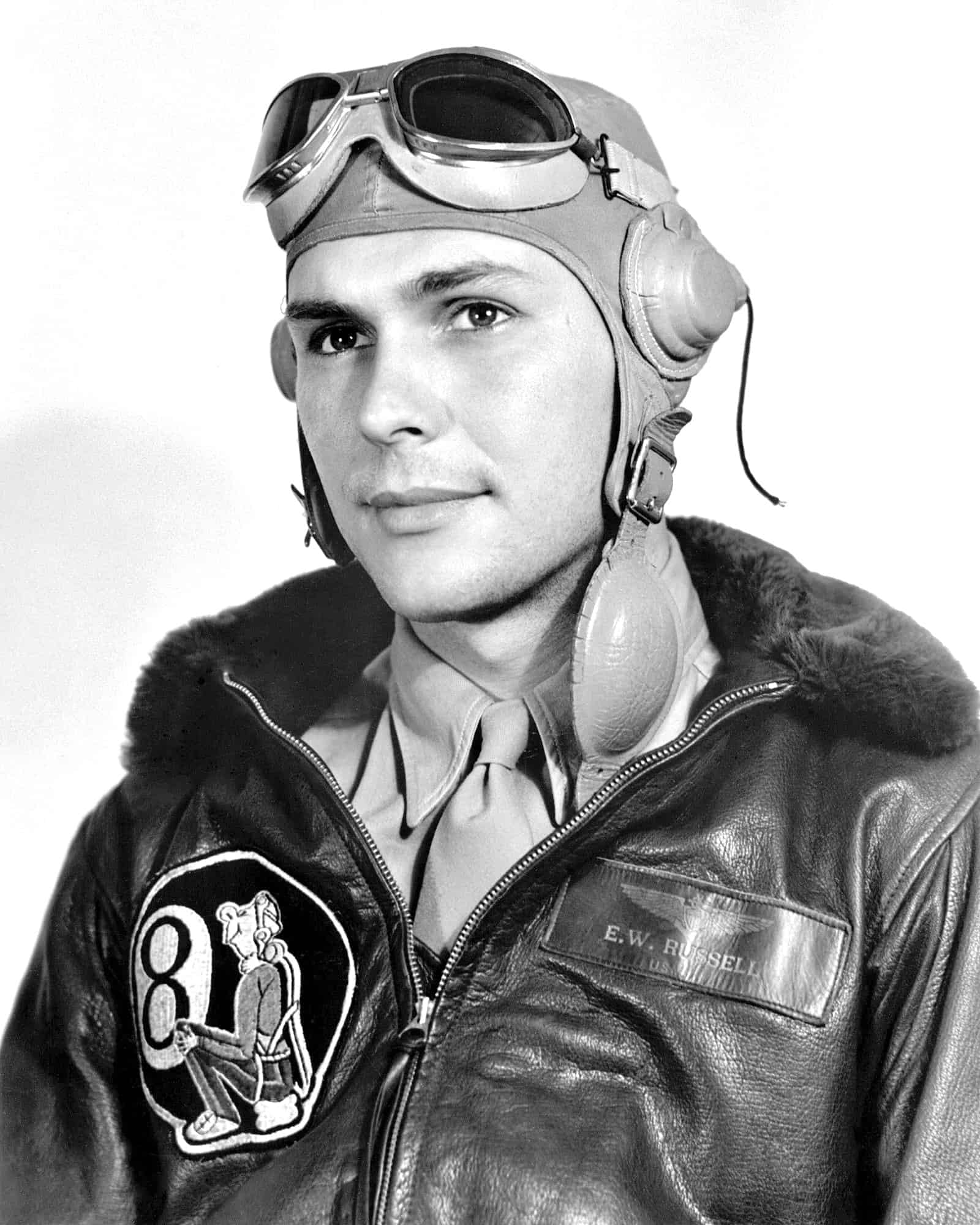
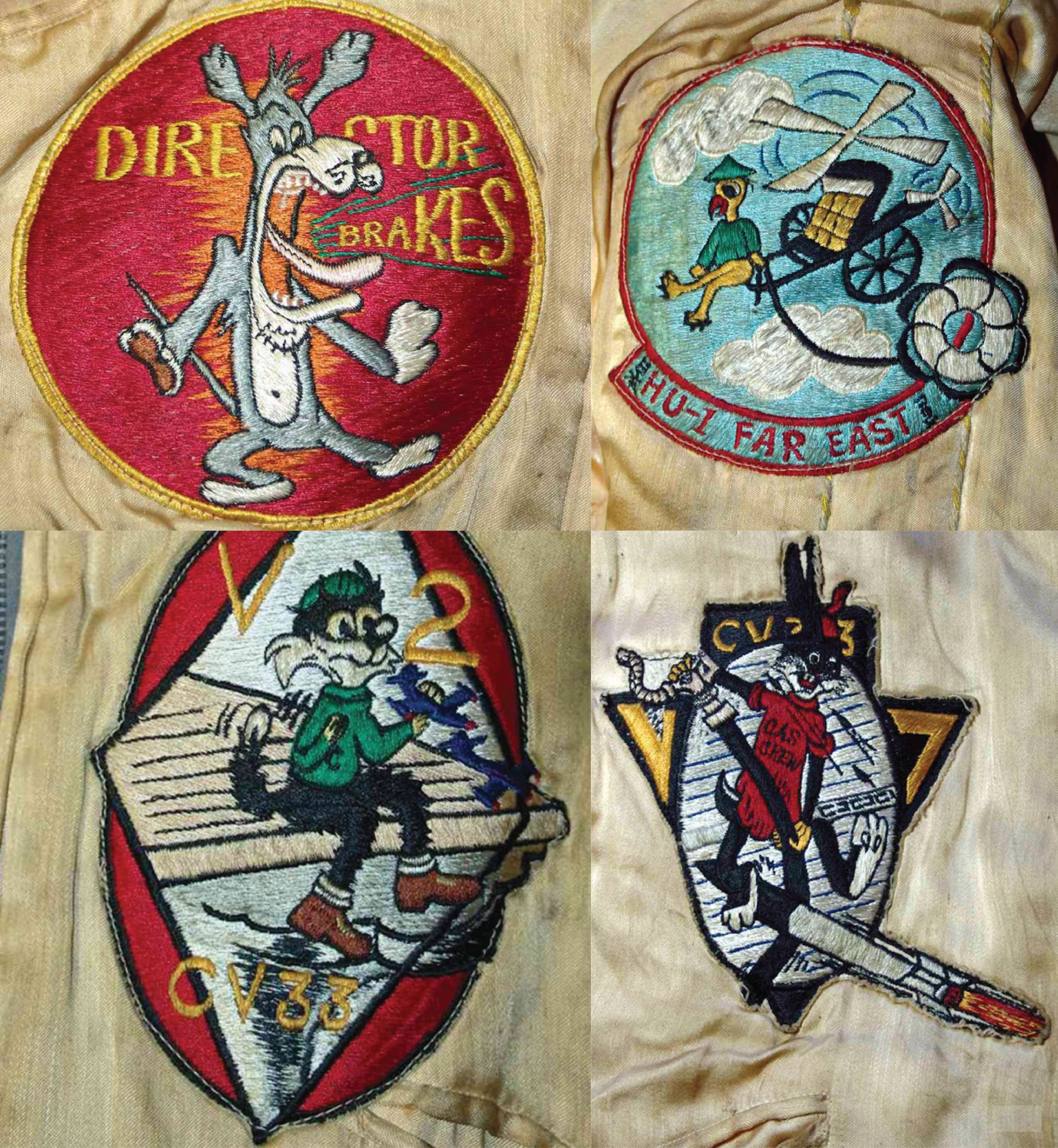
(Left) United States Marine Corps Captain Robert M. Baker in Squadron Patched Jacket (source: unknown) (Right) Various Squadron Patches from Vintage Military Jacket (source: unknown)
The squadron patch came into its own during World War II, when the A-2 leather flight jacket became the primary canvas. Pilots, navigators, and bombardiers routinely decorated them with squadron patches and elaborate artwork painted on the back. The jacket was government-issued, but everything on it was personal.
The purpose of this artwork was not decoration — it was psychological armor. Casualty rates among combat aircrews were devastating, and the rigid official emblems handed down from command — shields, eagles, and heraldic crests — offered no comfort to the men wearing them. The patch functioned simultaneously as a protective talisman and a fierce threat display. Seeking a symbol that was genuinely theirs, they sought out artists outside official channels.
Why They Went Outside the System
Pilots commissioned professional illustrators to design something the official system never could. The results were immediate and deeply felt. Instead of the arrogant and traditional symbols of classic military insignia, these designs carried humor, nostalgia, and an almost reckless energy. This design choice gave troops a sense of home rather than rank.
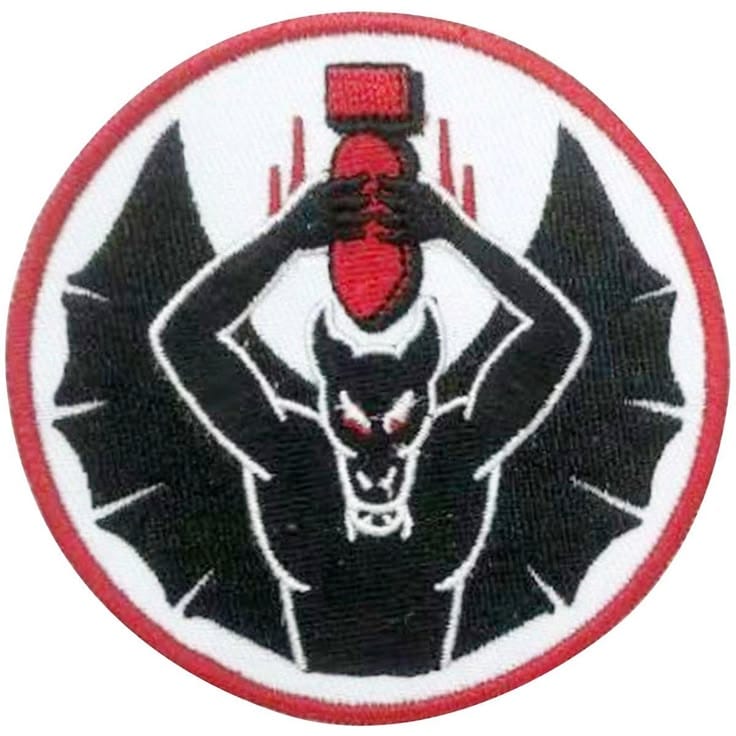
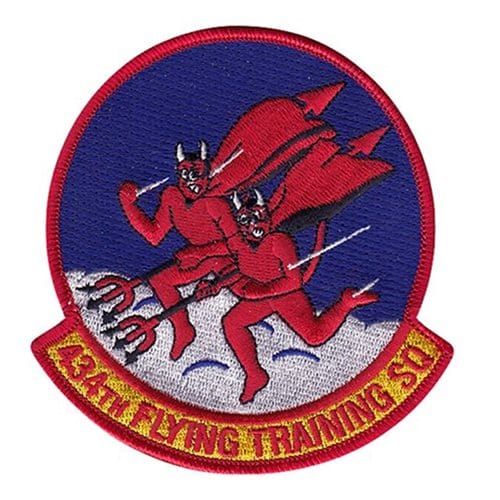
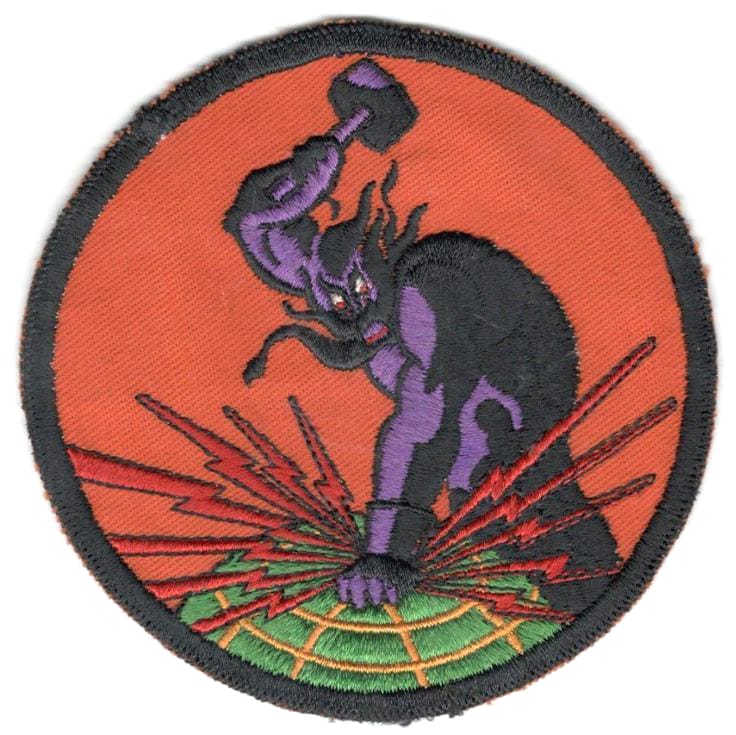
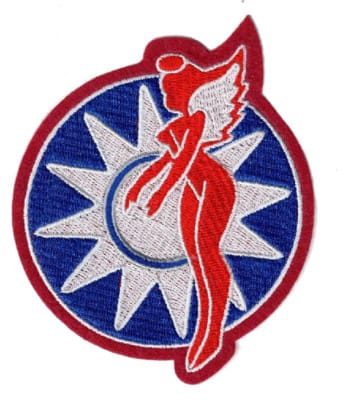
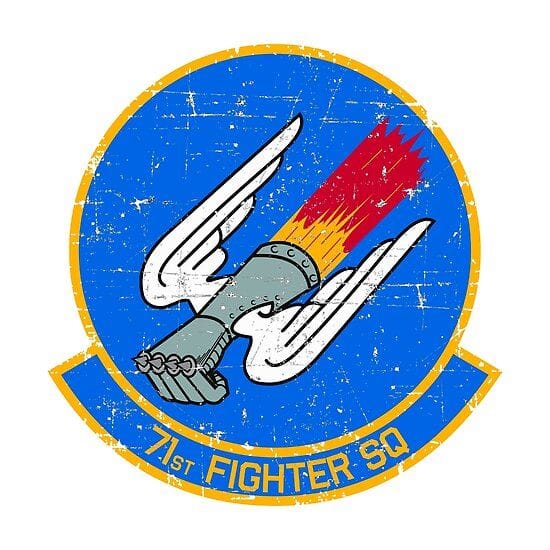
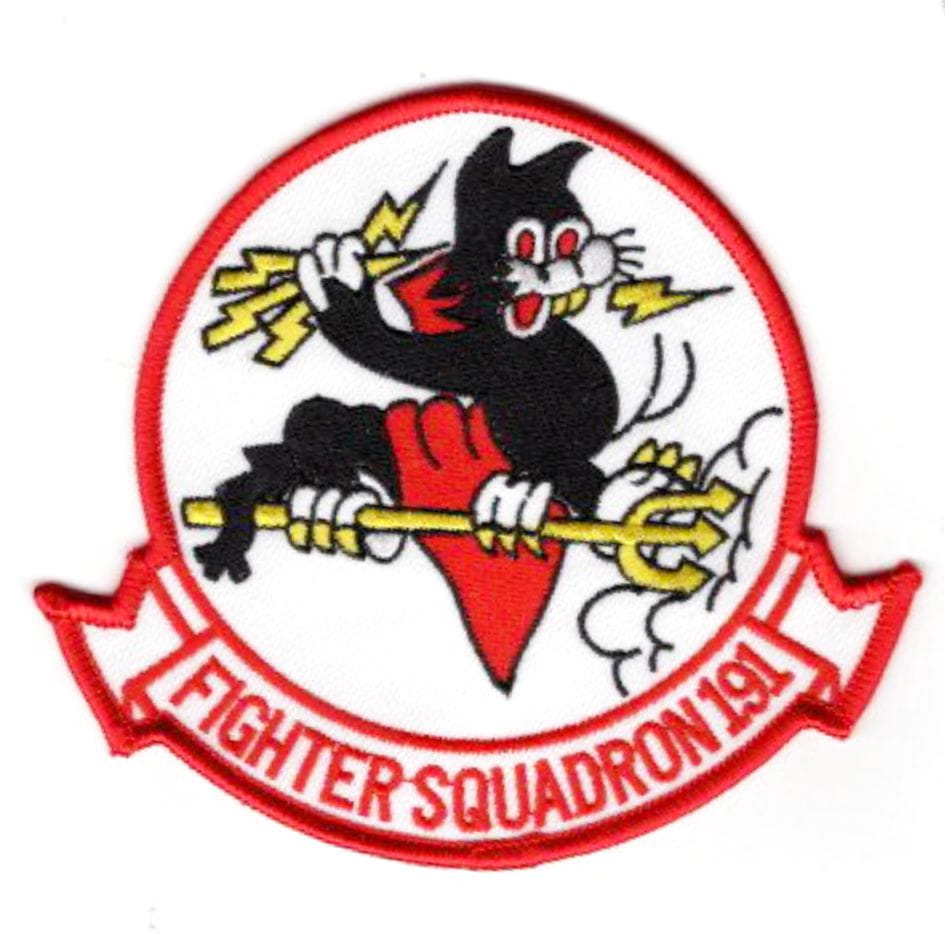
Squadron Patches from Various Squadrons (source: unknown)
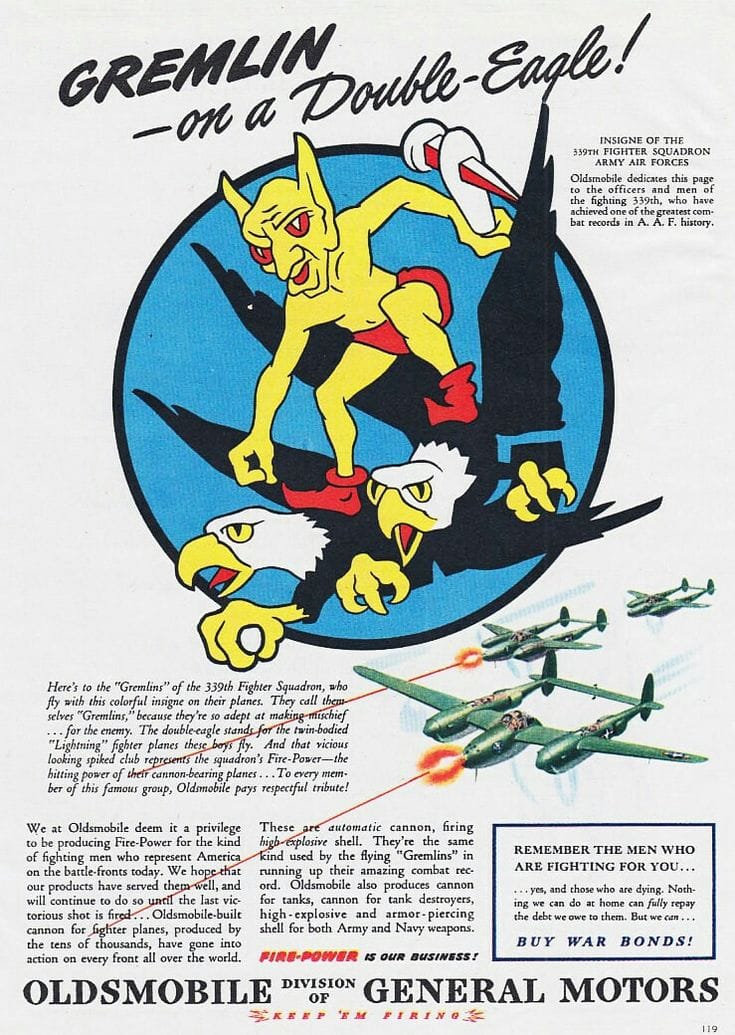
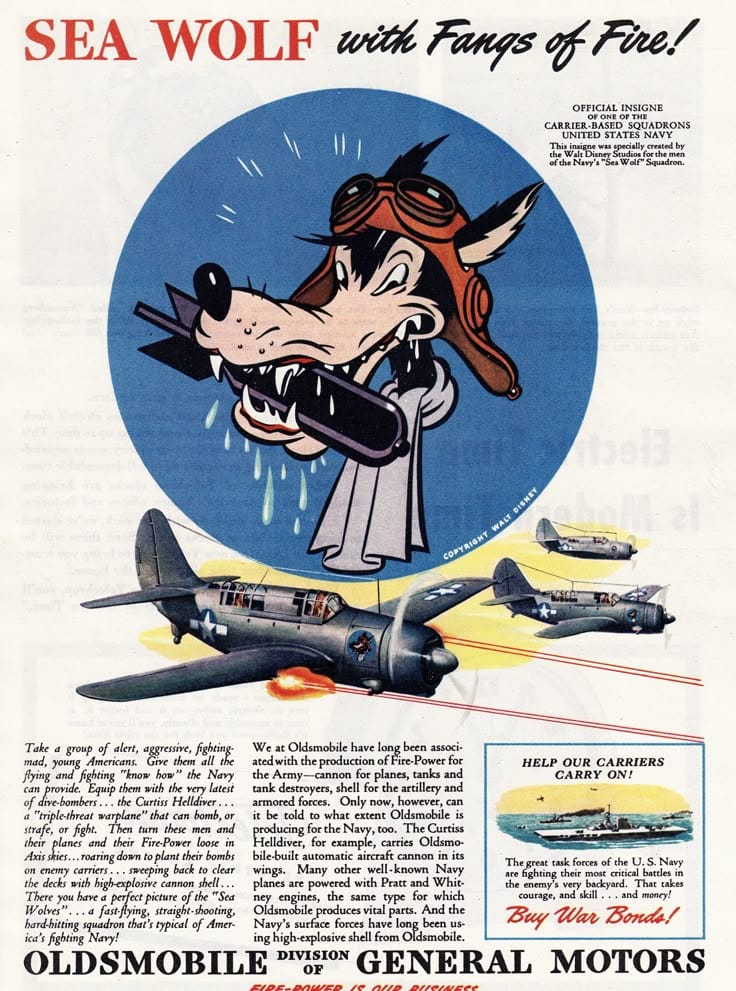
Vintage 1944 Oldsmobile Magazine Advertisement Featuring The Insignia of the U.S. Army Air Forces Squadrons (source: unknown)
The imagery they chose tells you everything about what they needed. Grim Reapers, fanged tigers, playing card suits, pinup figures, and cartoon characters wielding bombs filled the canvases. Many units also opted for more sinister mascots like devils, skulls and crossbones, or reapers. Before long, planes, boats, jeeps, tanks, jackets, and just about anything else you could print an image on were adorned with these unit crests.
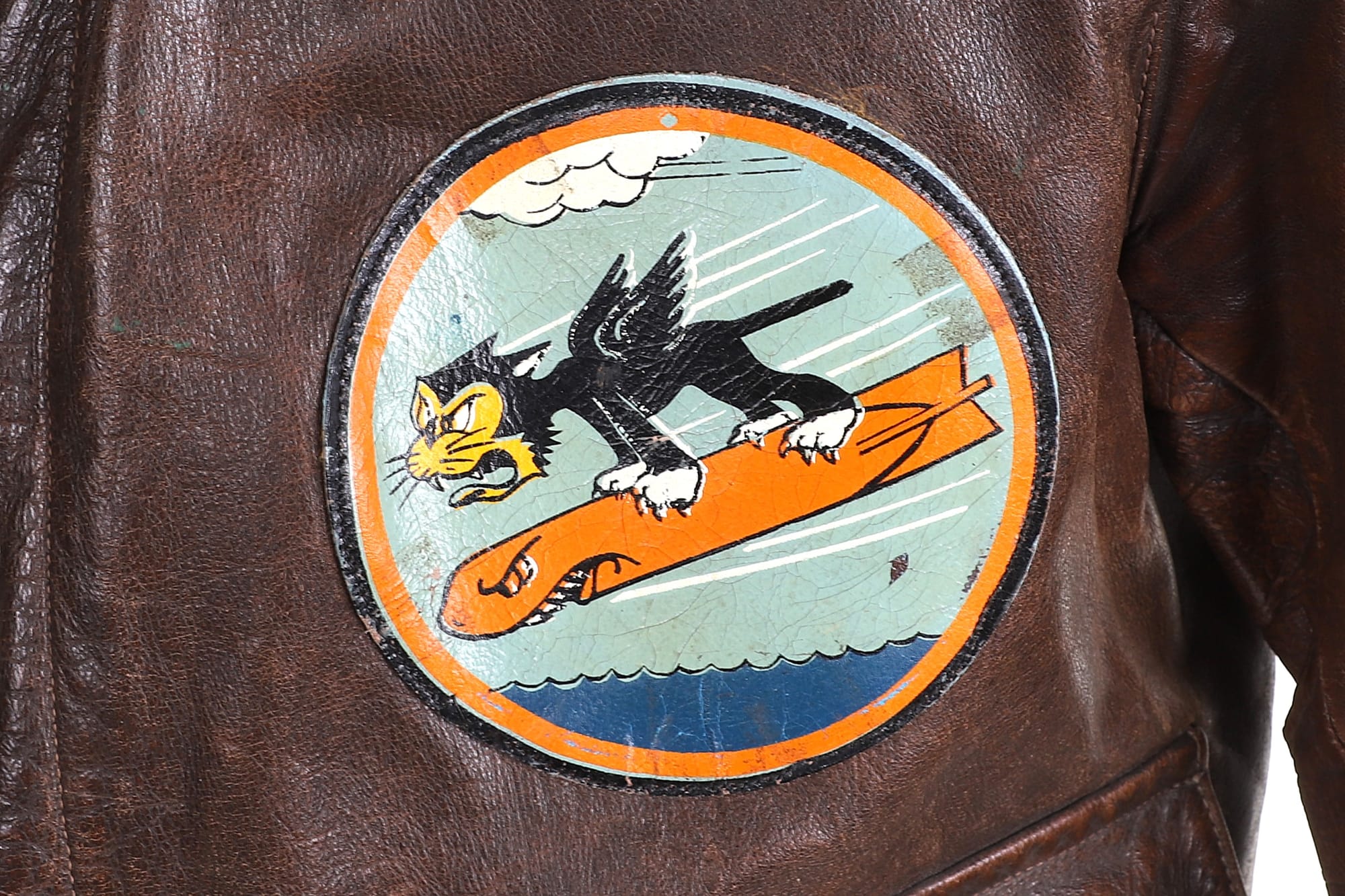
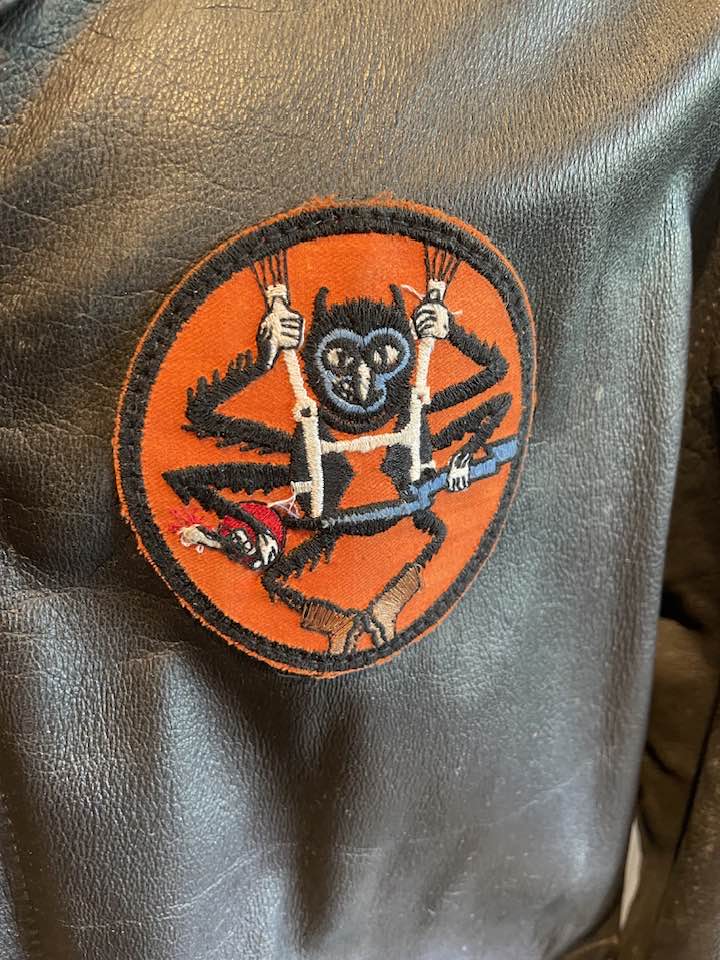
(Left) Original Army Air Force A2 Flight Jacket Featuring 493rd Bomb Squadron Patch (source: Military Collectibles Inc) (Right) Original Flight Leather Jacket Featuring 493rd 507th Parachute Infantry Regiment (source: unknown)
Disney's War
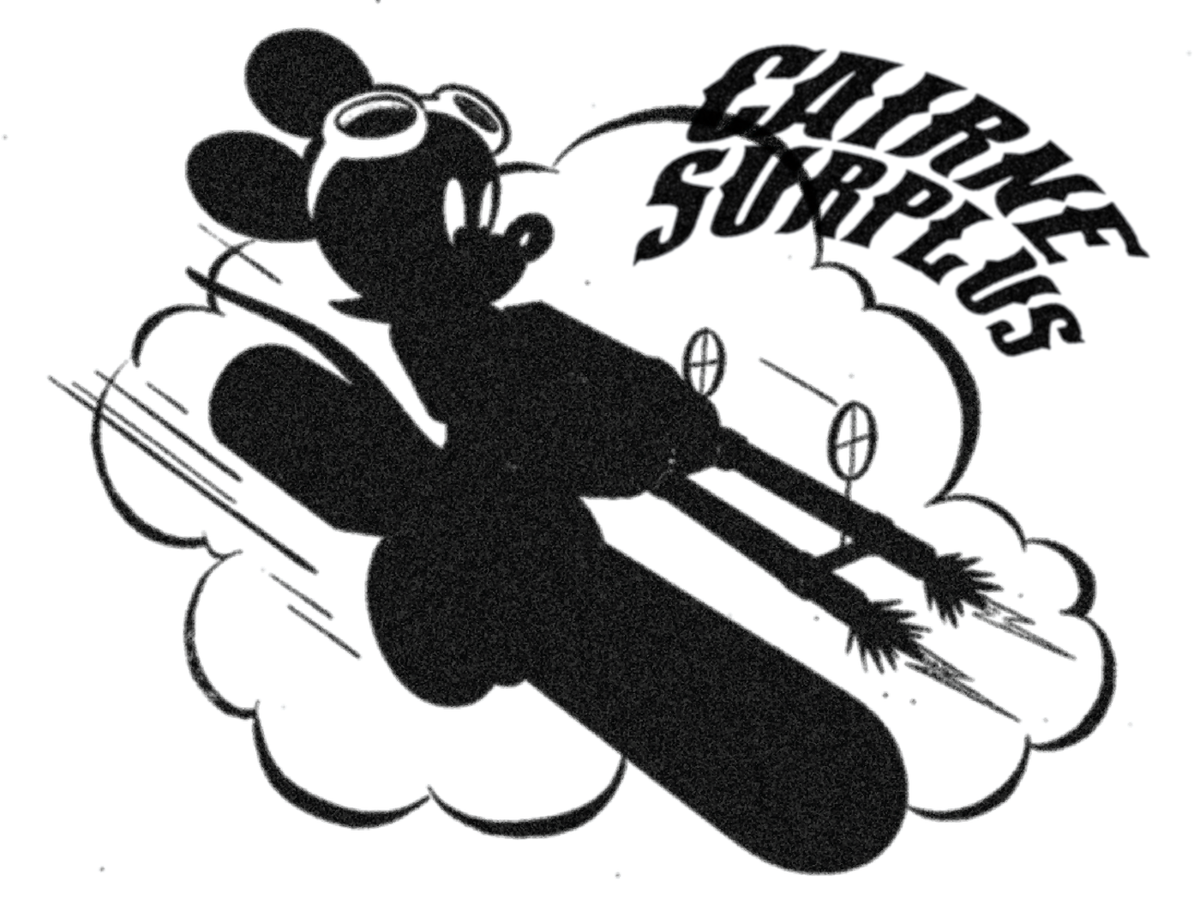
The most unlikely chapter in this history belongs to Walt Disney. By the time America entered WWII, Disney's characters had become the defining visual language of American pop culture. Mickey Mouse had already appeared without Disney's official permission on the patch of a Naval Reserve Squadron, and this pre-war patch started a trend that exploded across the military. The requests flooded in. By the end of the war, Disney's five-man staff assigned to insignia had completed over 1,200 unit insignias, never once charging a fee to the military.
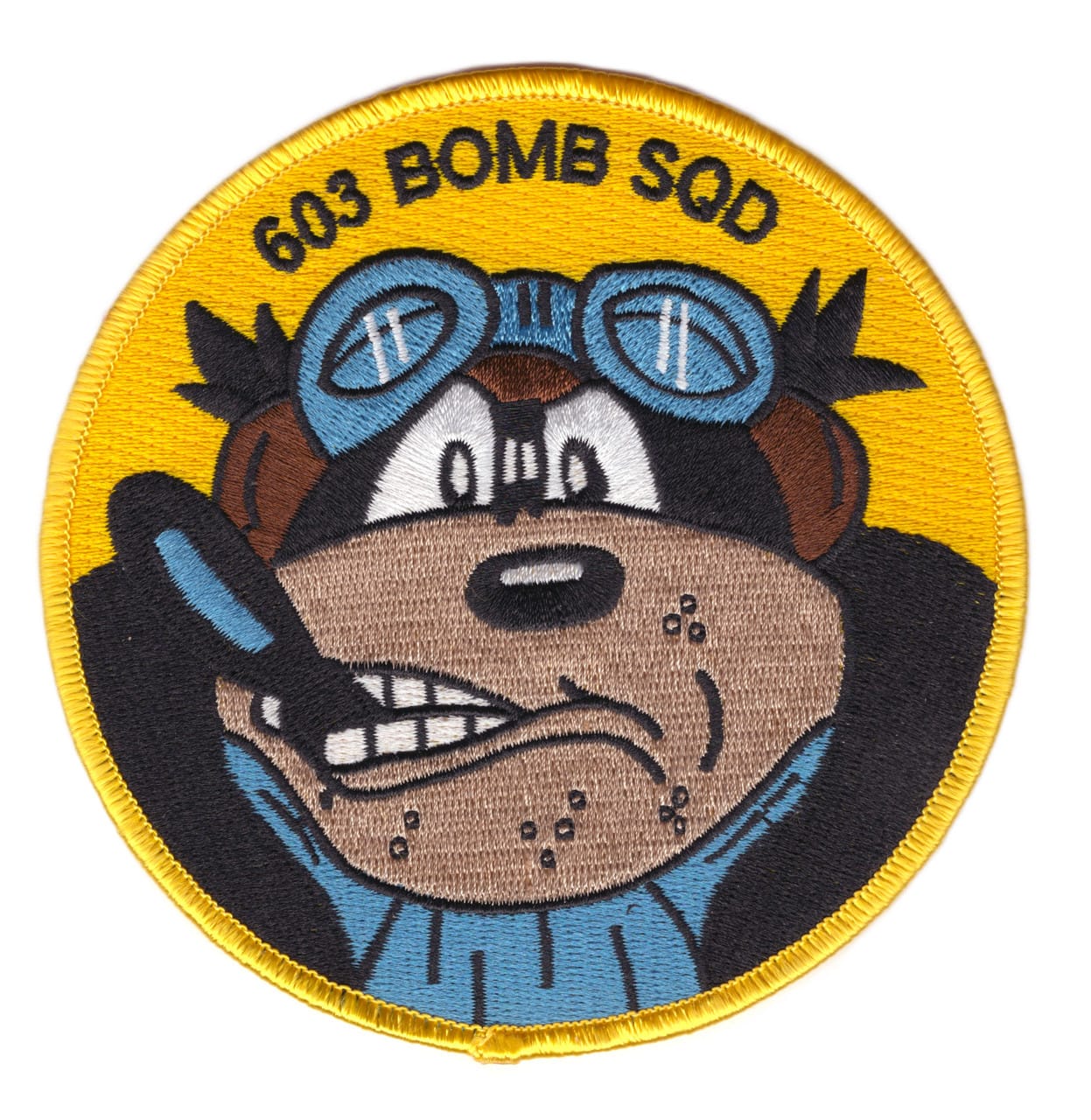
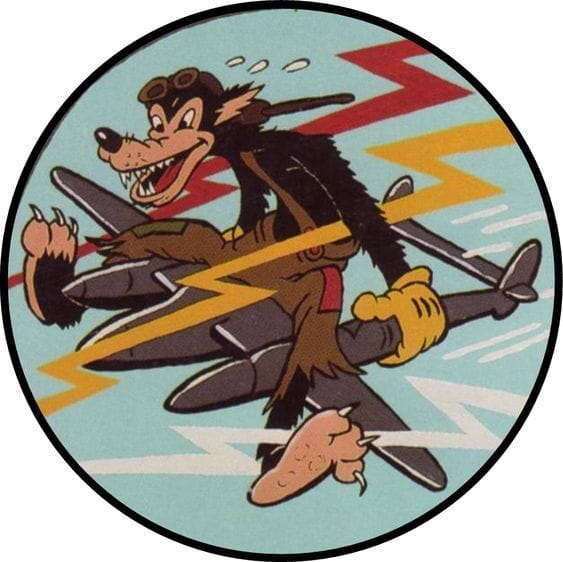
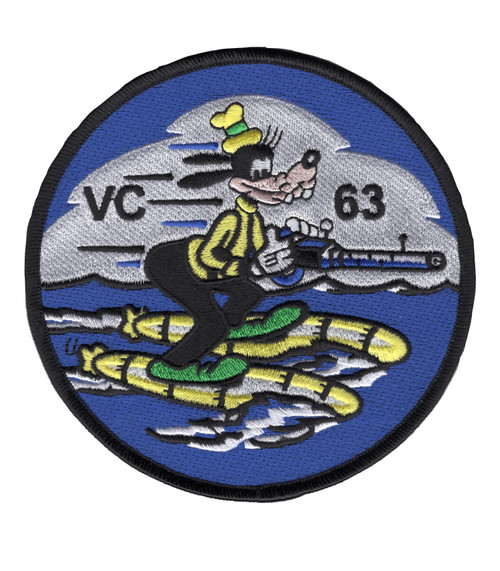
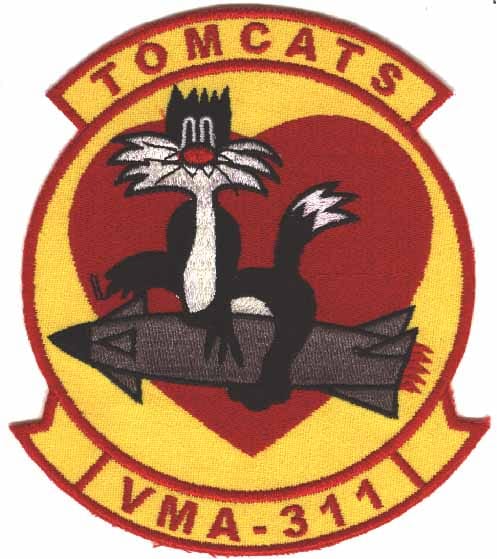
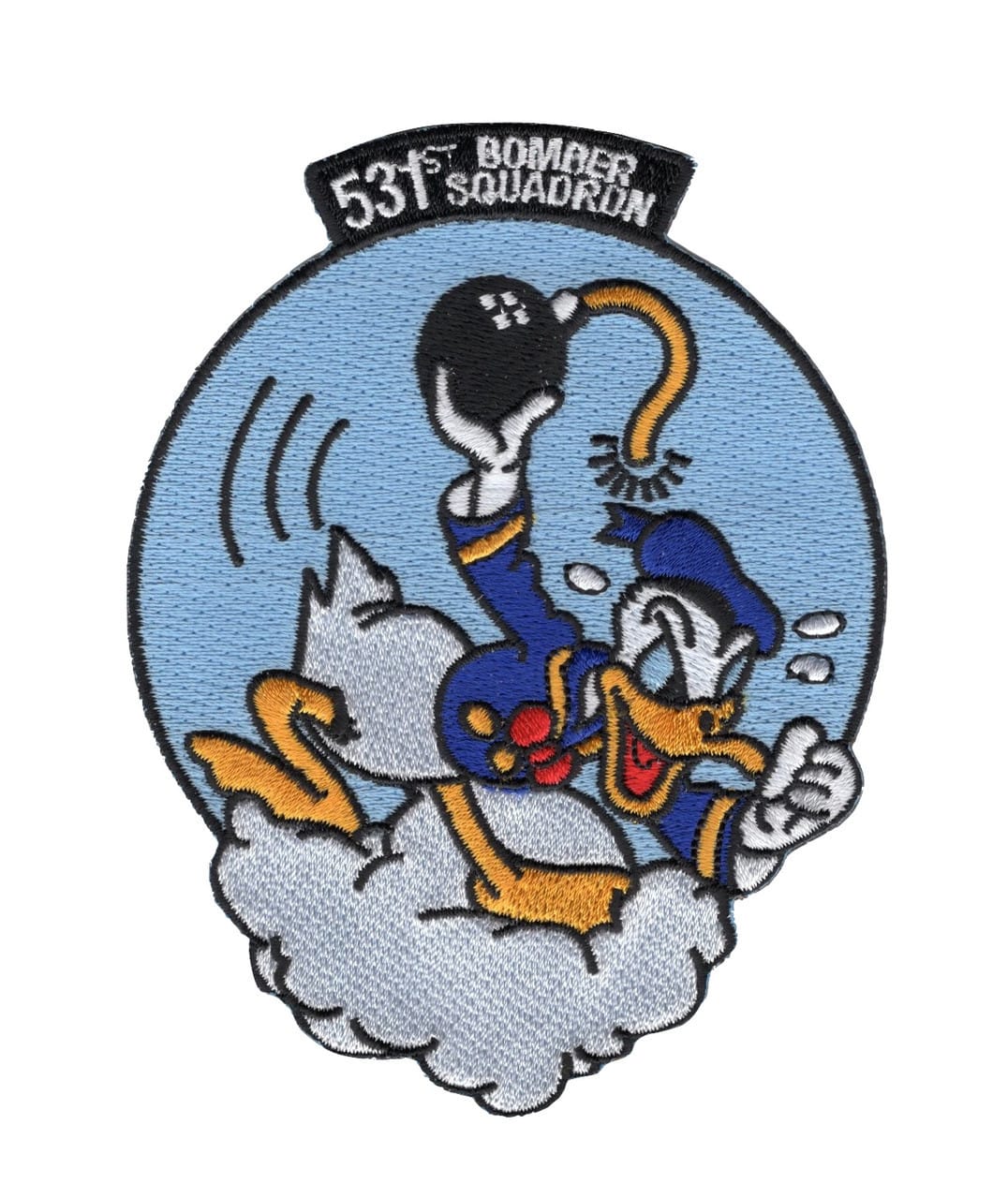
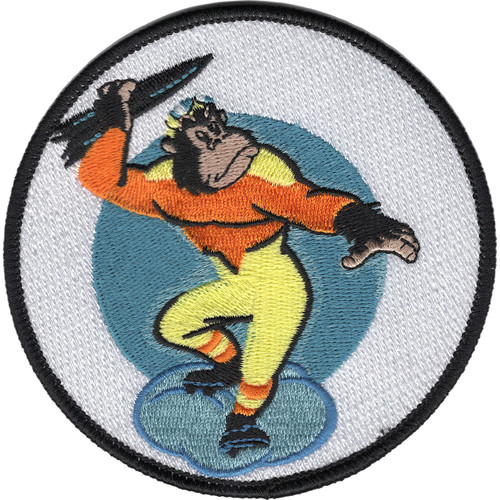
Squadron Patches from Various Squadrons, Designed by Walt Disney (source: unknown)
Every major Disney character at that time appeared on insignia except Bambi. New characters, including dogs, cats, apes, octopi, and storks, were created specifically for this purpose. Donald Duck alone appeared in at least 146 of the 1,200 designs. Requests came not only from U.S. forces but from European allies who had grown up watching Disney's work.
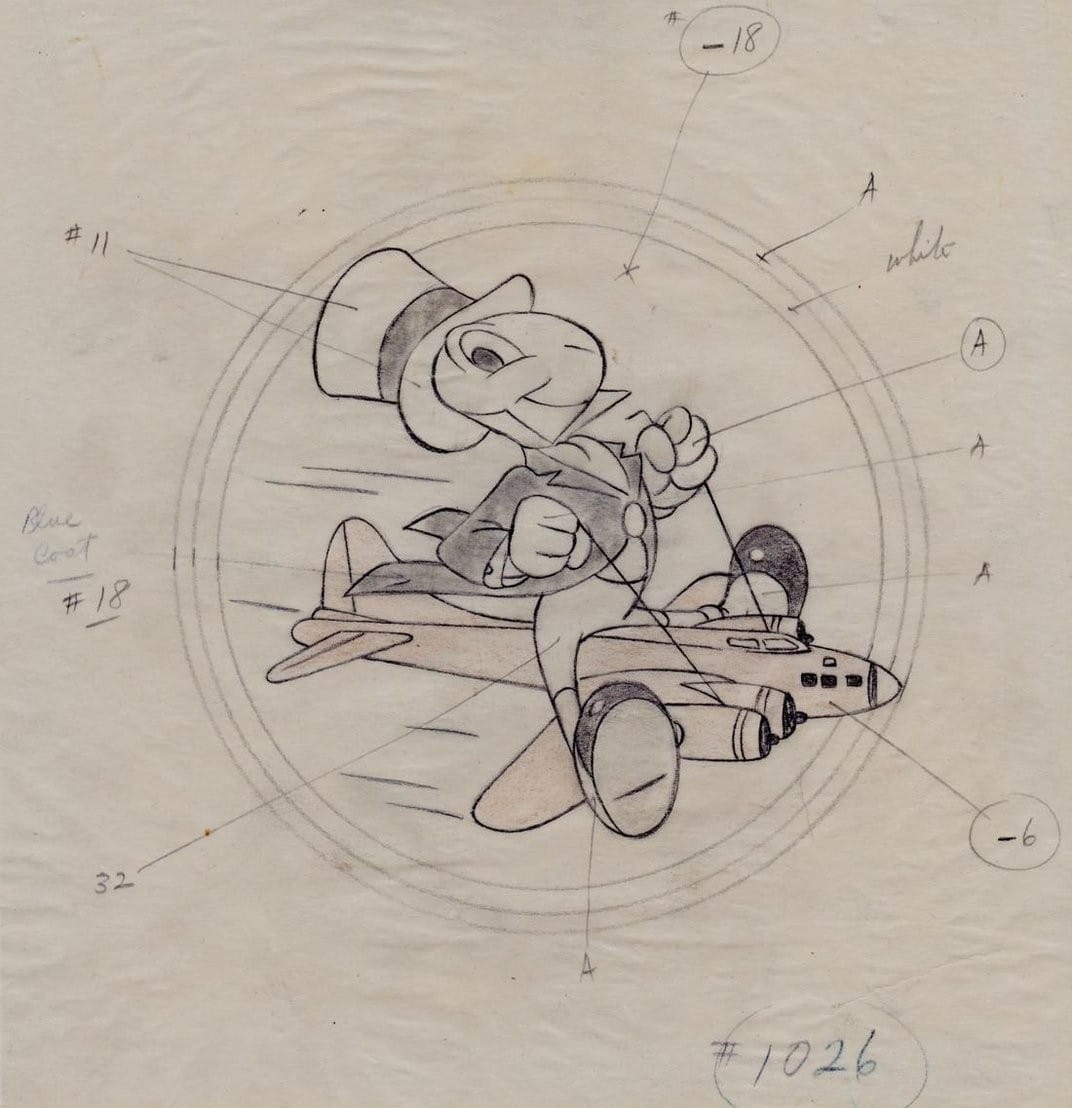
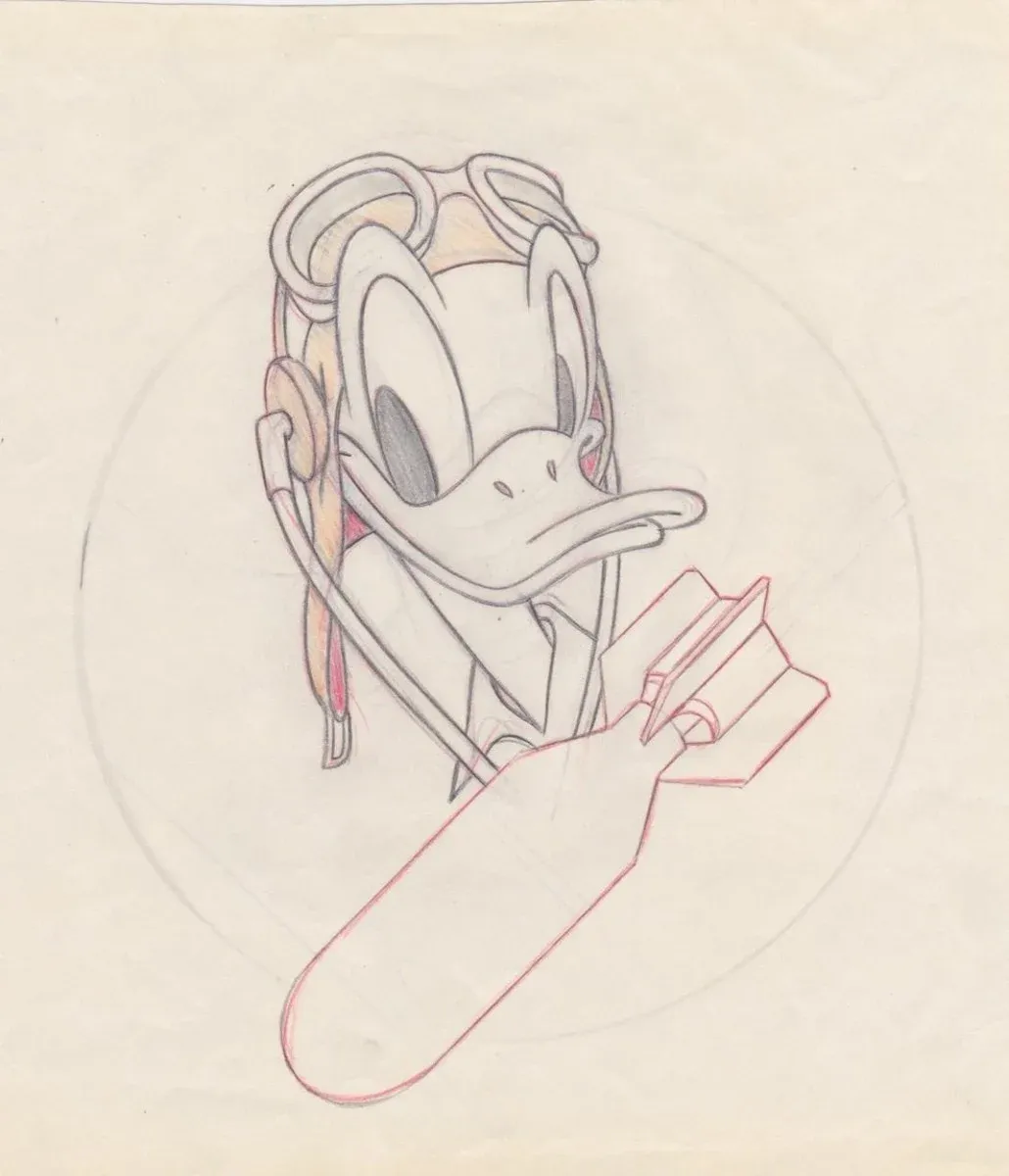
Squadron Patch Design Sketches by Walt Disney (source: Walt Disney)
The significance cuts deeper than wartime goodwill. Disney understood that a cartoon character that was familiar, warm, and slightly absurd could do what no official emblem ever could: make a 19-year-old feel like himself again, 30,000 feet above enemy territory.
What It Left Behind
When the war ended, most squadrons disbanded and their patches disappeared with them. But the visual grammar they established didn't. As the war progressed, personnel stationed in the Pacific Theater had their patches recreated in local materials. These intricate leather-on-leather constructions were hand-cut in multiple layers, elevating the patch from a simple piece of insignia to a unique artistic object.
That object, which was circular, hand-crafted, and loaded with personal meaning, outlived the war entirely. It migrated onto the backs of biker jackets, the sleeves of varsity letterman coats, and the arms of subculture uniforms across the following decades. The battle jacket culture, the dealership t-shirt, and the streetwear drop all carry the same underlying logic: a system-issued garment made personal by what gets attached to it.
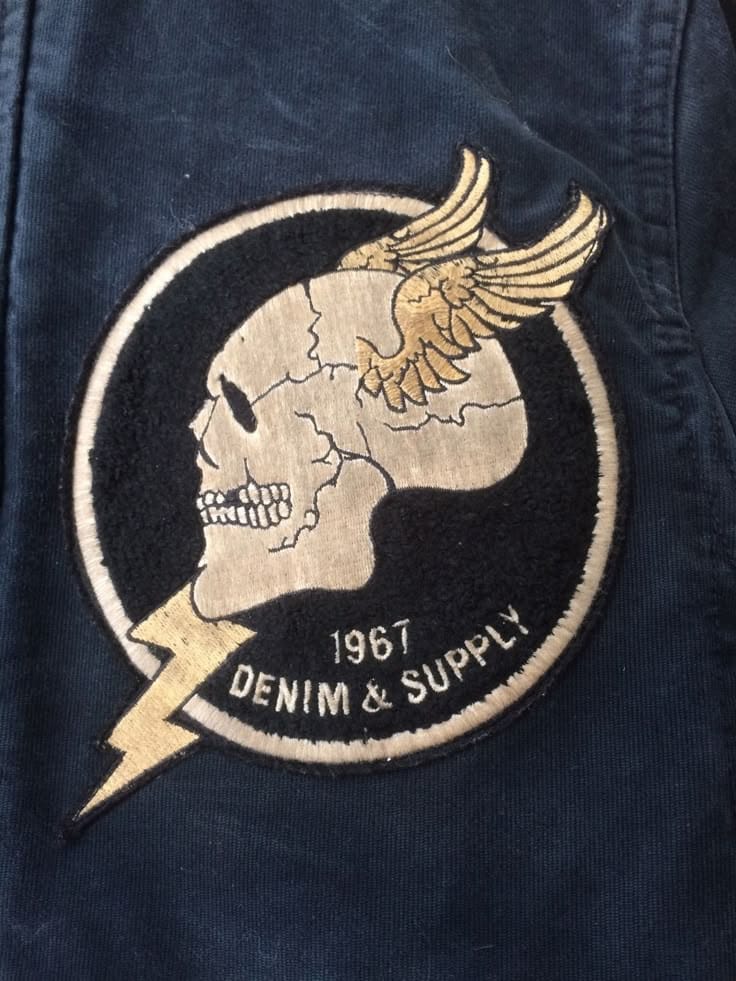
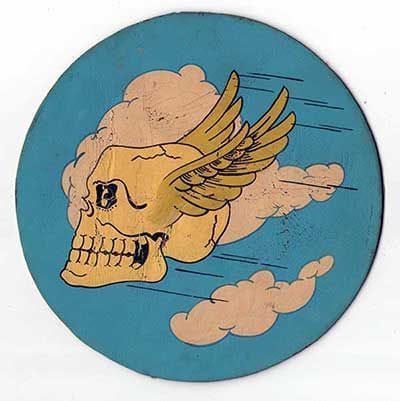
(Left) Ralph Lauren Denim & Supply Skull patch Jacket (source: Ralph Lauren) (Right) "Flying Skull" 85th Fighter Squadron Patch (source: unknown)
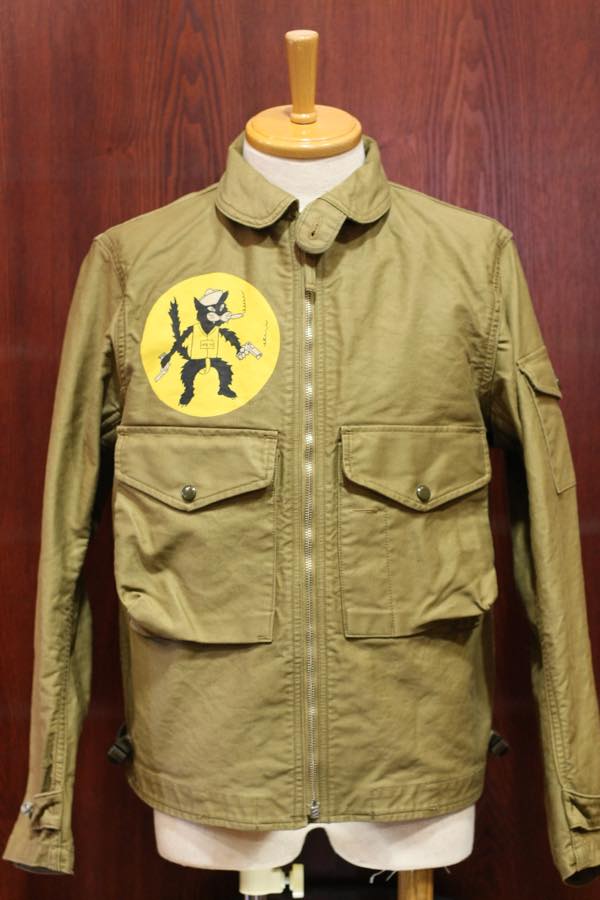
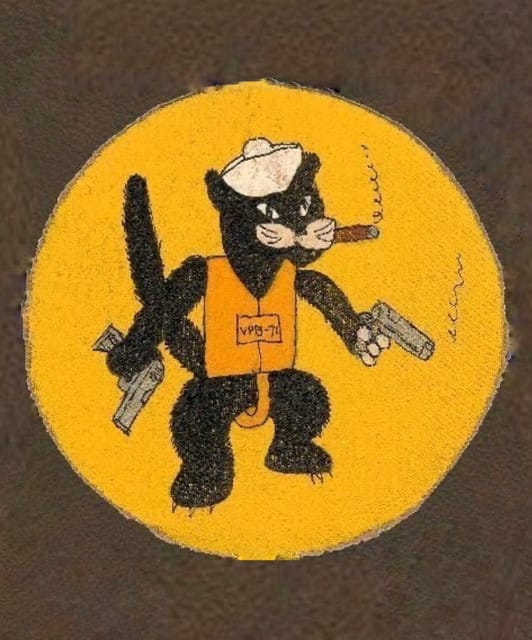
(Left) FREEWHEELERS and COMPANY Flying Jacket (source: Avenue Website) (Right) VPB-71 "Black Cats" Squadron Patch (source: unknown)
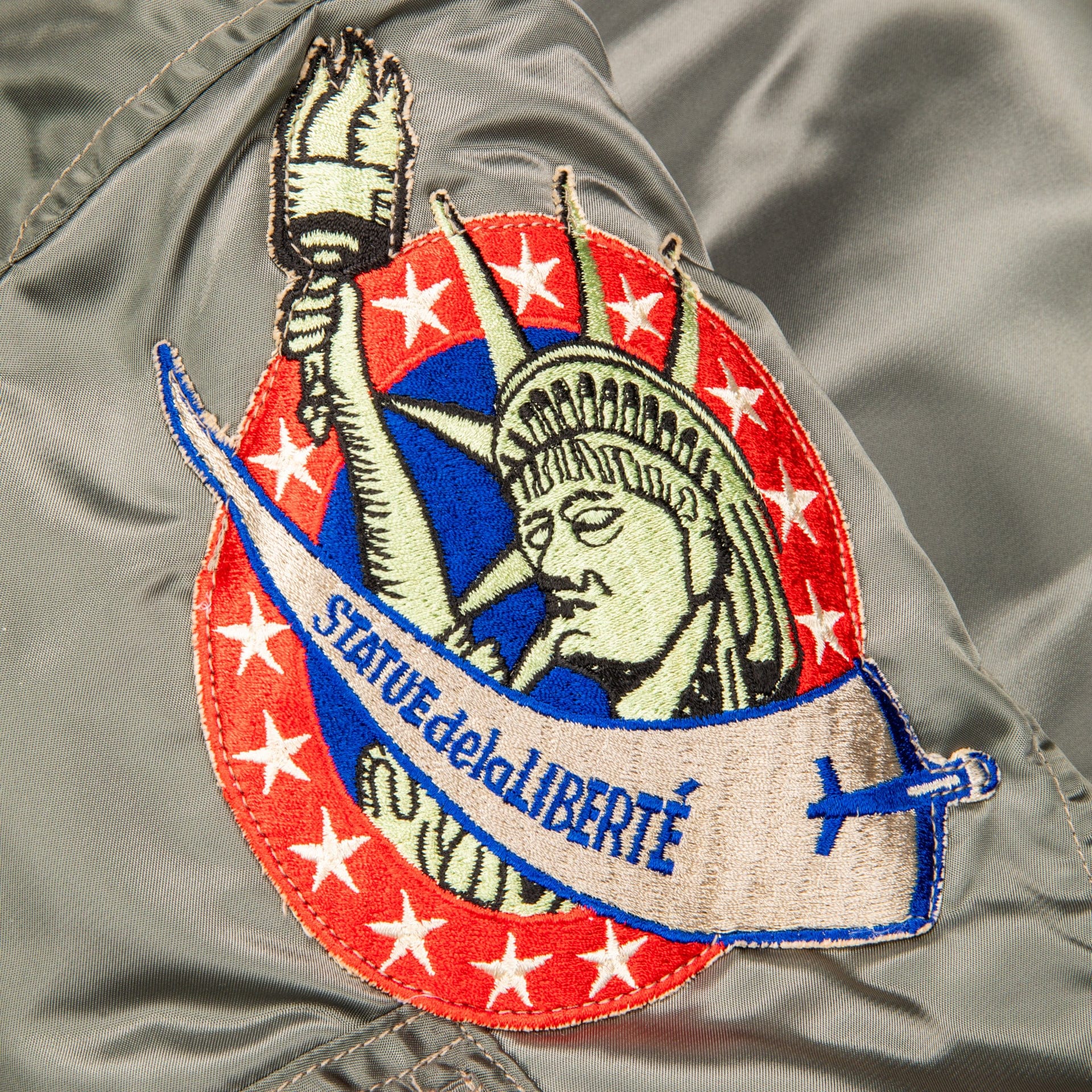
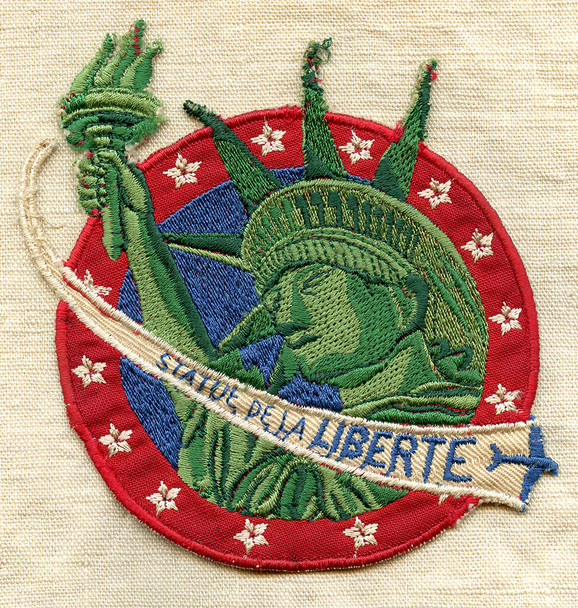
(Left) Real McCoy's MA-1 Jacket (source: Frans Boone)(Right) Air Force 48th Fighter-Bomber Squadron Patch (source: unknown)
The patch didn't just survive the war. It became the template for how subcultures have marked themselves ever since.
Inquiry