PUNK IS NOT DEAD Vol.1
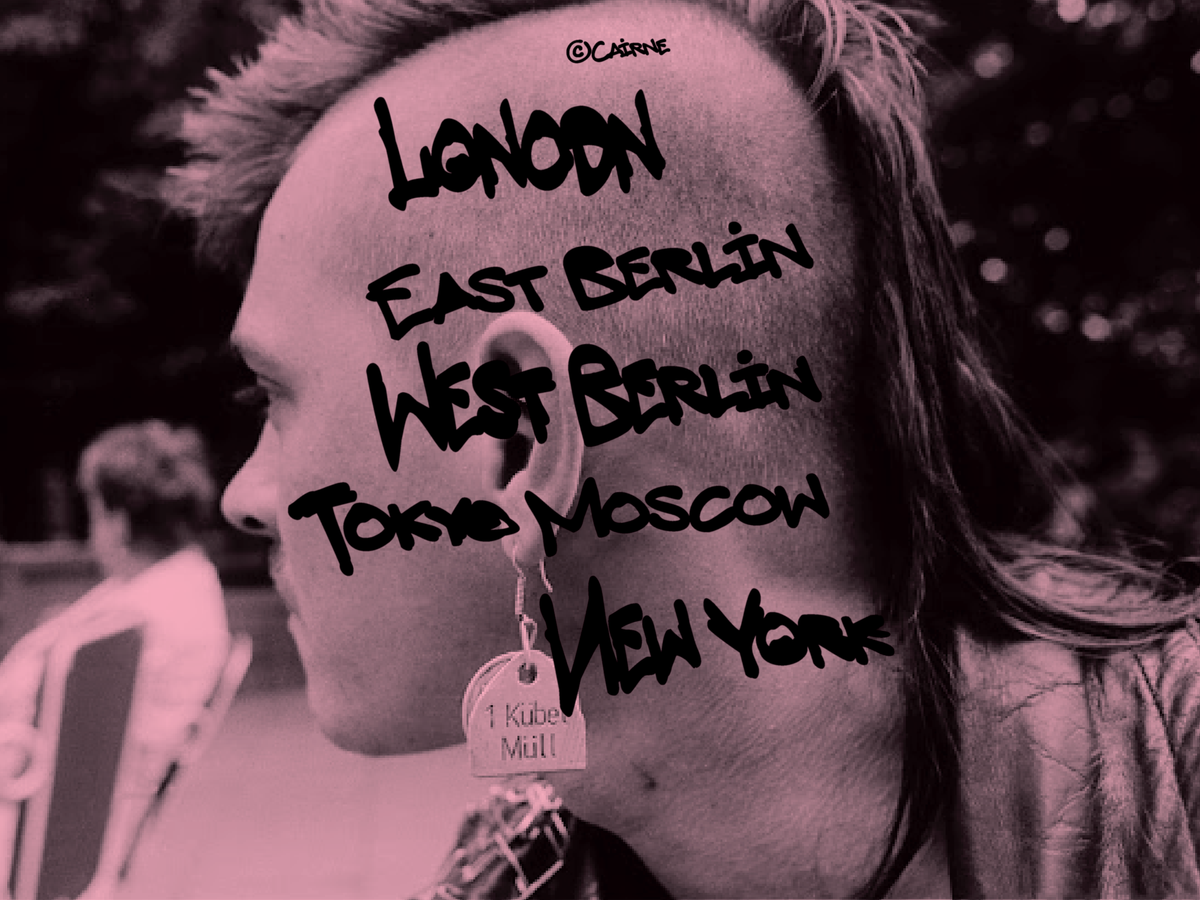
Punk didn't belong to one country. It didn't have a single flag, a single enemy, or a single way of dressing. What it had was a temperature — and that temperature ran the same everywhere: too young, too angry, and with too little to lose. Across borders and ideologies, youth found each other through a shared pulse and a shared refusal to remain silent. The longing for freedom doesn't need a translator.
But the shape of that refusal looked different depending on where you were standing. The system you were pushing against determined how hard you could push and what it cost you if you did. These are the raw records from the back alleys and underground clubs of the 1970s and 80s. This is what that burning solidarity looked like.
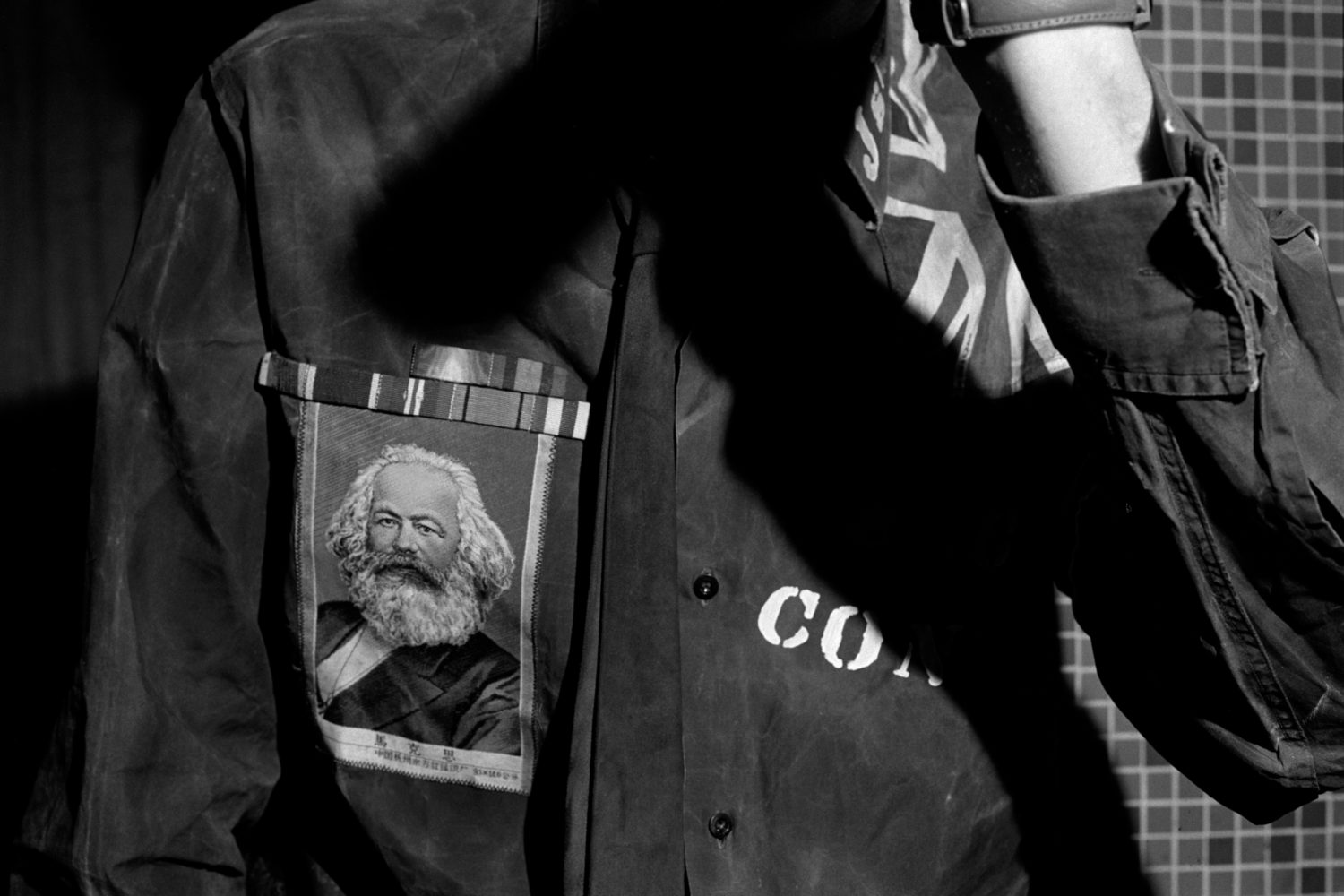
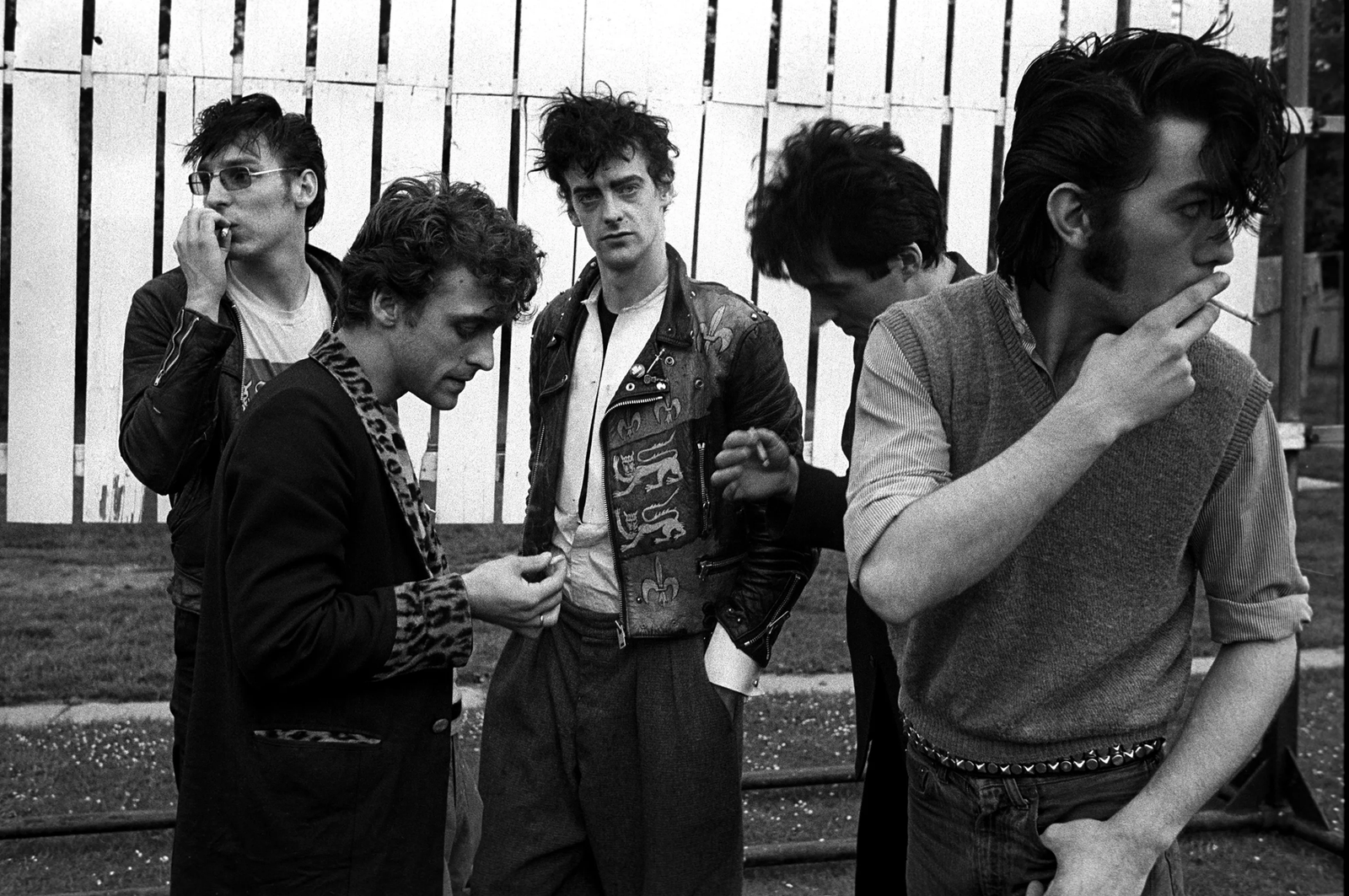
LONDON
British punk was born from class anger. In 1976, with unemployment rising and working-class youth staring at a future that had already been decided for them, punk converted that frustration into sound and appearance. Safety pins, torn clothes, deliberately offensive slogans — all of it designed to be unwearable by anyone who had something to lose.
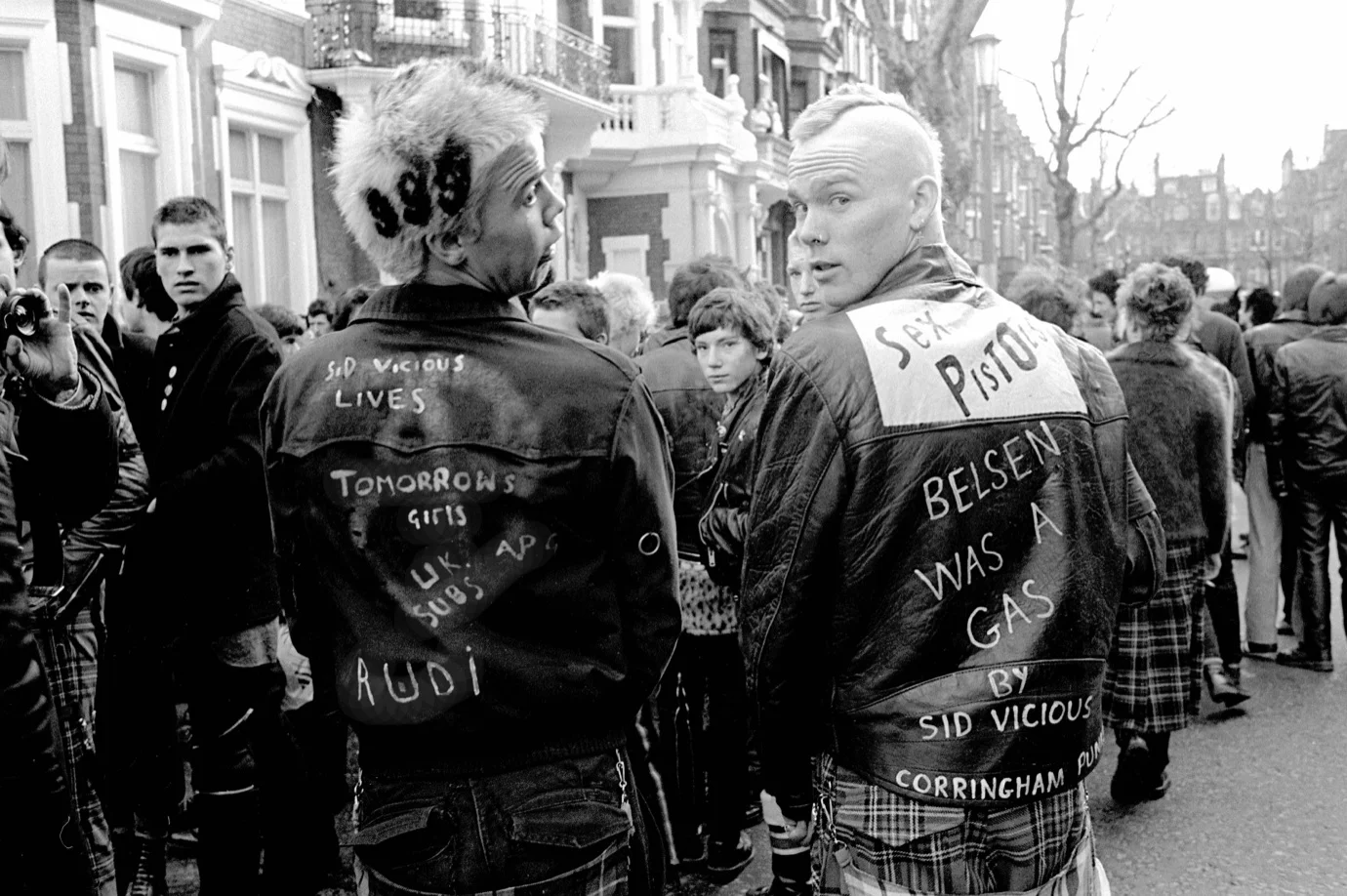
© Janette Beckman, 1979



NEW YORK
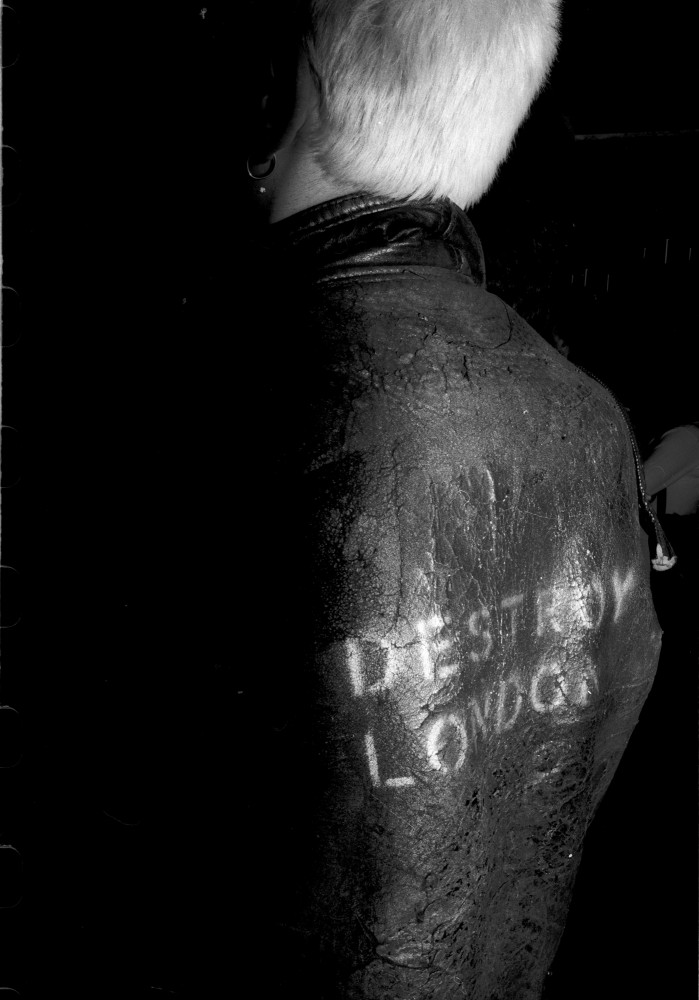
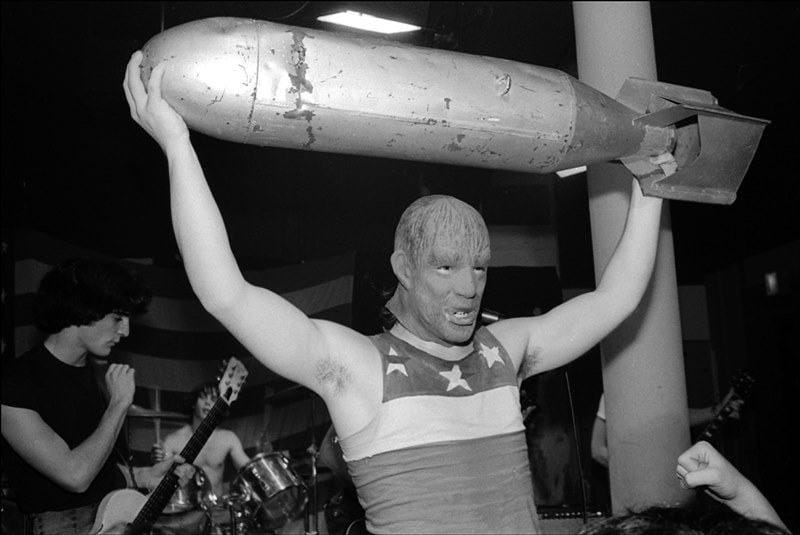
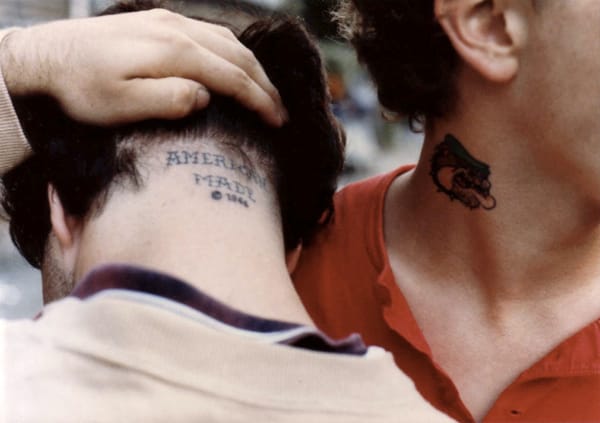
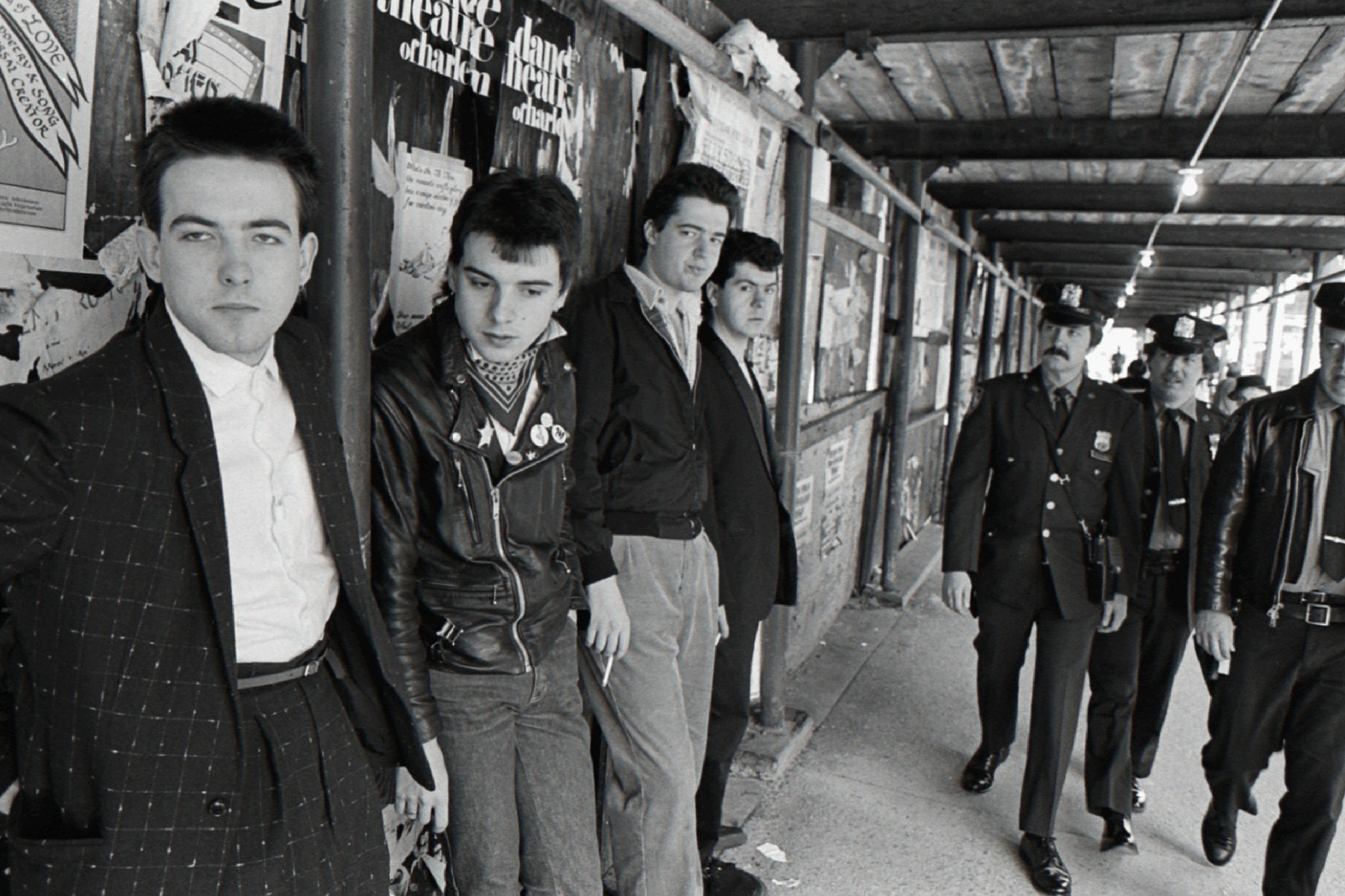
New York punk came first, and it came from a different place. The scene that built itself inside CBGB — Ramones, Television, Patti Smith, Blondie — emerged not from class rage but from artistic exhaustion and urban collapse. 1970s New York was a city on the edge of bankruptcy. Buildings burned. Streets were dangerous. City services didn't show up. Inside that entropy, CBGB was the one space that asked nothing of anyone. Where London punk performed its anger, New York punk was already living inside it.

© Christine Boarts Larson, 1990


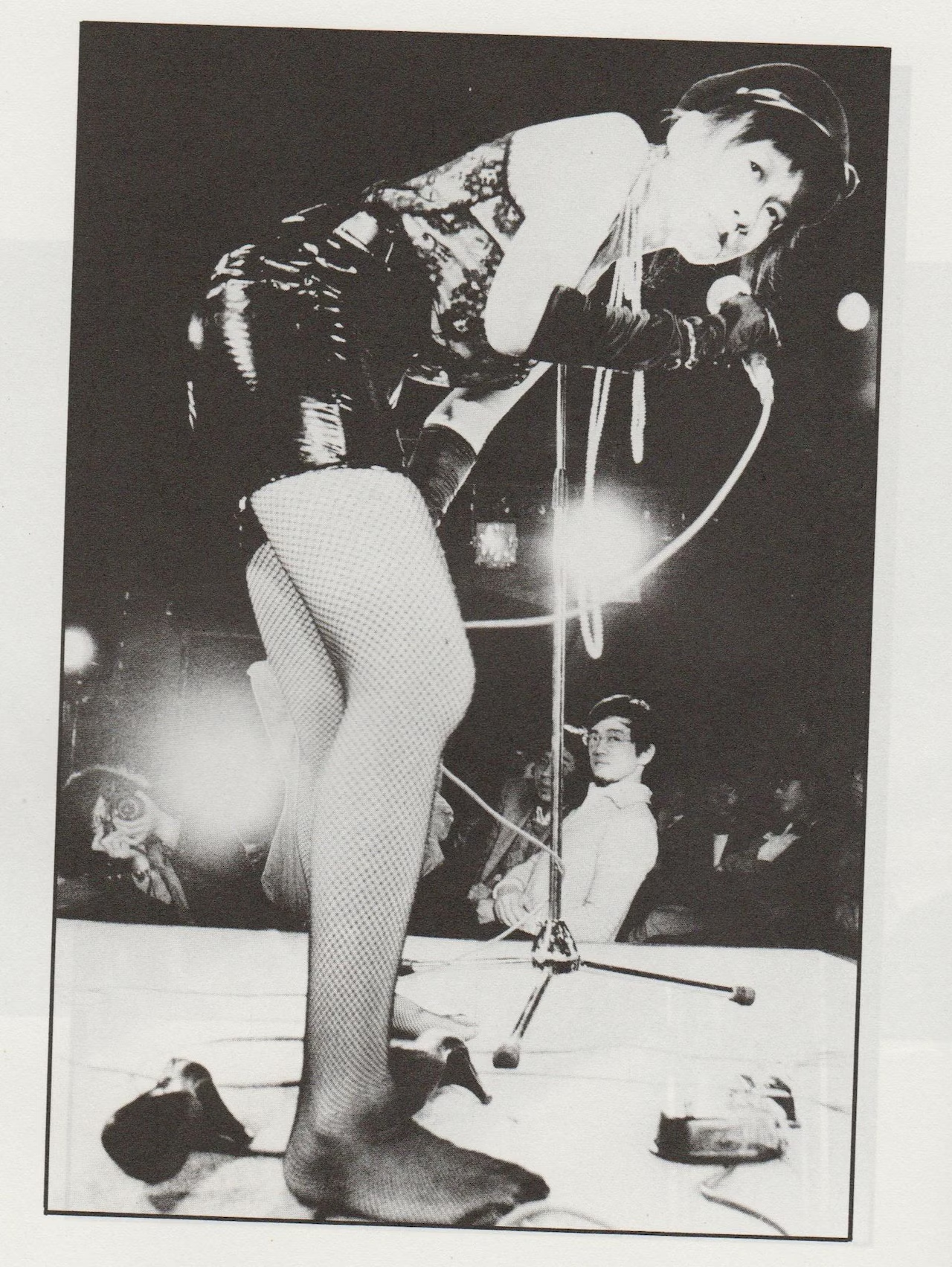
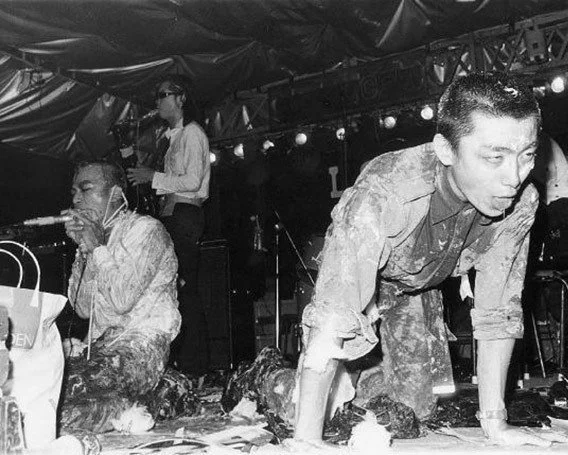
TOKYO
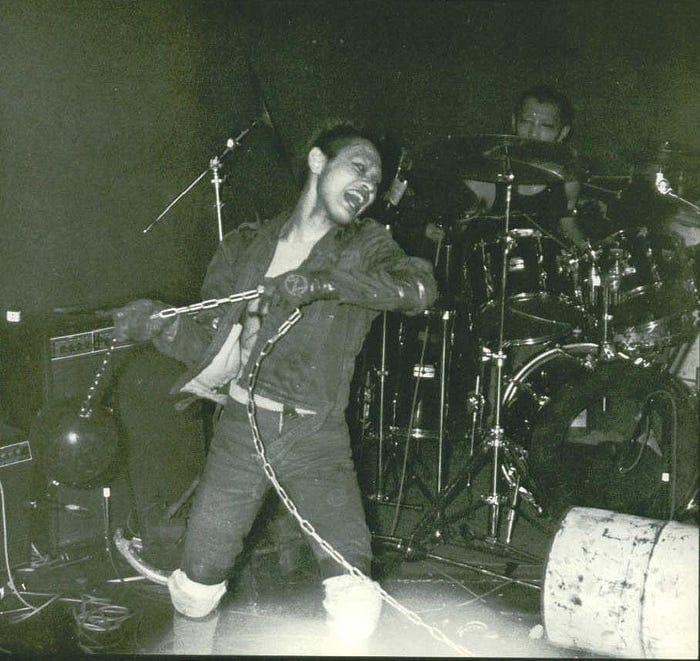
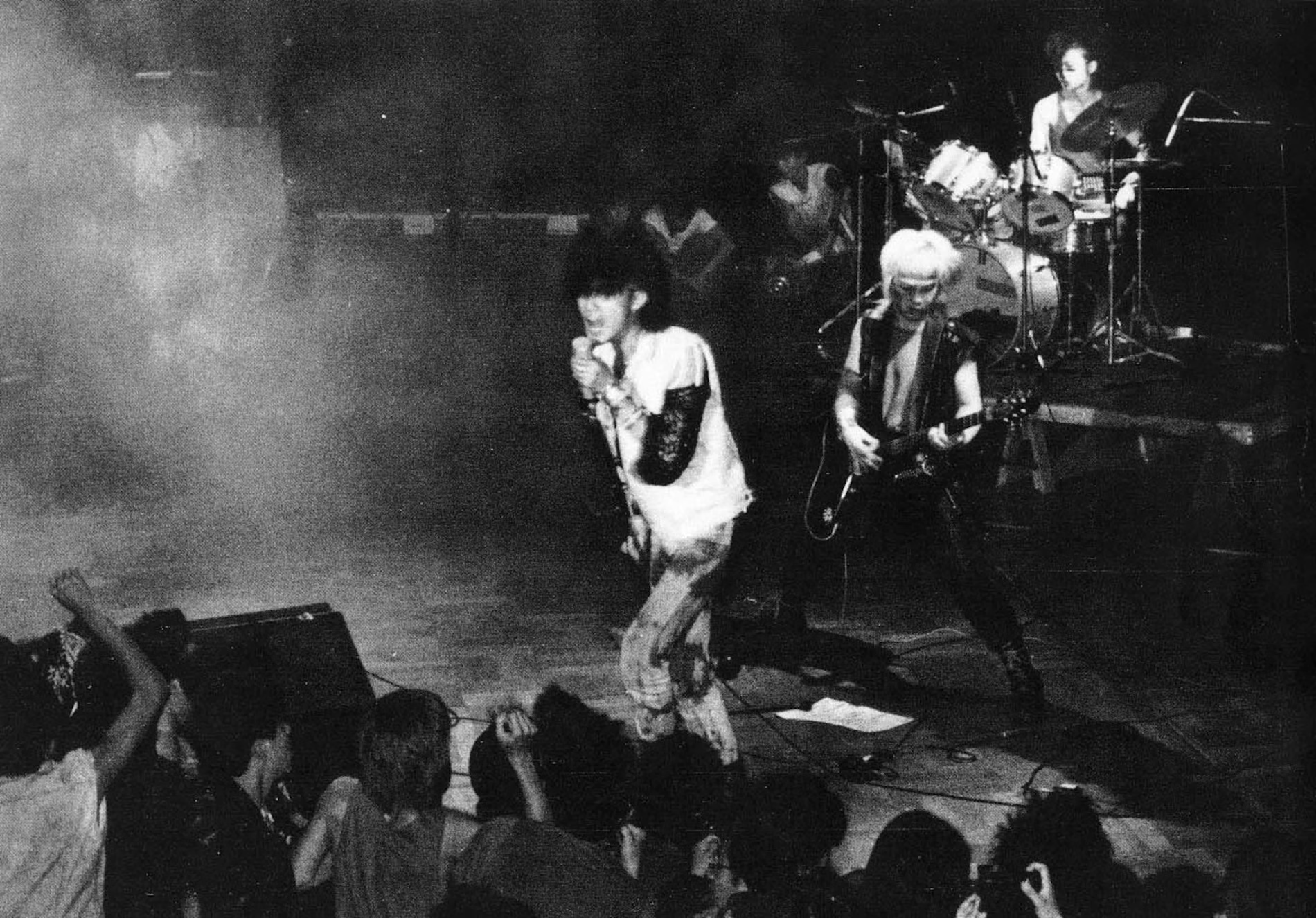
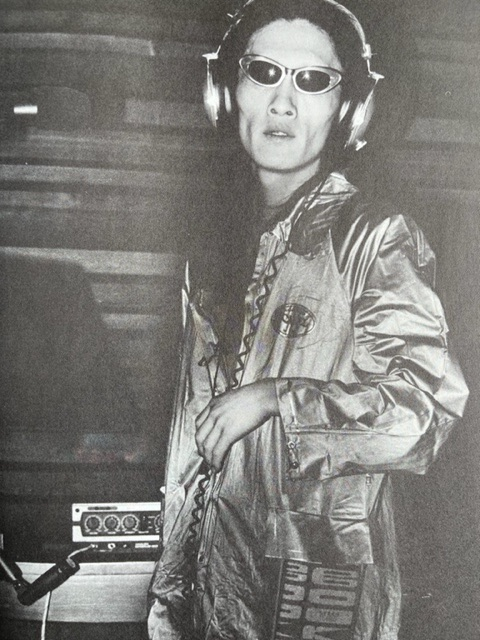
Tokyo's underground rock scene was born out of the economic turbulence of the 1970s — oil crisis, industrial decline, and rapid inflation. Japanese punk borrowed its form from the West, yet arrived somewhere entirely its own: the postwar uniformity of the economic miracle, the Emperor system, and the heavy weight of social conformity. The collision was quieter than London's, but it cut deeper.

© Gin Satoh, 1981

Inquiry