From Allegiance to Inversion
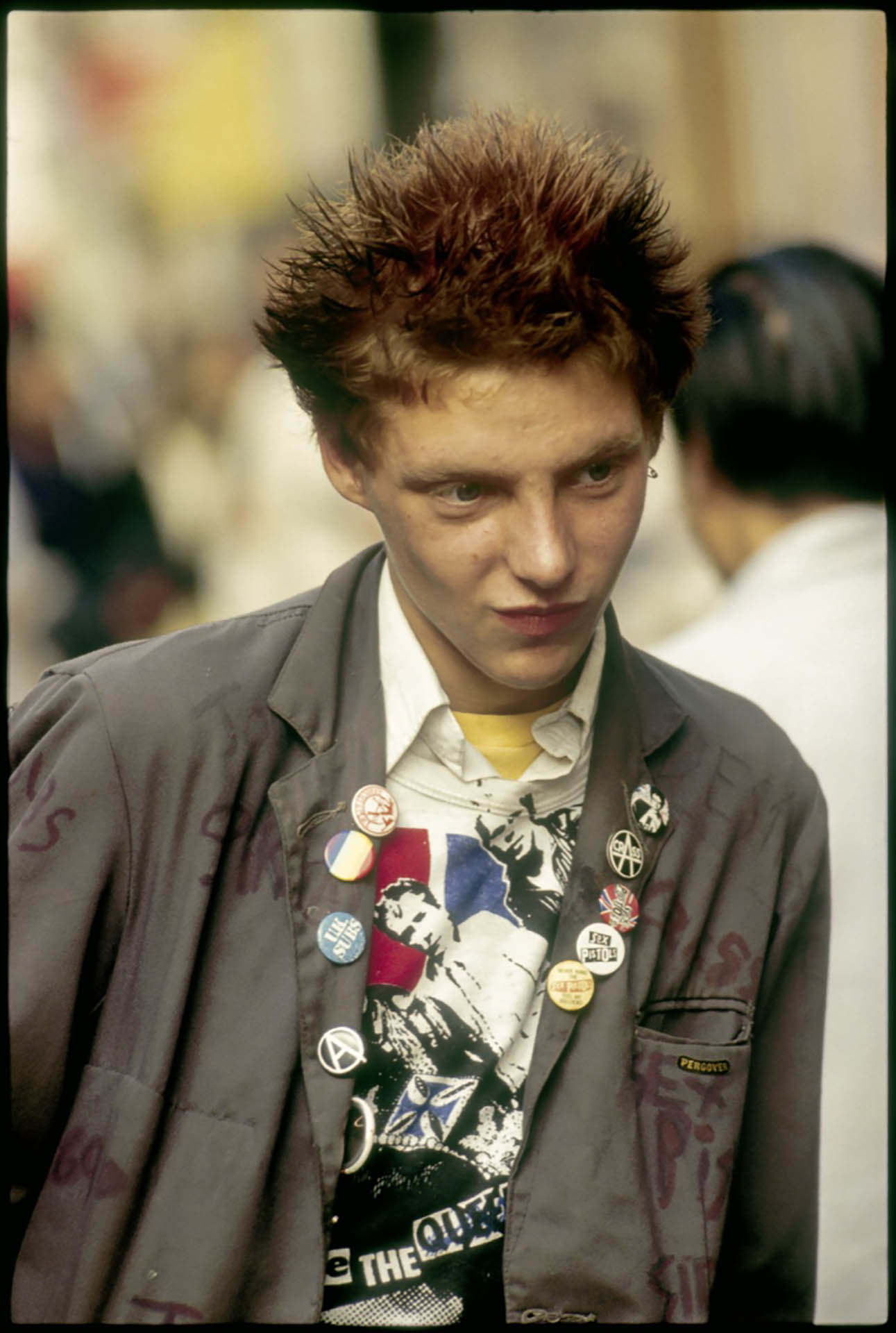
a Young Punk in Distressed Jacket and Punk Button Badges (source: Yan Morvan, from the book "LES ANNÉES DE FER LONDRES 1979-1981")
"The meaning of subculture is, then, always in dispute, and style is the area in which the opposing definitions clash with most dramatic force."
— Dick Hebdige, Subculture: The Meaning of Style (1979)
The Grammar of Origins: Badges of Institutional Allegiance
The apparel language of pinning button badges onto military surplus did not emerge in a vacuum. It is the end point of a visual grammar that took nearly a century to complete its inversion.
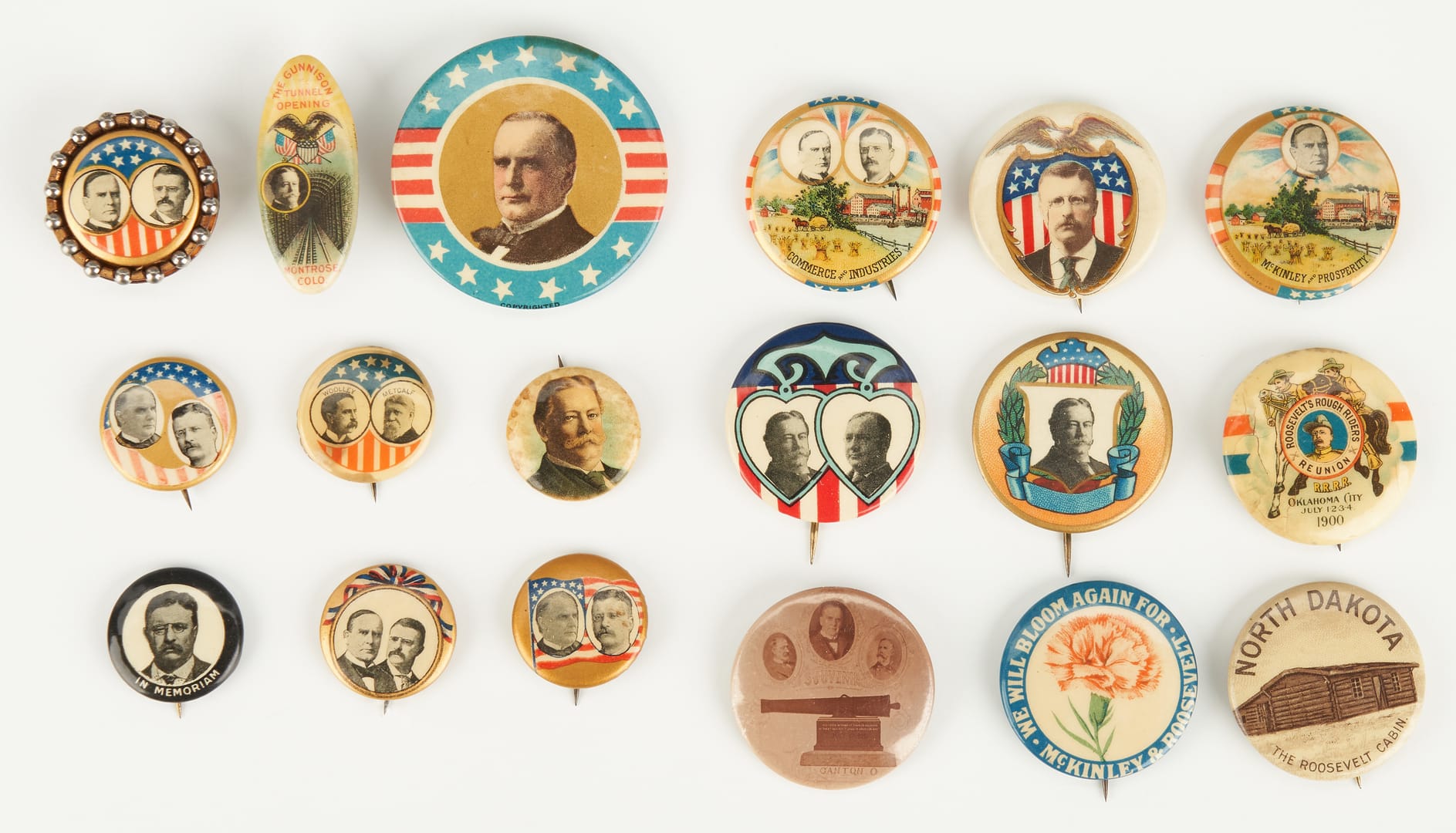
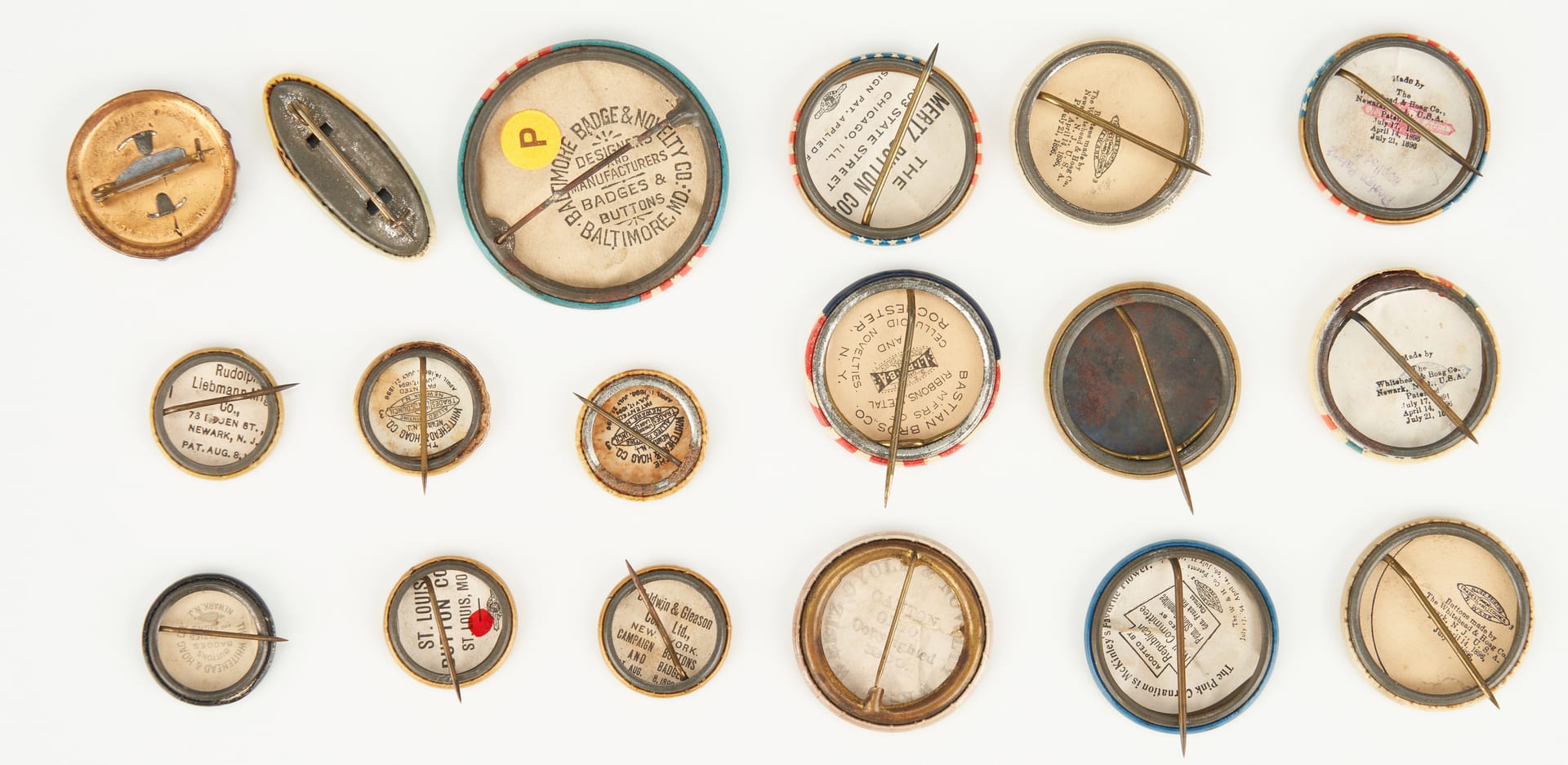
Political Buttons from the McKinley-Bryan Presidential Race (source: Case Auctions)
The celluloid pin-back button was patented in 1896 by Whitehead & Hoag of Newark, New Jersey, just in time for the McKinley-Bryan presidential race—one of the most aggressively merchandised campaigns in American history. Hundreds of different buttons flooded the country that year, each one designed to do the same thing: declare which side of the system you were on. The medium was built for institutional allegiance. You pinned it to your lapel, and the lapel told the world who you belonged to. That logic held for seventy years.
The First Inversion: Veterans and the Uniform of Dissent
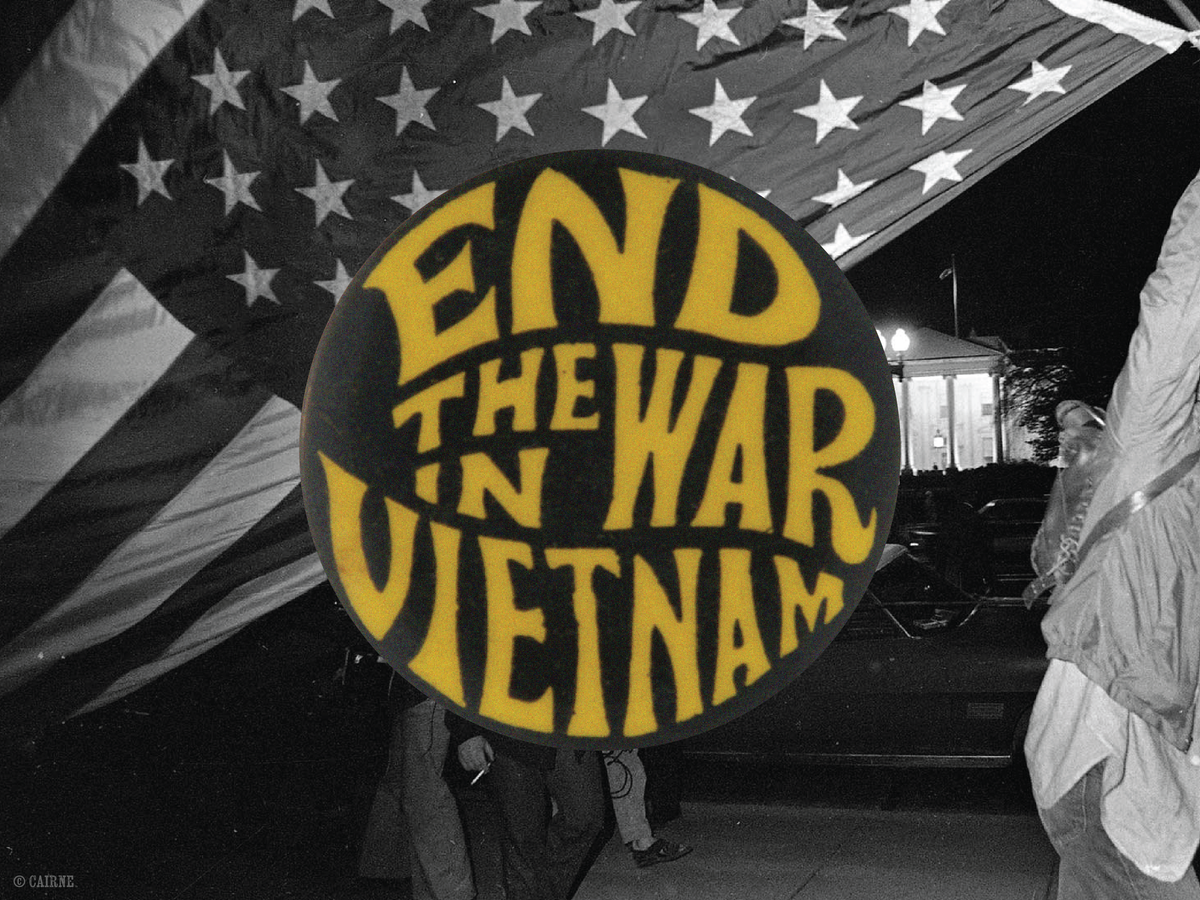
Then, in the early 1960s, that logic began to break. Anti-war protesters took the same object—celluloid, metal back, straight pin—and changed what was printed on the face. Stop the War NOW. Bring Them Home. The medium survived. The allegiance it declared did not.
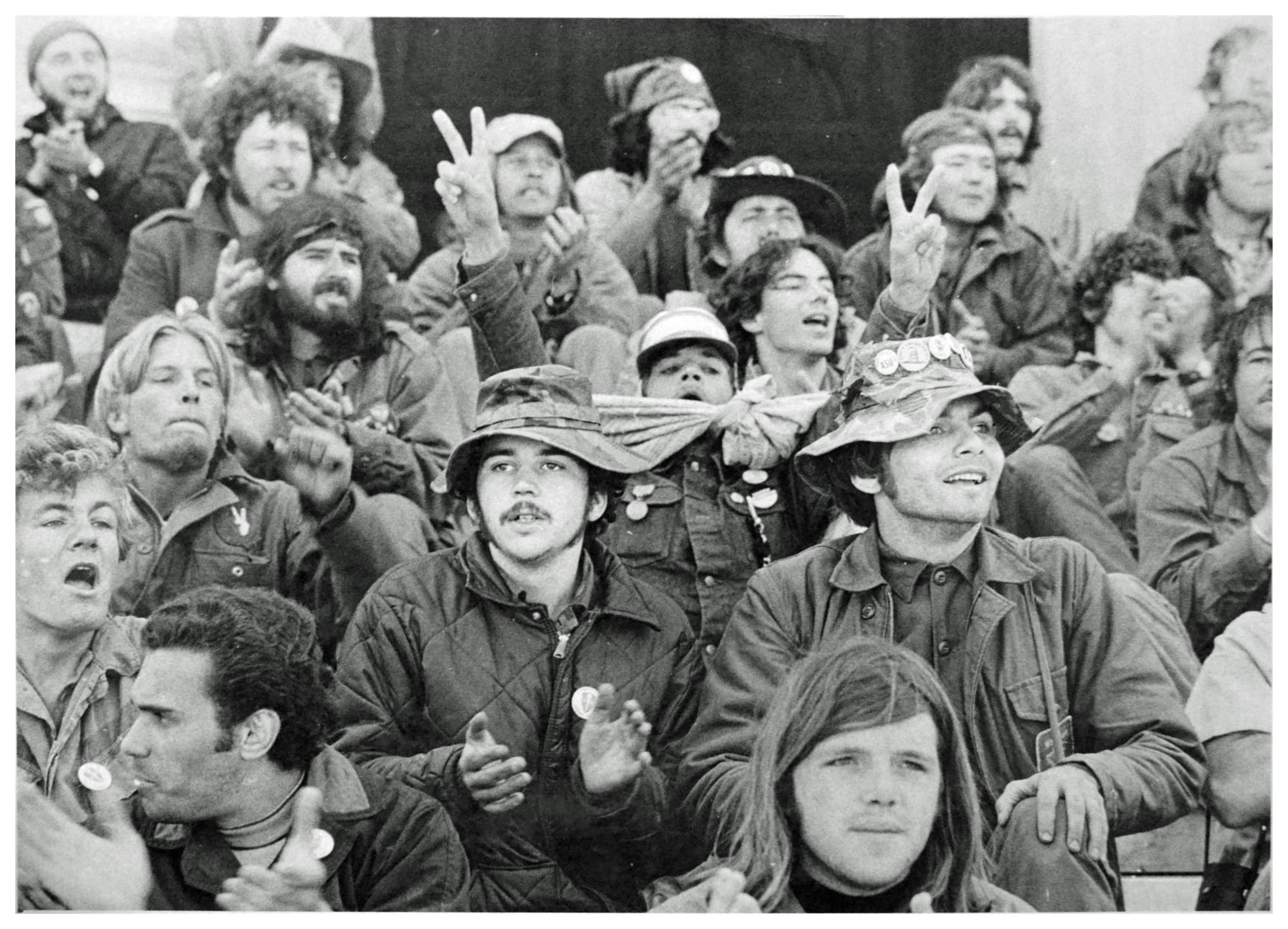
Members of the Vietnam Veterans Against the War (VVAW) Staging a Sit-in on the Steps of the U.S. Supreme Court on April 22, 1971 (photographer: Brig Cabe)
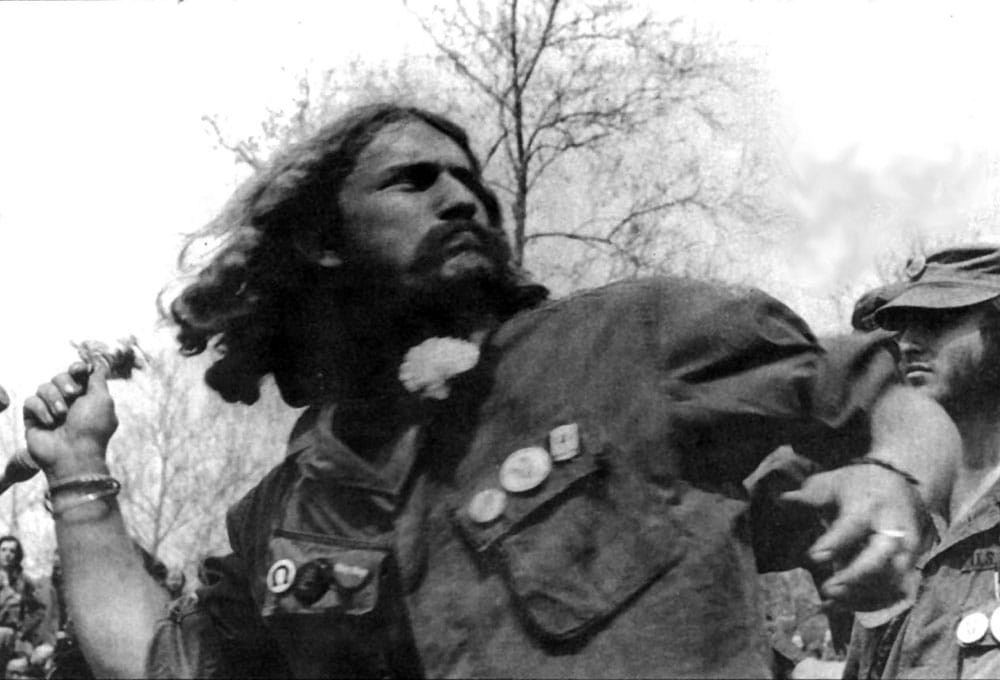
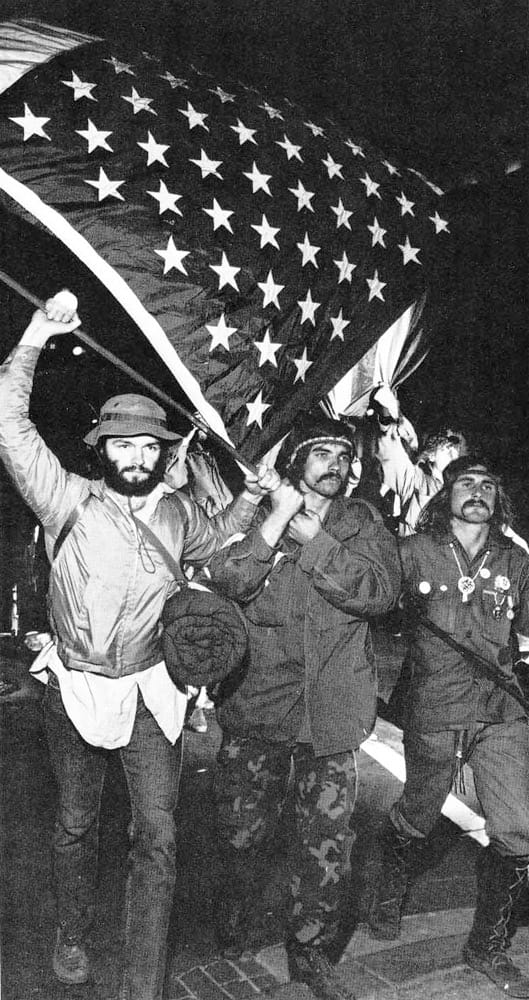
(Left) Vietnam War Veteran Throwing Away His Military Medals in Front of the U.S. Capitol Building, Wearing Military Surplus with Button Badges (photographer: Fred W. McDarrah) (Right) VVAW Protesters in Military Surplus with Button Badges (source: D.C. Public Library Washington Star Collection)
By 1971, VVAW veterans had taken it further. They didn't come back from the front and change clothes. They marched in the fatigues the military had issued them, peace symbols pinned directly onto the same fabric. The uniform of the institution they had returned to oppose became the most visible part of the protest. You couldn't separate the messenger from the message—they were wearing it. This was the inversion: the same object, the same garment, the same pin. Just pointed in a different direction.
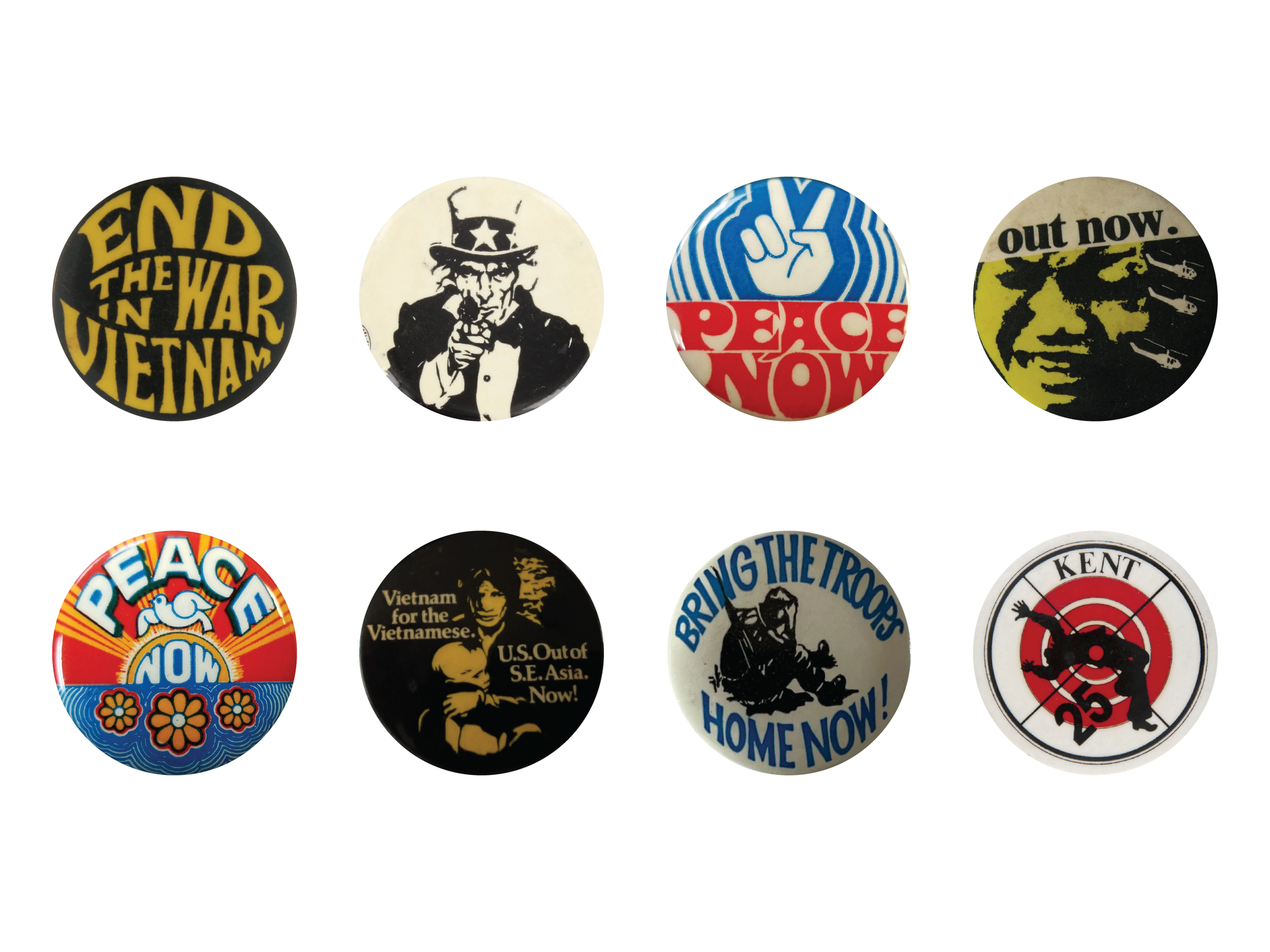
Anti-Vietnam War Protest Button Badges during the 1960s and Early 1970s (source: unknown)
Subcultural Completion: The Aesthetic of Bricolage
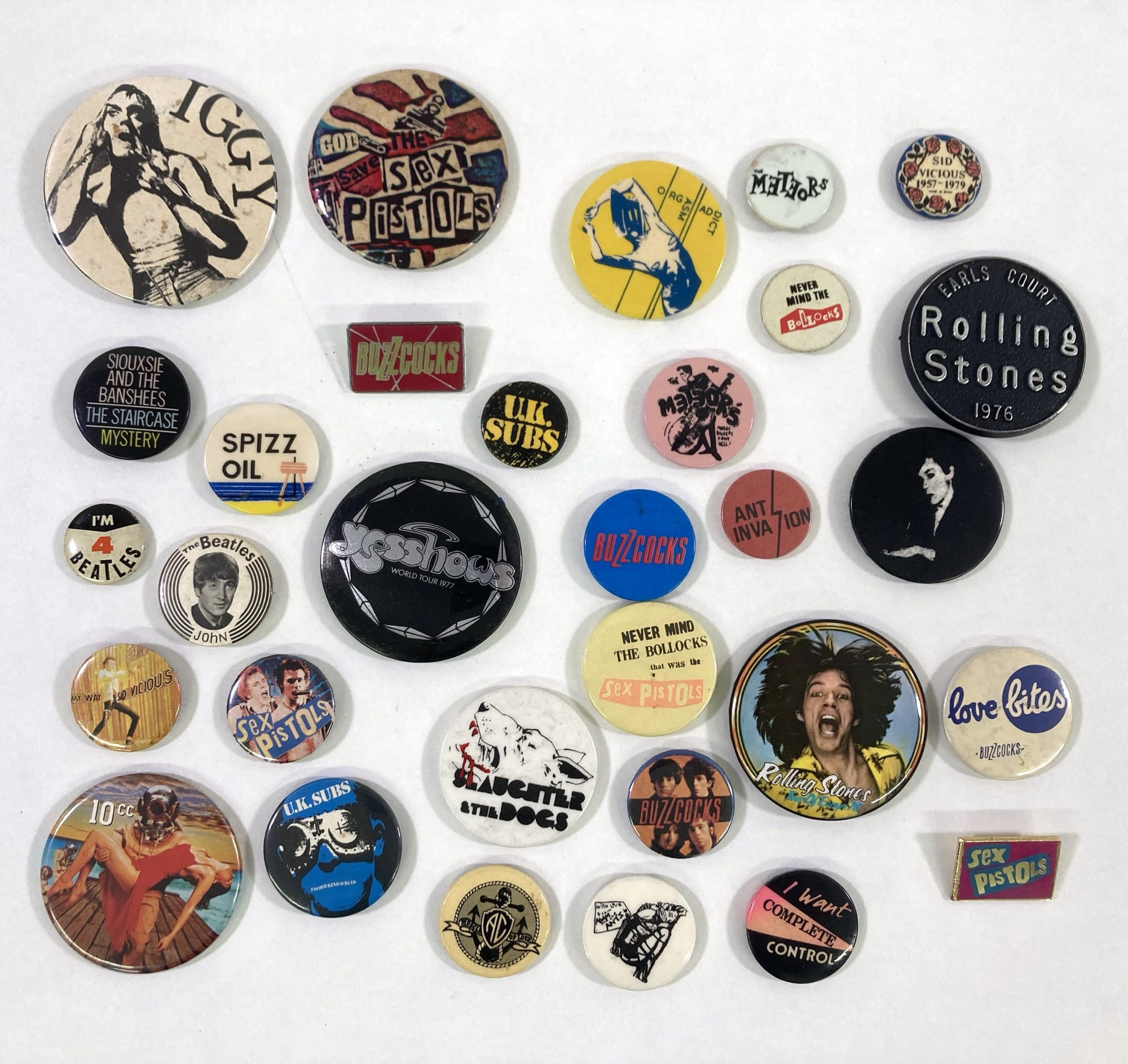
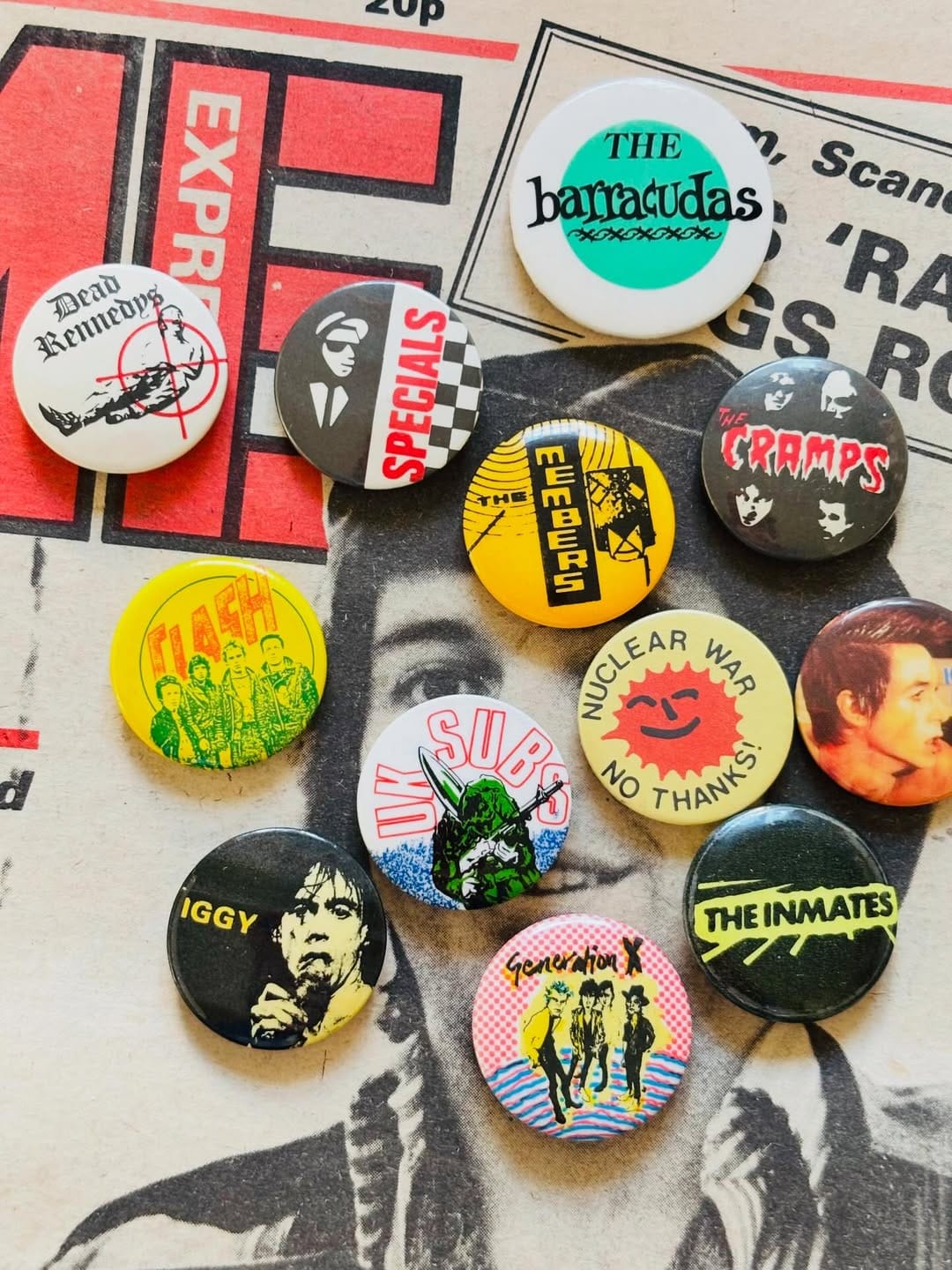
Punk Era Button Badges, Mostly Produced by Better Badges (source: unknown)
The second inversion arrived in Britain in 1976. Better Badges, founded by Joly MacFie that year, started as a stall at a Ramones gig at the Roundhouse in London. By 1977, it had become the primary manufacturer of punk buttons, exporting millions worldwide. The content shifted again—band names, anarchist symbols, political slogans, and deliberate provocations—but the object remained identical: a circle of tin, a printed face, and a straight pin on the back.
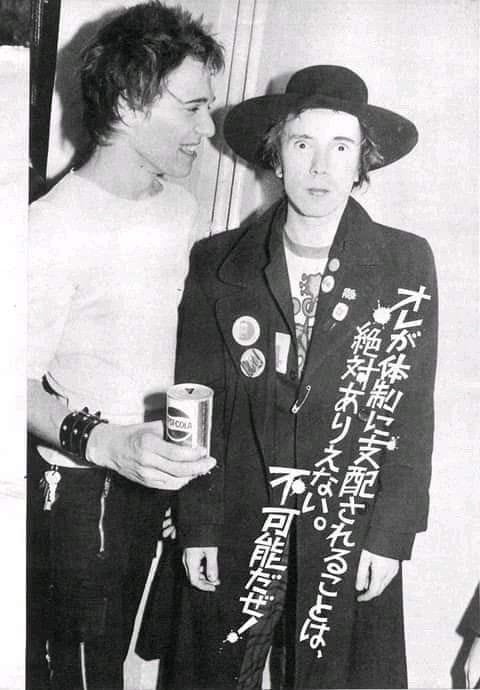
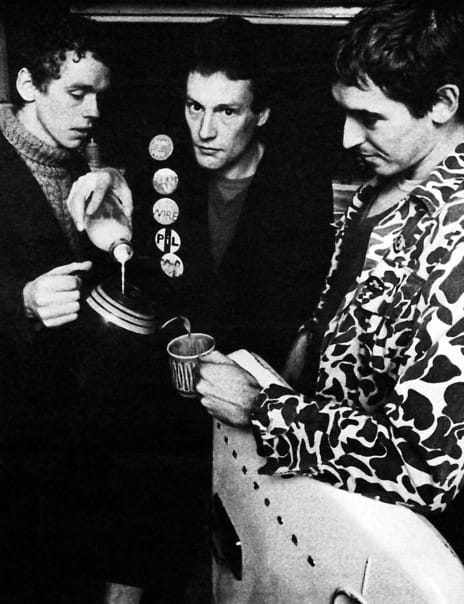
(Left) Paul Simonon, the bassist for the legendary punk rock band The Clash, and Johnny Rotten, the frontman of the Sex Pistols (source: unknown) (Right) Wellington-Based Post-Punk Band The Steroids (source: unknown)
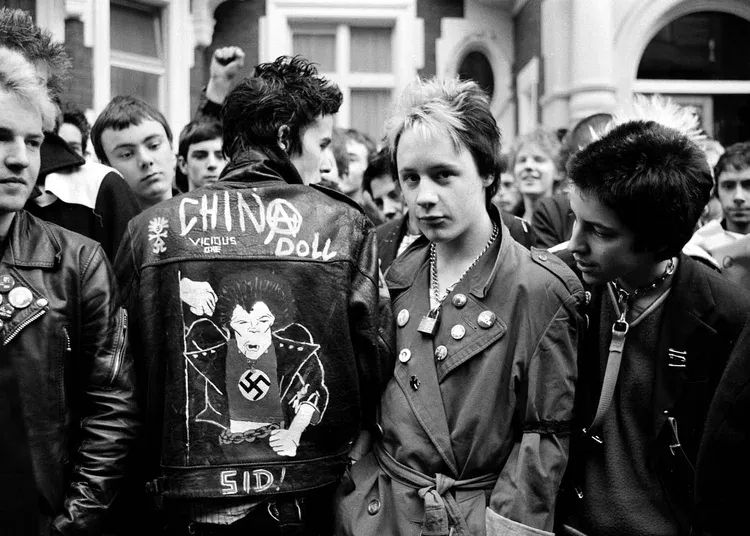
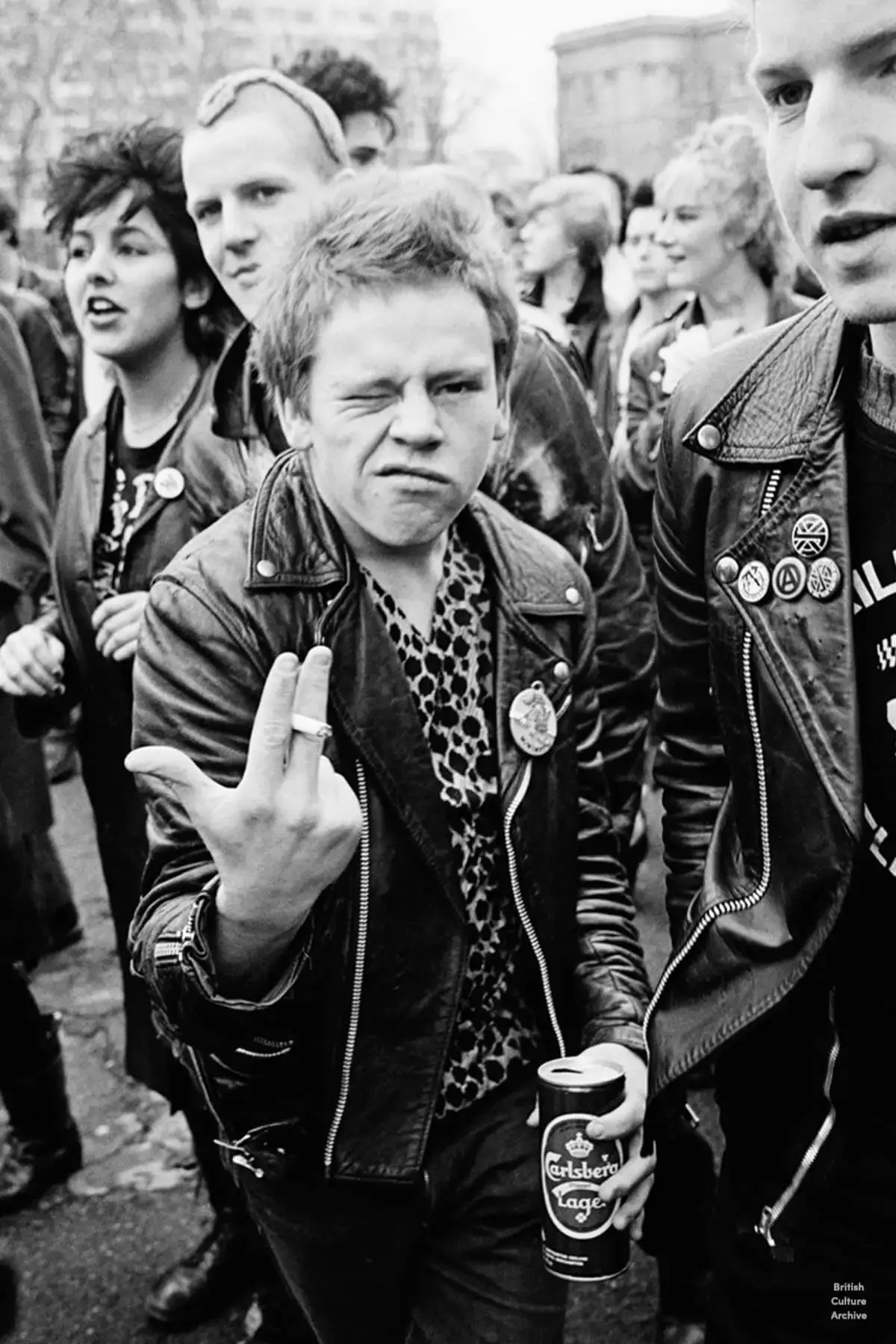
Punk Youth in Customized Leather Jackets and Button Badges (source: (Left) Janette Beckman, (Right) Virginia Turbett)
Punk pinned these onto army surplus jackets, denim, and leather—whatever carried enough surface for a statement.
"By repositioning and recontextualizing commodities, by subverting their conventional uses and inventing new ones, the subcultural stylist gives the lie to what Althusser has called the ‘false obviousness of everyday practice’, and opens up the world of objects to new and covertly oppositional readings." — Dick Hebdige, Subculture: The Meaning of Style (1979)
A military jacket in a dance hall. A peace symbol on a combat coat. This is the essence of bricolage, the framework upon which Hebdige built his entire analysis:
"However, when the bricoleur re-locates the significant object in a different position within that discourse, using the same overall repertoire of signs, or when that object is placed within a different total ensemble, a new discourse is constituted, a different message conveyed."
— Dick Hebdige, Subculture: The Meaning of Style (1979)
A button that once said I belong to this system, now saying I am taking this system apart.
Three moments. One object. The same pin, turned against a different wall each time. What the 1896 campaign managers built as proof of loyalty, the veterans turned into proof of refusal, and punk turned into proof that the refusal itself had become a culture. The medium was never neutral. It just kept finding new things to mean.
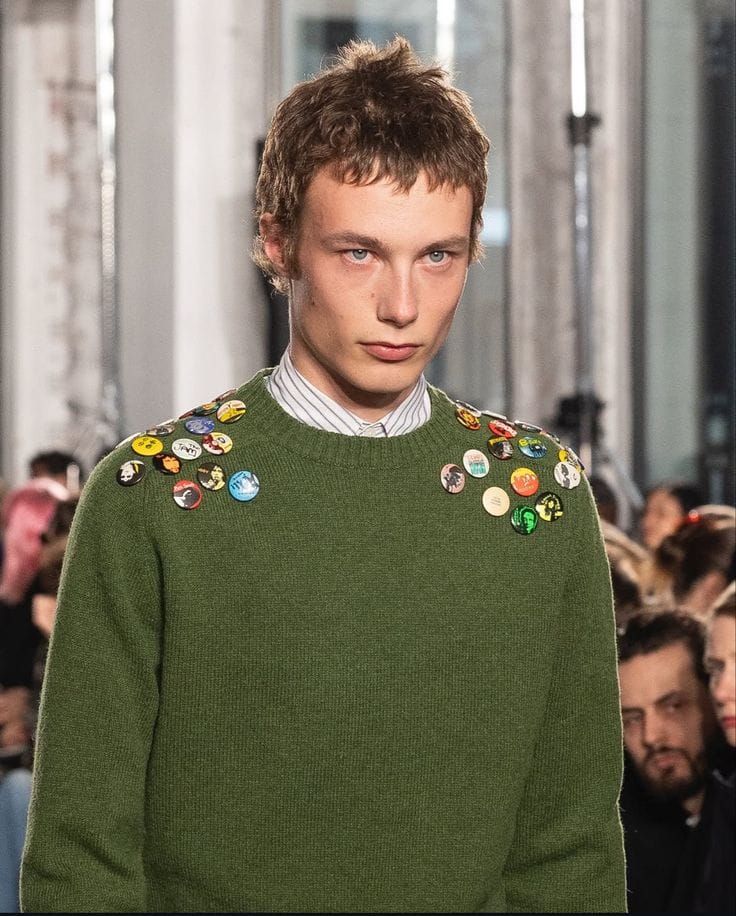
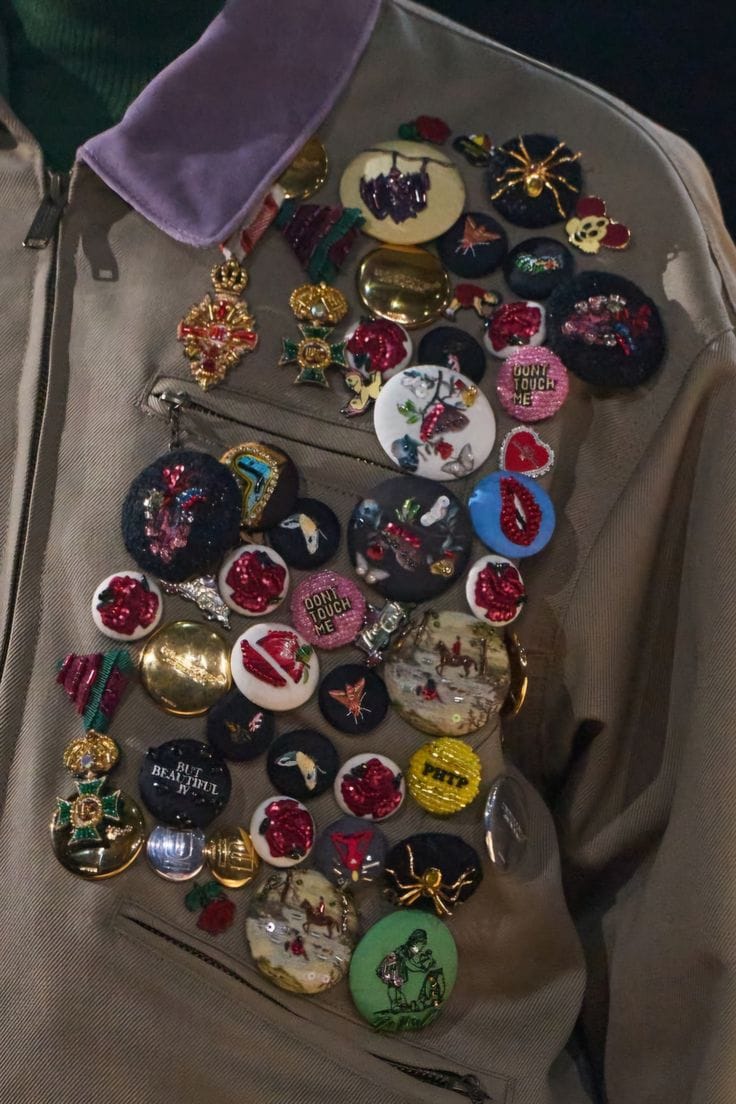
(Left) Fursac Mens Fall 2025 Collection Button Embellished Sweater (source: Fursac) (Right) Undercover Fall 2025 Collection Badge Jacket (source: Undercover)
Inquiry