Out There
FORTY YEARS. ONLY TWENTY FINISHERS.
This is about the notorious Barkley Marathon.
The Origin
The idea came from a prison escape that went badly wrong. In 1977, James Earl Ray — convicted assassin of Martin Luther King Jr. — broke out of Brushy Mountain State Penitentiary in Tennessee alongside six other inmates. The terrain surrounding the prison is some of the most unforgiving in the American Southeast: dense, unmarked, and merciless. After 54 hours on the run, Ray had covered just 8 miles before being found face down in the undergrowth, defeated by the elements.
A local long-distance runner named Gary Cantrell heard about it and was unimpressed. He thought he could cover at least 100 miles in the same amount of time. That thought became the Barkley Marathons. He co-created it with his longtime hiking partner Karl "Raw Dog" Henn. The first race was held in 1986. Since then, the course has been completed only 26 times by 20 runners.
The Man Behind It
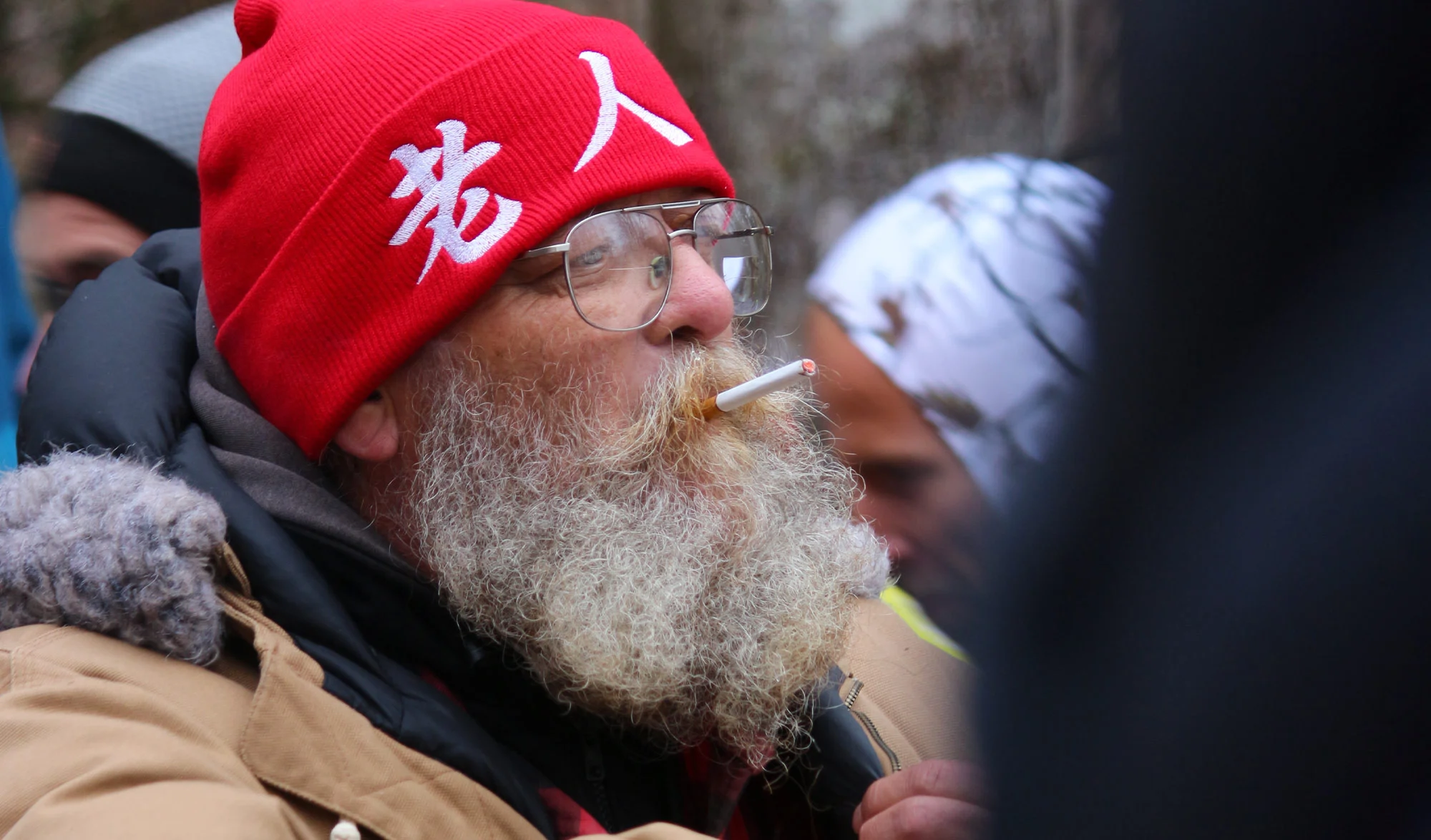
Lazarus Lake Lights His Iconic Starting Cigarette (source:unknown)
Gary Cantrell goes by Lazarus Lake — Laz. The name came from someone who accidentally emailed him. After adopting it, he was running through a small town and found the name in a phone book. Research revealed a real Lazarus Lake — a farmer born in 1922 in Bolivar, Tennessee, who died in 2009 at age 87.
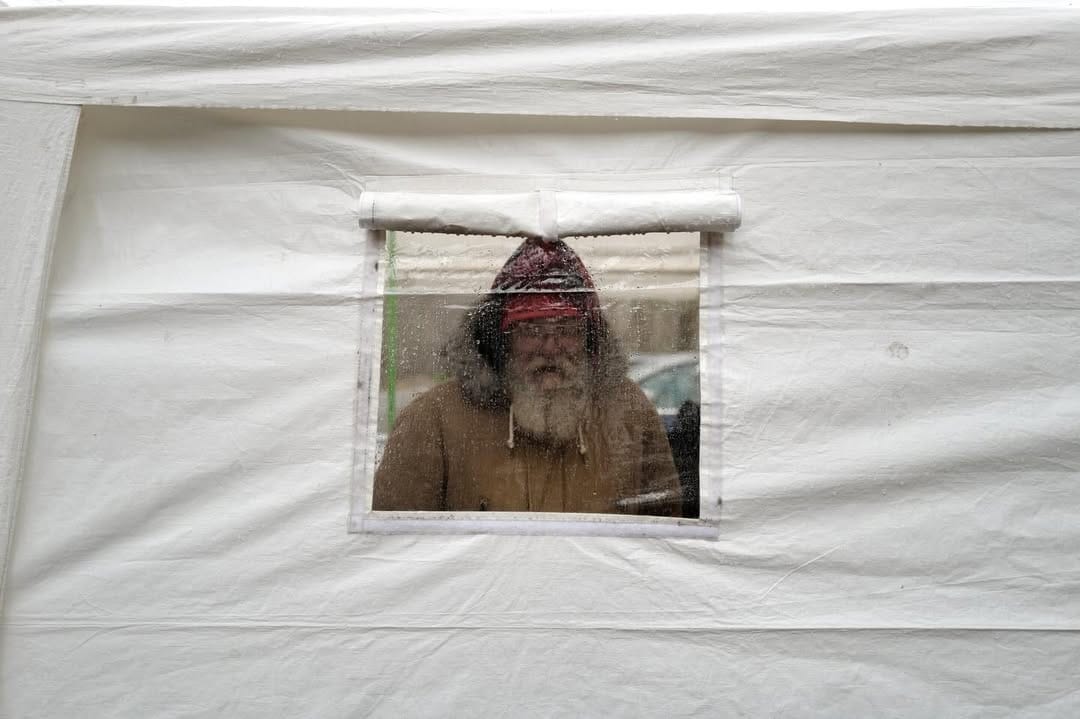
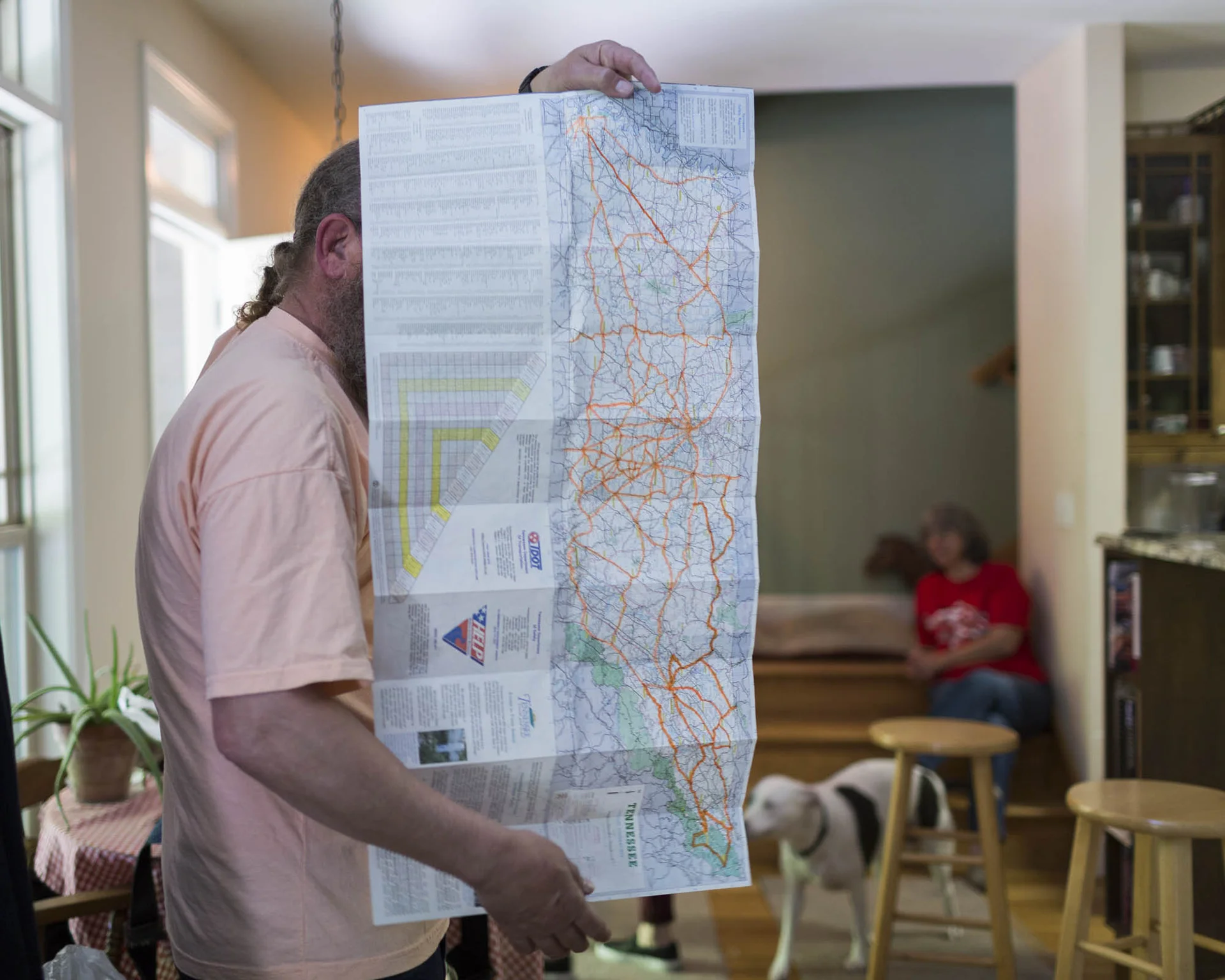
Laz doesn't design races for people to finish. He designs them so people can find out what they're made of. "Your job as a race director is to provide a platform for runners to find greatness in themselves. If they do that, they walk off feeling like winners." Beyond the Barkley, he has created some of the most punishing endurance events in existence — Big Dog's Backyard Ultra, Vol State 500K, and the Strolling Jim 40, among others.
The Rules — What Little There Are
The entry process is purposefully difficult. Requirements and times to submit an application are a closely guarded secret with no details advertised publicly. Potential entrants must send an email to the correct address at the correct time, and pay a $1.60 application fee — one penny per mile. Accepted runners receive a letter of condolence.
"I am sorry to inform you that your name has been selected for the Barkley Marathon."
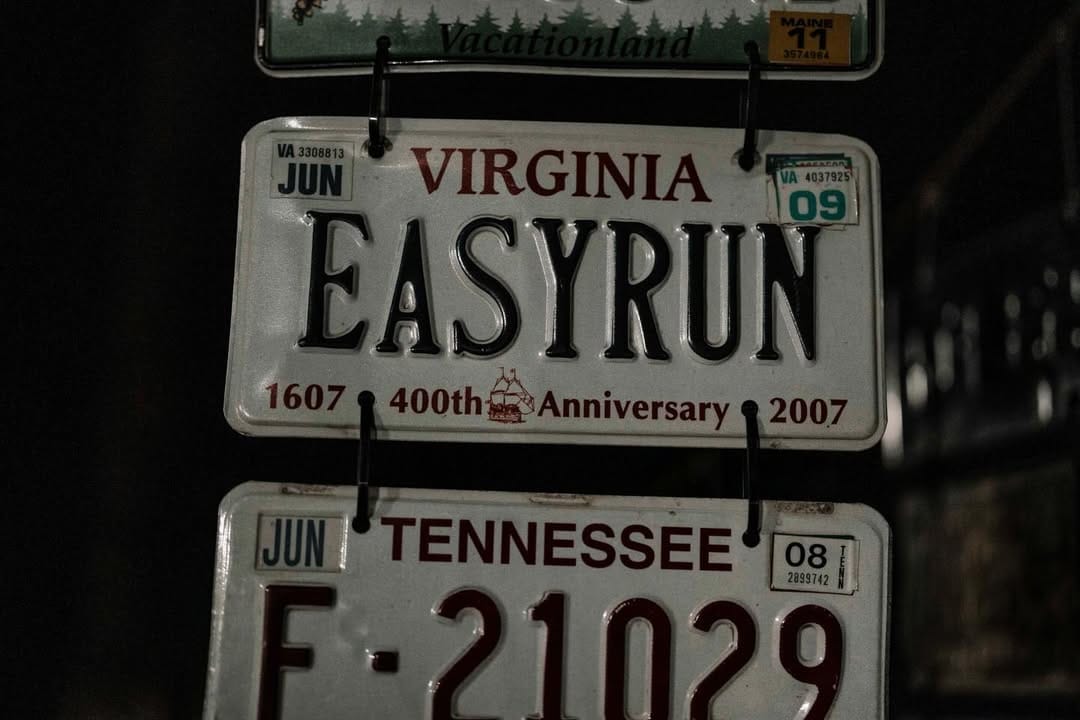
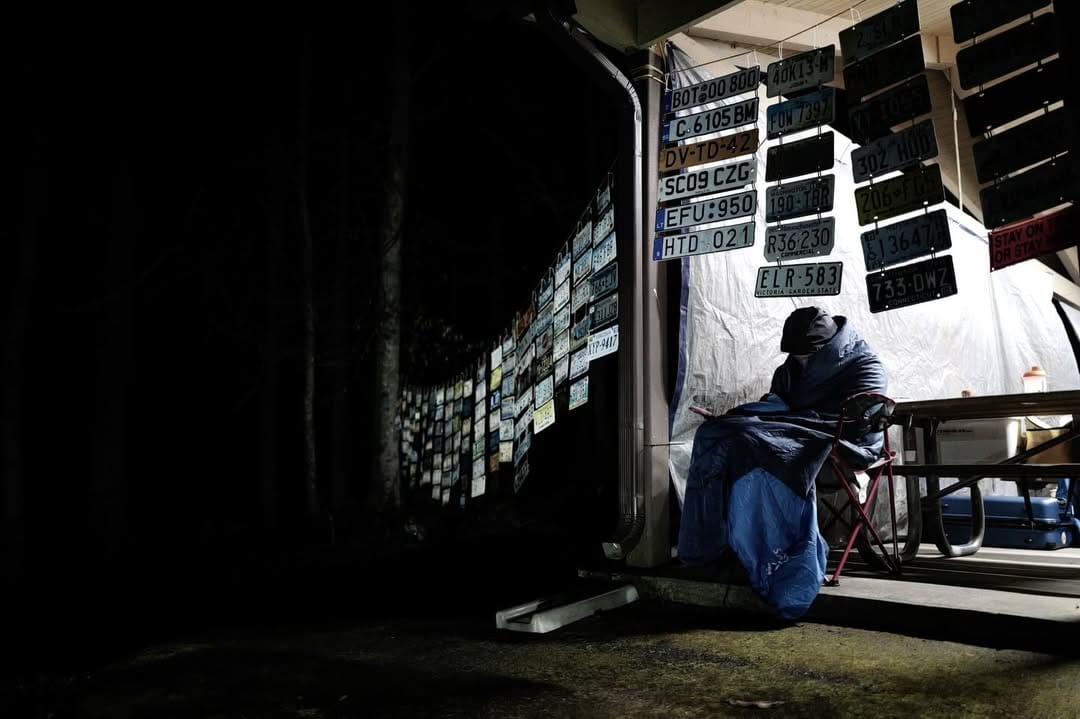
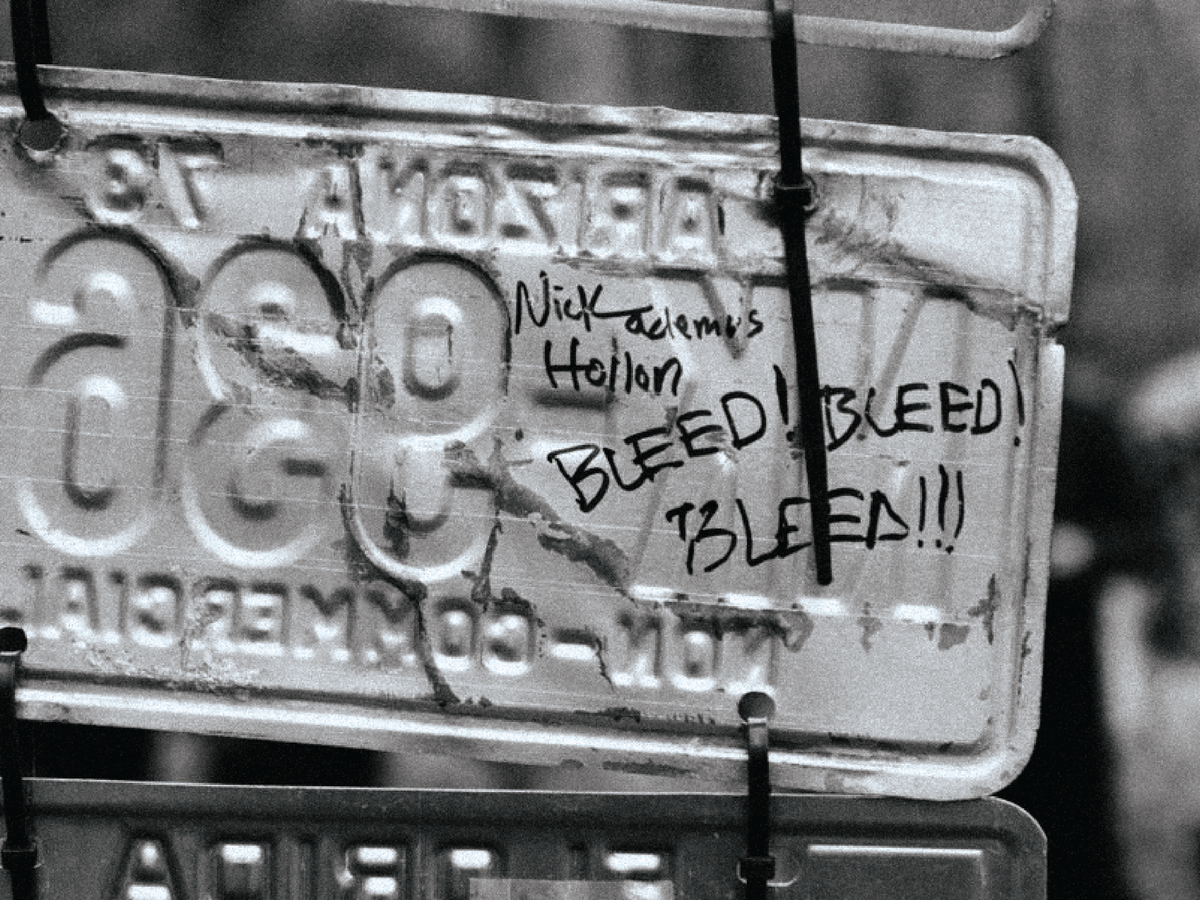
Barkley Marathon's Unique Tradition - License Plates (source: Left - Jacob Zocherman, Right - David Miller)
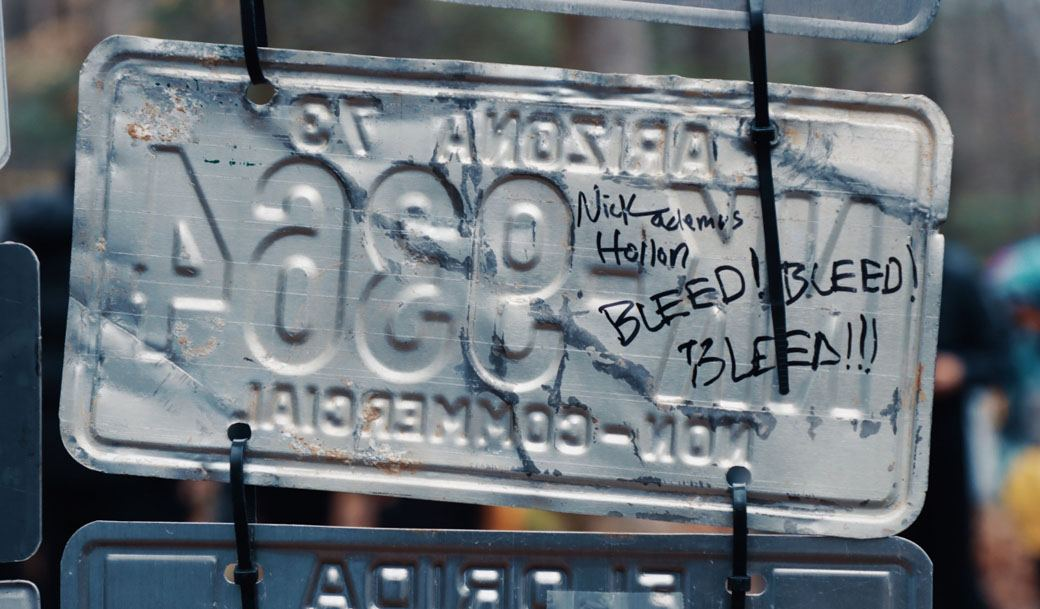
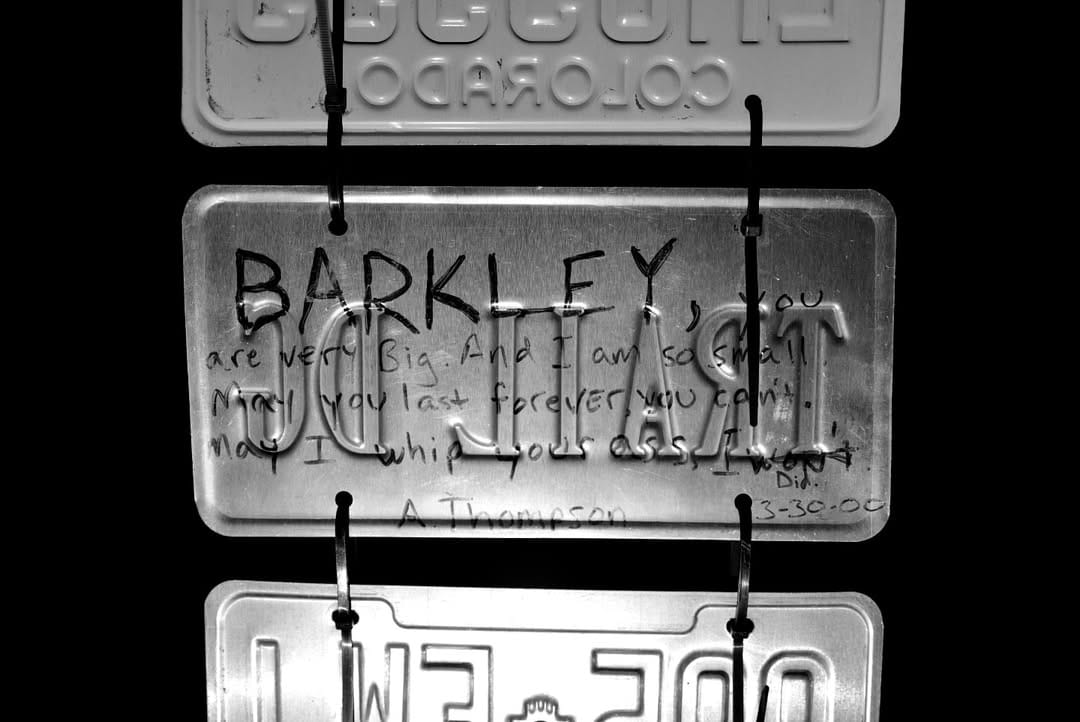
Sometimes Runners Leave Unique Poets and Annotations on the Plates (source: Left - unknown, Right - David Miller)
First-time runners, known as virgins, must bring a license plate from their home state or country. Veterans — those who have failed before — bring an item specified by Laz each year: socks, a flannel shirt, a white tee. Finishers, called alumni, bring a pack of Camel Filter cigarettes. The race starts at an unknown hour between midnight and noon. A conch shell signals one hour to go. The race begins when Laz lights a cigarette.
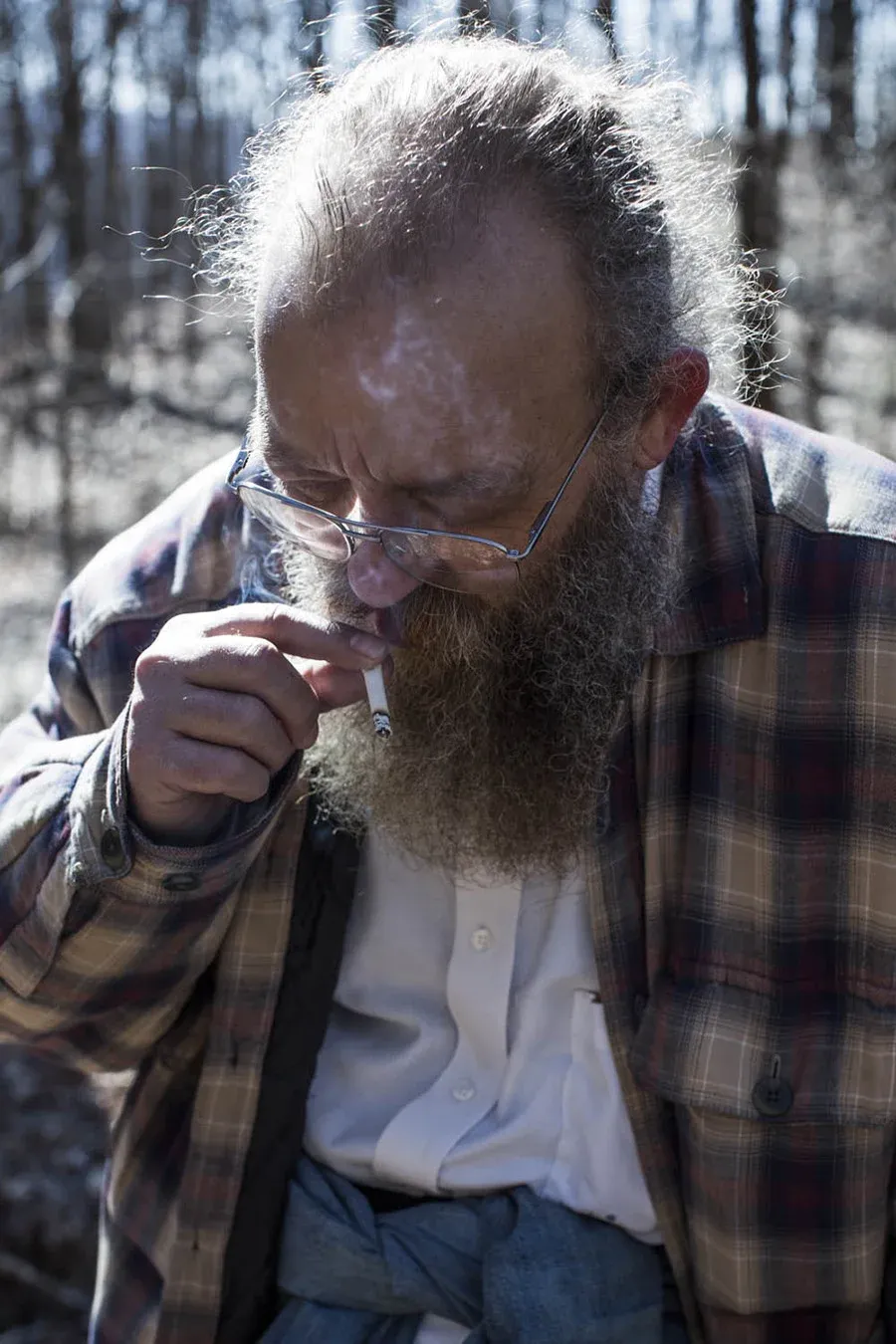
Lazarus Lake Lights His Iconic Starting Cigarette (source: Writing by Sara Estes, Photographs by Tamara Reynolds)
The Course
Officially, each loop is 20 miles. Most runners estimate the real distance at 26 to 28 miles per loop, putting the total closer to 130 miles over five loops. Elevation gain exceeds 60,000 feet — roughly twice the height of Mount Everest from sea level. Each loop contains nearly 12,000 feet of climb and an equal descent, for a total of 120,000 feet of elevation change.
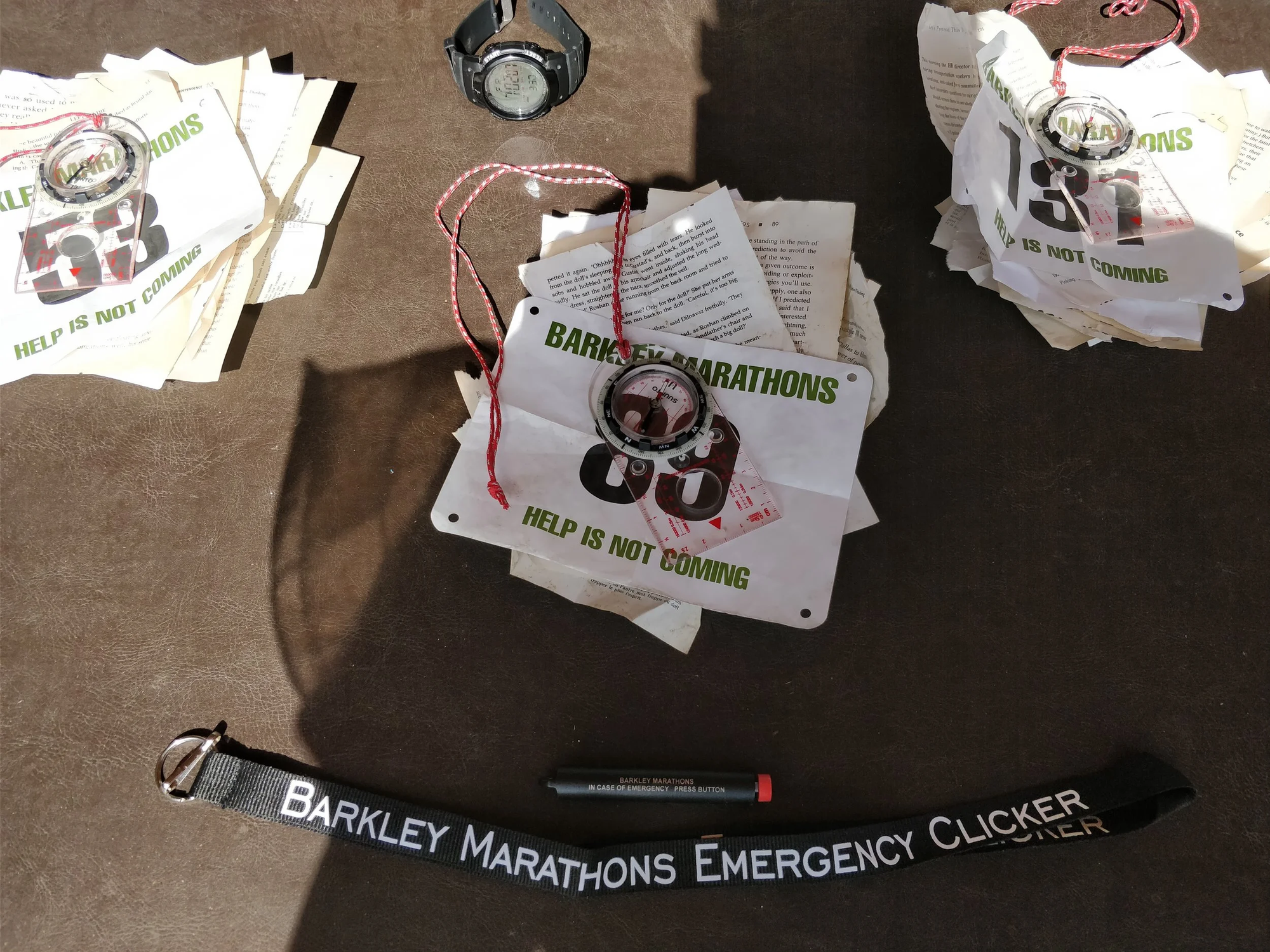
Barkley Marathon Tradition; Torn Pages, Compasses, and Bibs (source: Gary Robbins Race Report)
The course is entirely unmarked. Runners navigate with only a compass and a topographical map, handed out the night before the start. GPS is not permitted. Instead of aid stations, Laz and Raw Dog hide paperback books throughout the course. Runners tear out the page that corresponds to their bib number as proof they reached each checkpoint. The titles are chosen for dark humor — one year, every book was a porno. Three loops earns you "fun run" status. Five loops within 60 hours is a finish.
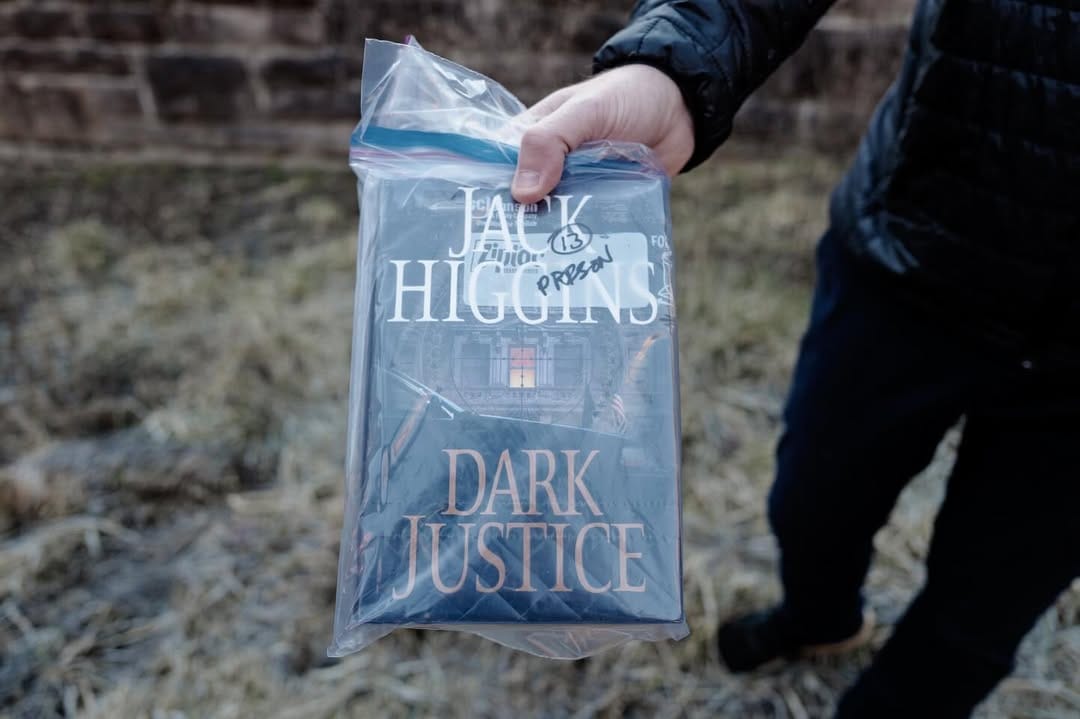
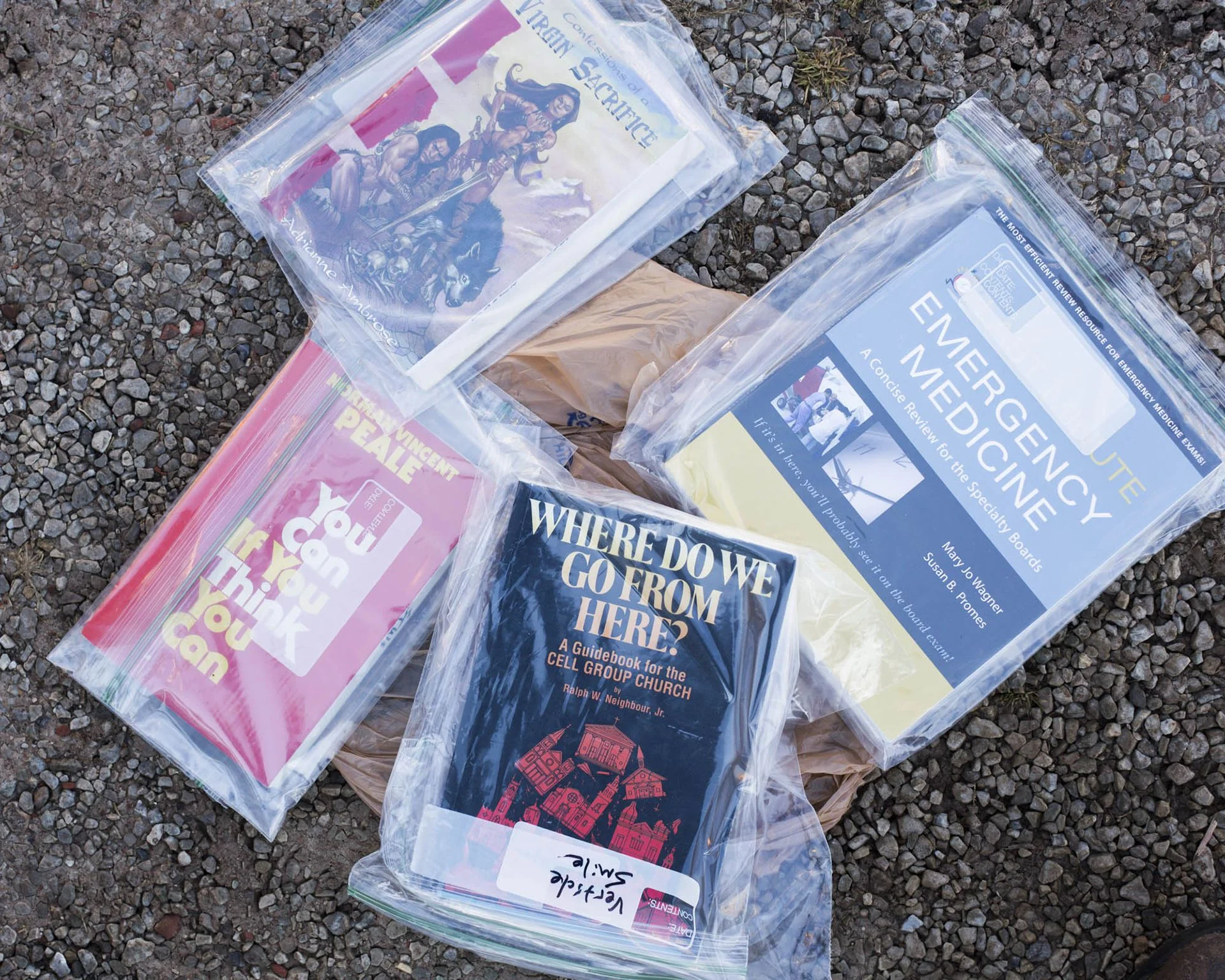
Barkley Marathon Tradition; Check Point Books (source: Left - David Miller, Right - Tamara Reynolds)
The Traditions
Every Barkley has its rituals. One bib number — always number one — is assigned to a runner Laz has privately decided has no chance. He calls this the "human sacrifice." He states he only picks runners who do not want the designation, and that they are always accomplished athletes. When a runner quits, a bugle is blown at camp. The license plates brought by virgin runners since 1986 are hung on trees at the campsite each year — a growing map of global origins, each plate a relic of someone who once arrived at Frozen Head State Park full of hope.
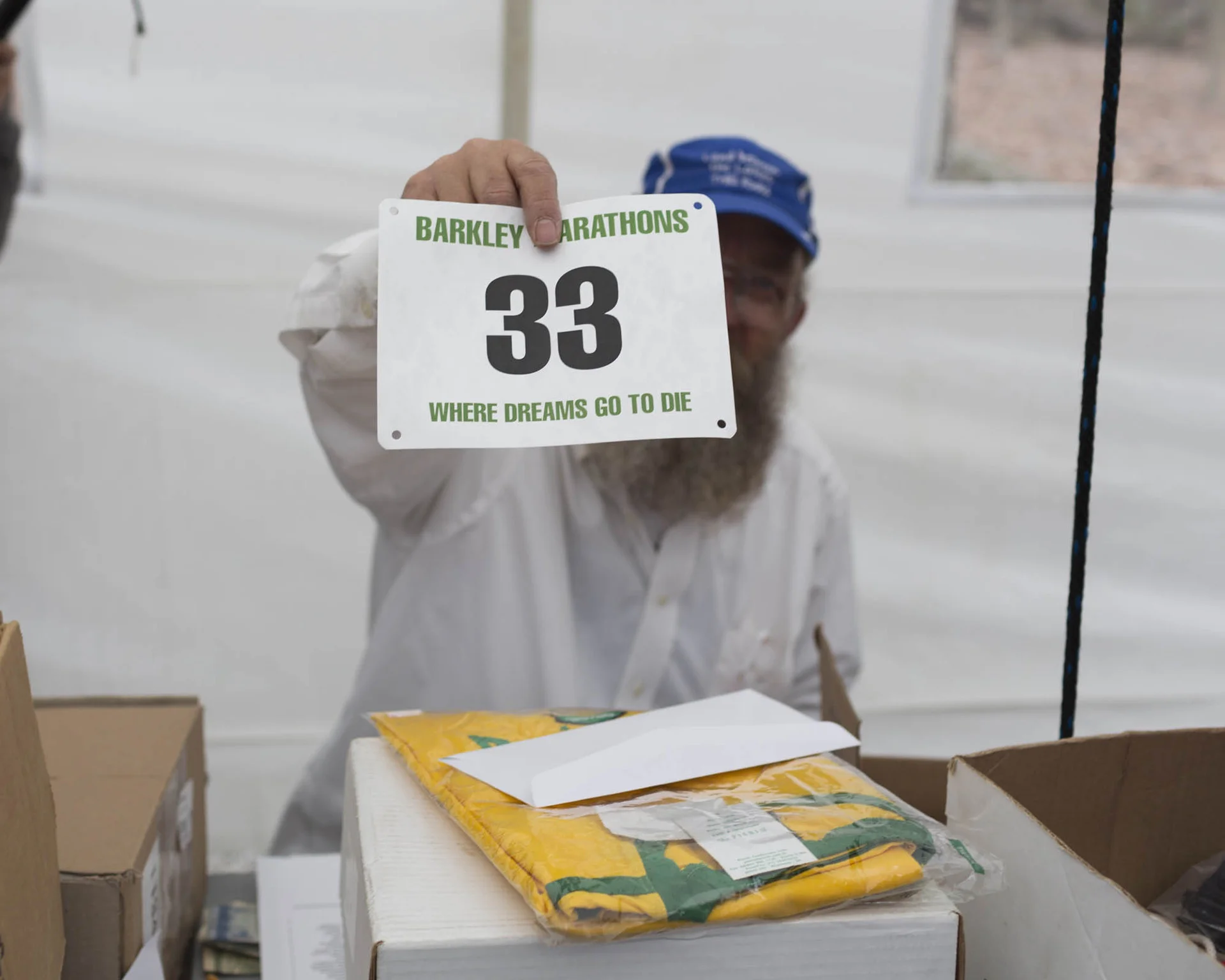
"Barkley Marathon Where Dreams Go To Die" Bib (source: Writing by Sara Estes, Photographs by Tamara Reynolds)
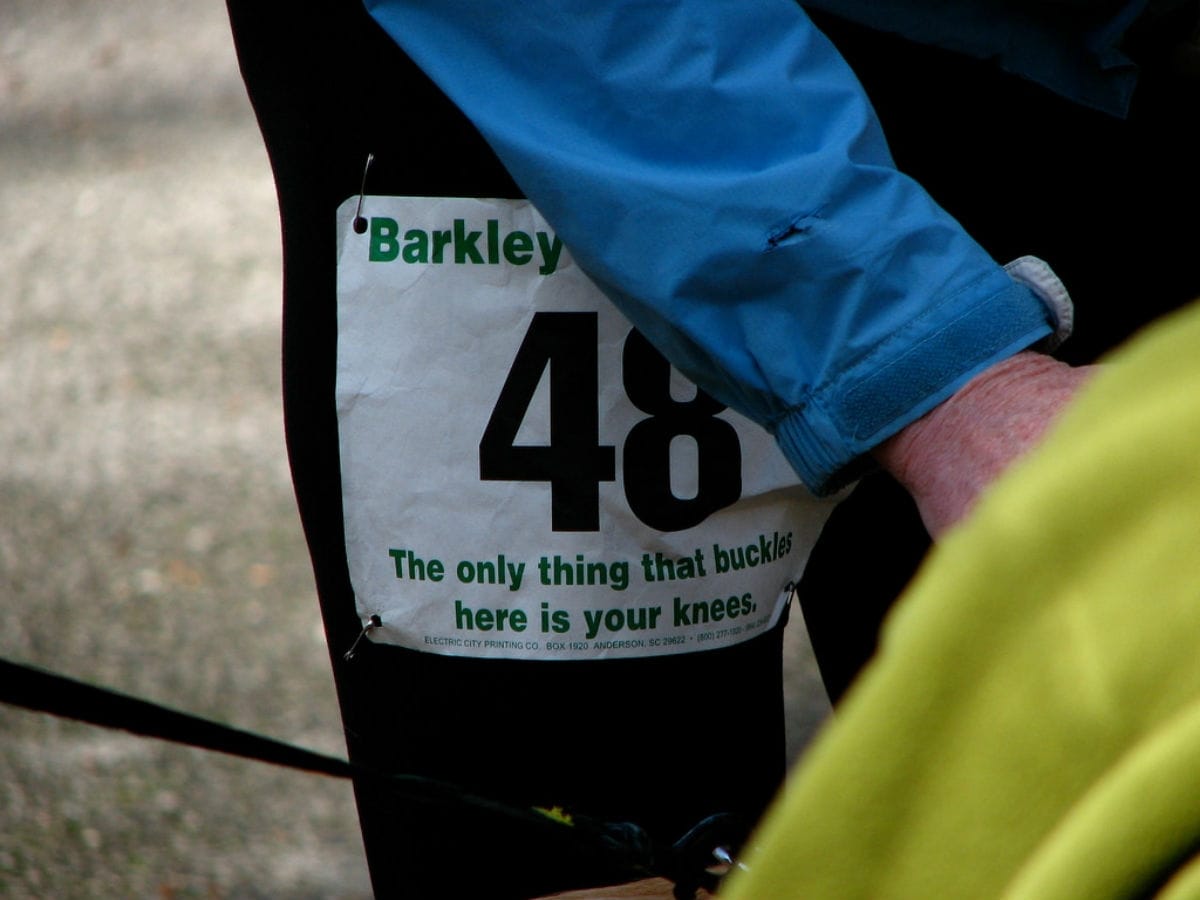
In my conversations with runners, this is what I learned about the Barkley experience. It taxes every aspect of their humanity. It touches their sense of teamwork, sense of humor, their compassion, and their ability to recover from deficits big and small. It’s far more than a physical challenge. They’re deciding about navigation continually; they have to know where they are at all times. When the runners arrive in Frozen Head, none of them know what’s out there. They can’t. There are things there that you won’t find anywhere else. Every part of them is required, without error — and if they make an error, it’s compounded quickly. Most trails and ultra-marathons have aid stations, cut-off times, and trail markers, so that if you train properly, you can do it. But not the Barkley. No amount of training can prepare the runners for it. – From the Article by Sara Estes (source: The Bitter Southerner)
What It Means
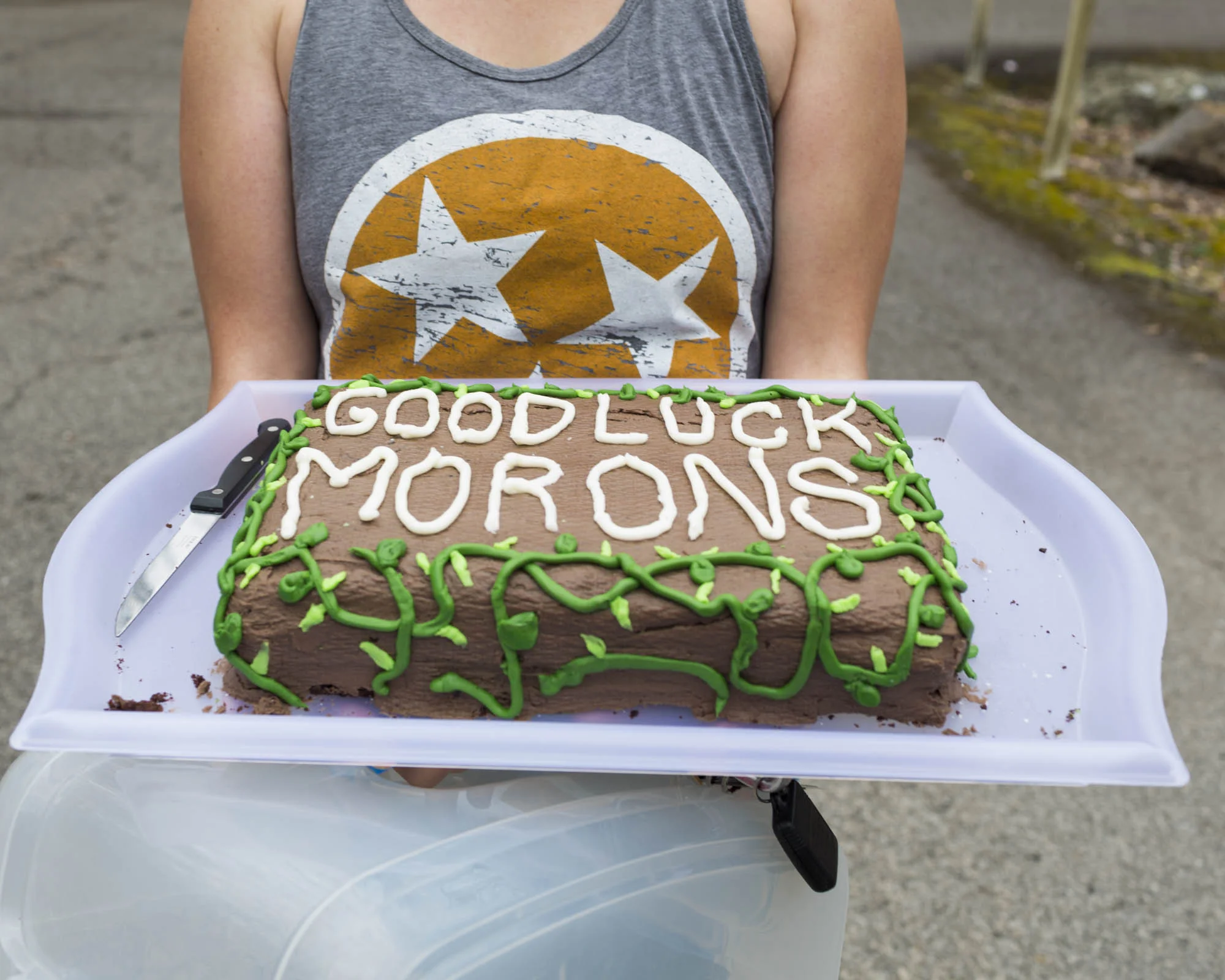
The Barkley operates entirely outside the commercial running world. No prize money, no sponsors, no course markers, no finish line arch. Since 1986 it has risen from a casual underground affair to a cult obsession. Few even figure out how to enter. Fewer still come close to finishing.
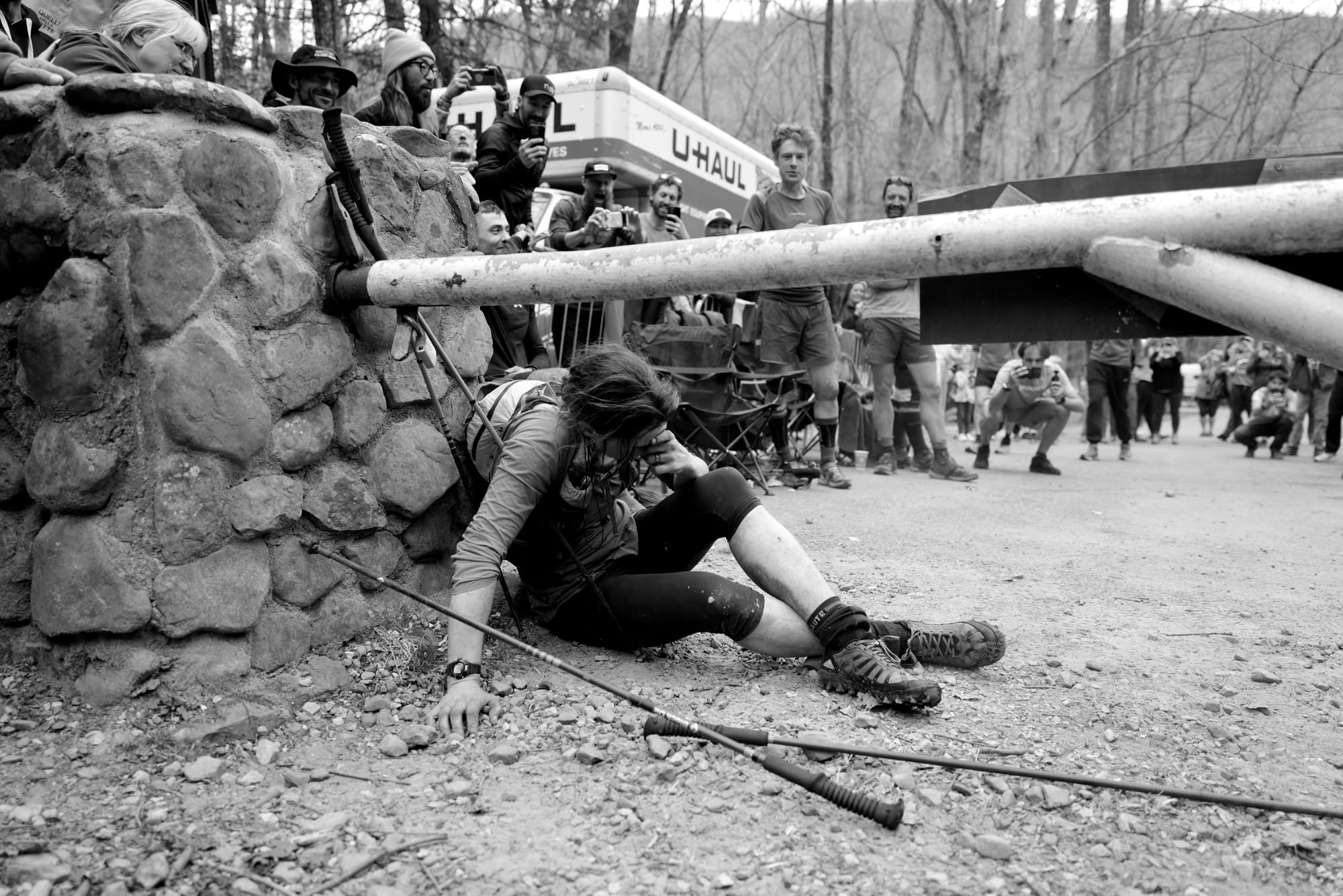
2024 Barkley Marathon Finisher, Jasmin Paris, Also the First Woman Finisher in 40 Years (source: David Miller)
In 2024, a record five runners finished — bringing the all-time total to 20 finishers across the race's entire history. Among them was Jasmin Paris, the first woman ever to complete the course, who crossed the finish line with 99 seconds to spare. In 2026, the course hit back. There were no finishers. The Barkley won.
Laz has said that the point was never really about finishing. It was about the moment, somewhere out in the dark, when a runner is alone, exhausted, and has to decide whether to keep going. That decision — made without an audience, without a reward, without any guarantee — is what the Barkley was built for.
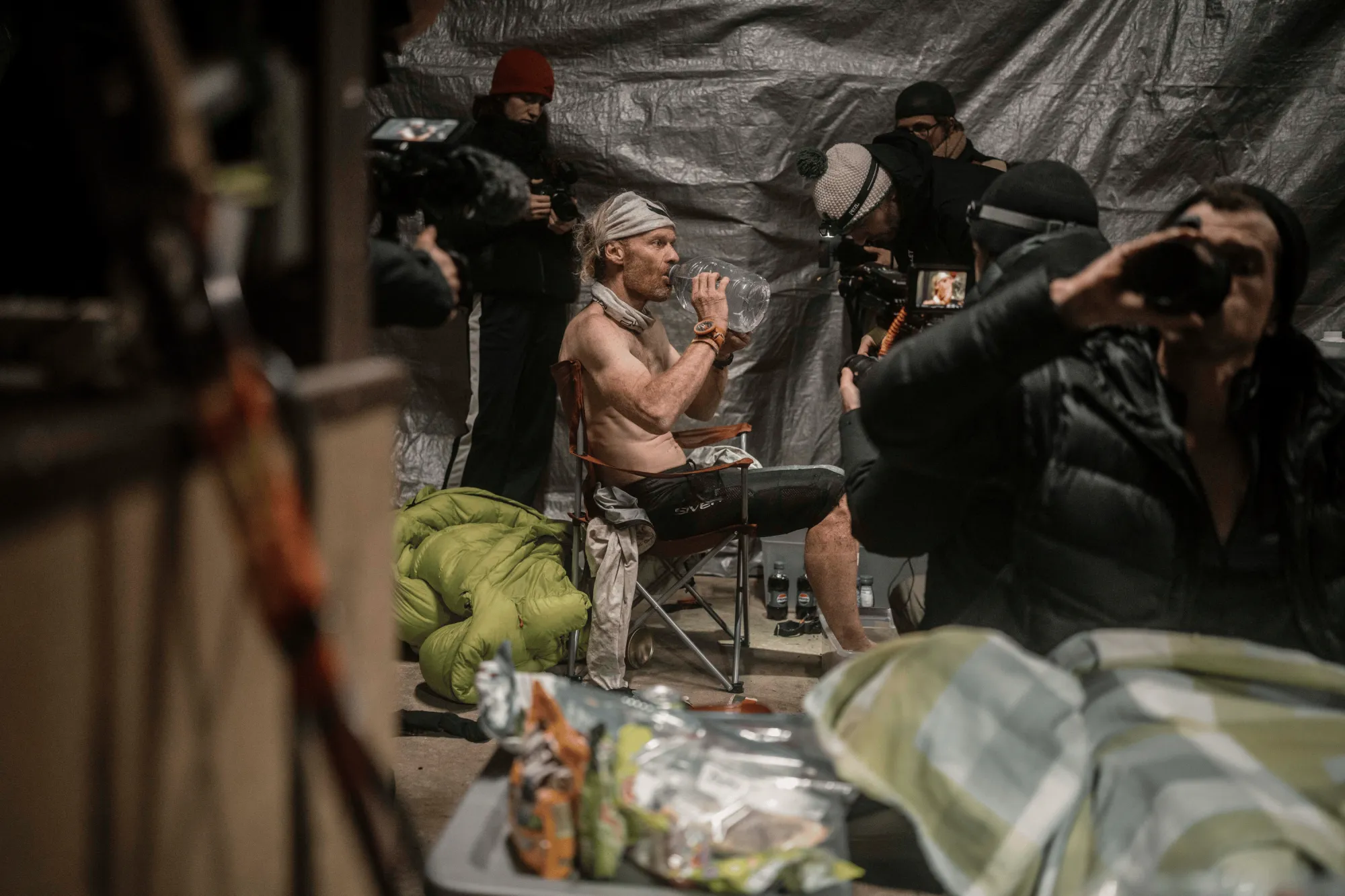
"If you're going to face a real challenge, it has to be a real challenge. You can't accomplish anything without the possibility of failure. Some of the failures are spectacular and really funny. But you like to see people have the opportunity to truly find out something about themselves."
— From the documentary film, The Barkley Marathons: The Race That Eats Its Young
Inquiry