The Forever Tricksters
Little Devils, Lucky Cats and Cupid's Children
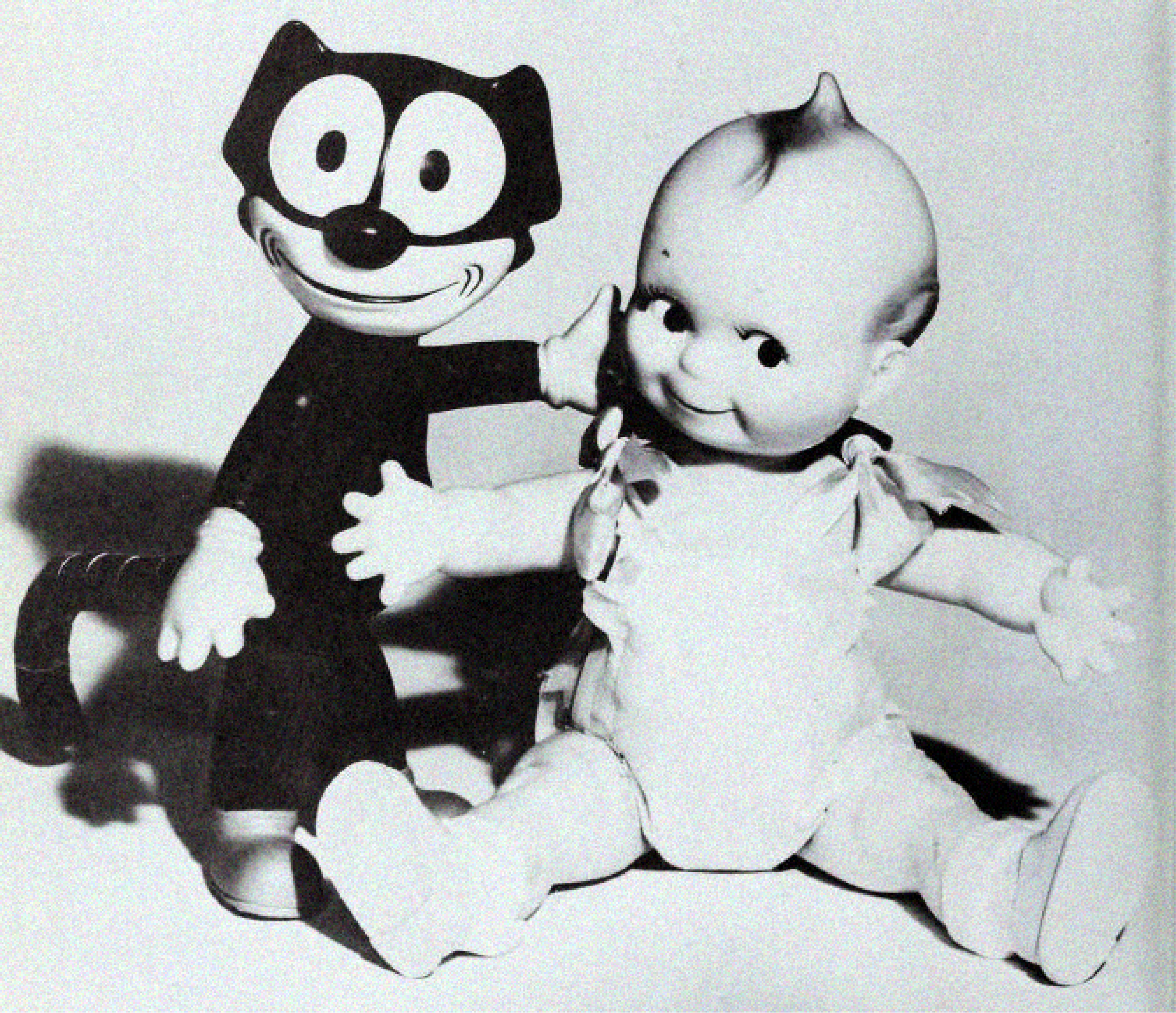
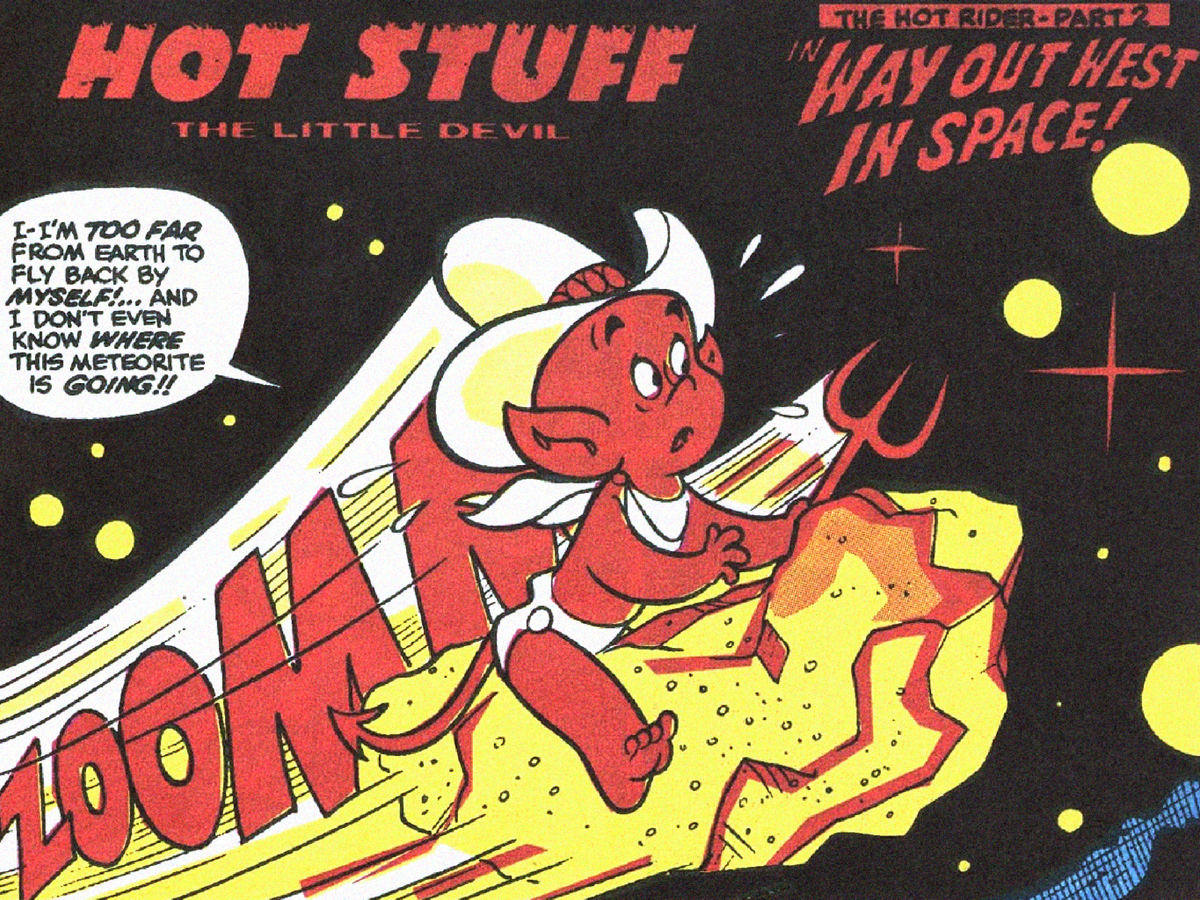
You can usually find them if you spend enough time digging through archival military garments or flipping through faded flash sheets at an old parlor. A 1923 bisque Felix the Cat figure. A Snoopy patch crudely embroidered onto a Vietnam-era tour jacket. Hot Stuff the Little Devil printed on a 1960s pin. They all came from different eras and creators, but they share a strange staying power. They weren't necessarily designed to be permanent historical artifacts, but they somehow managed to outlive the specific cultural anxieties that spawned them.
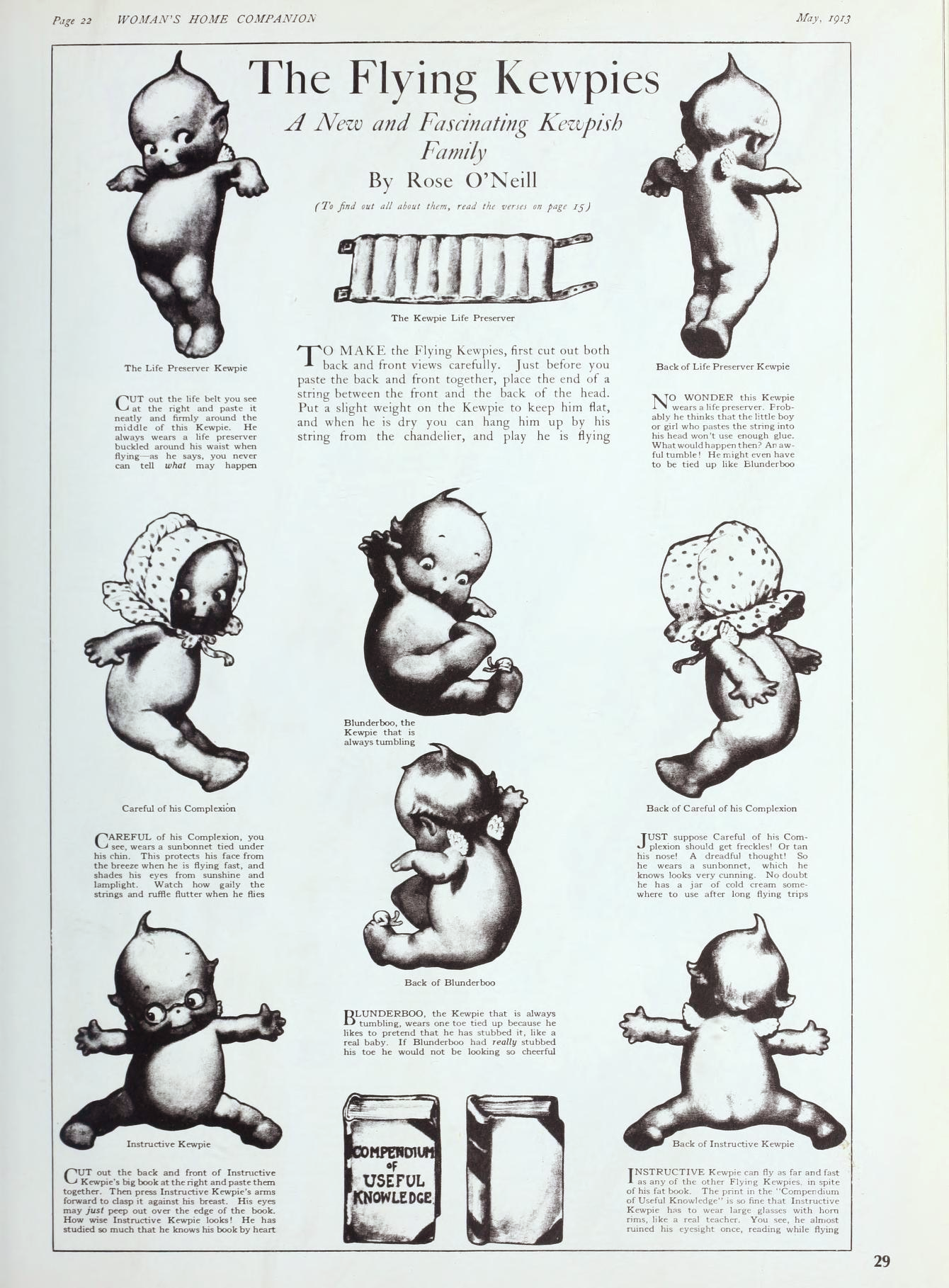
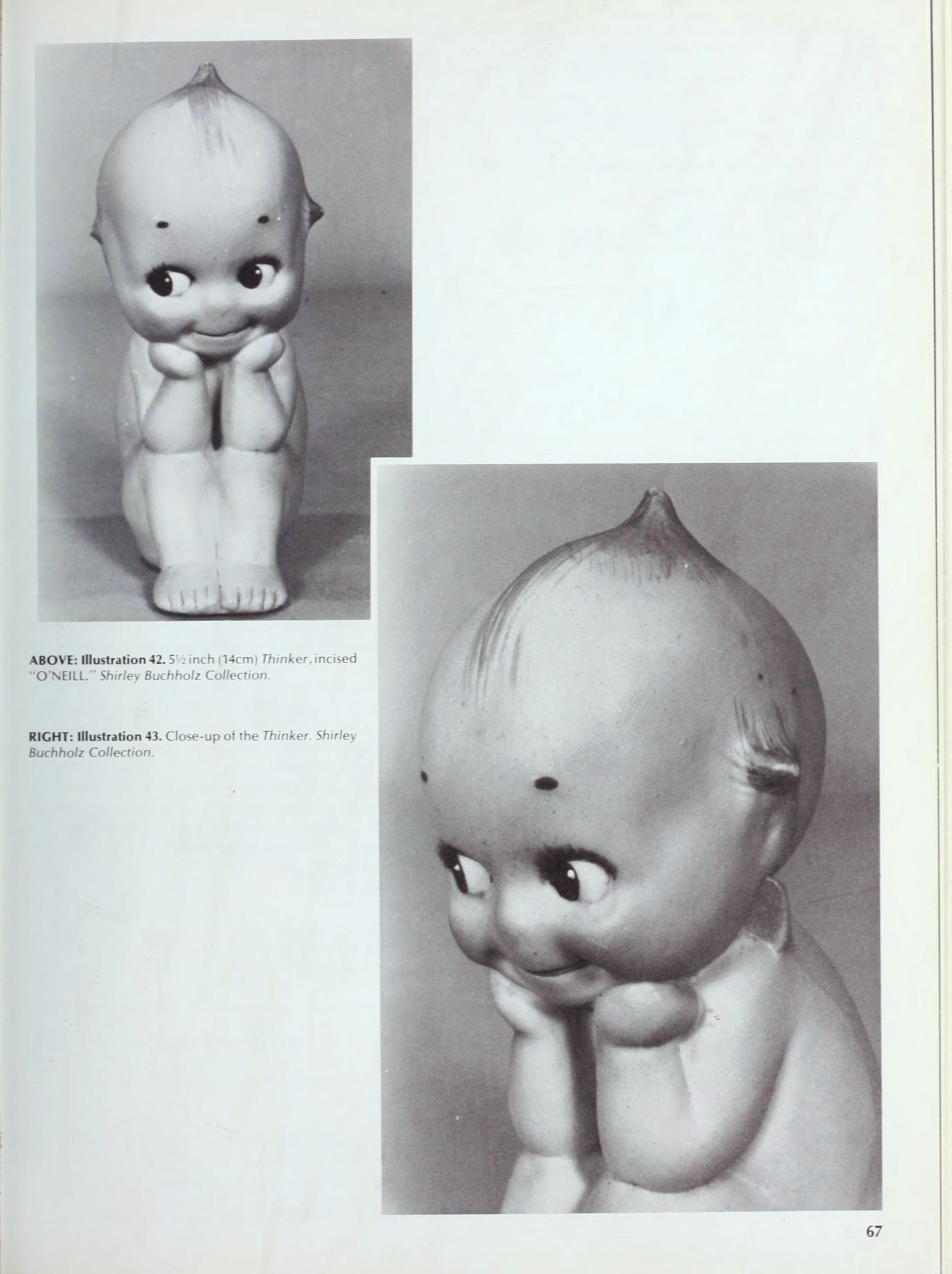
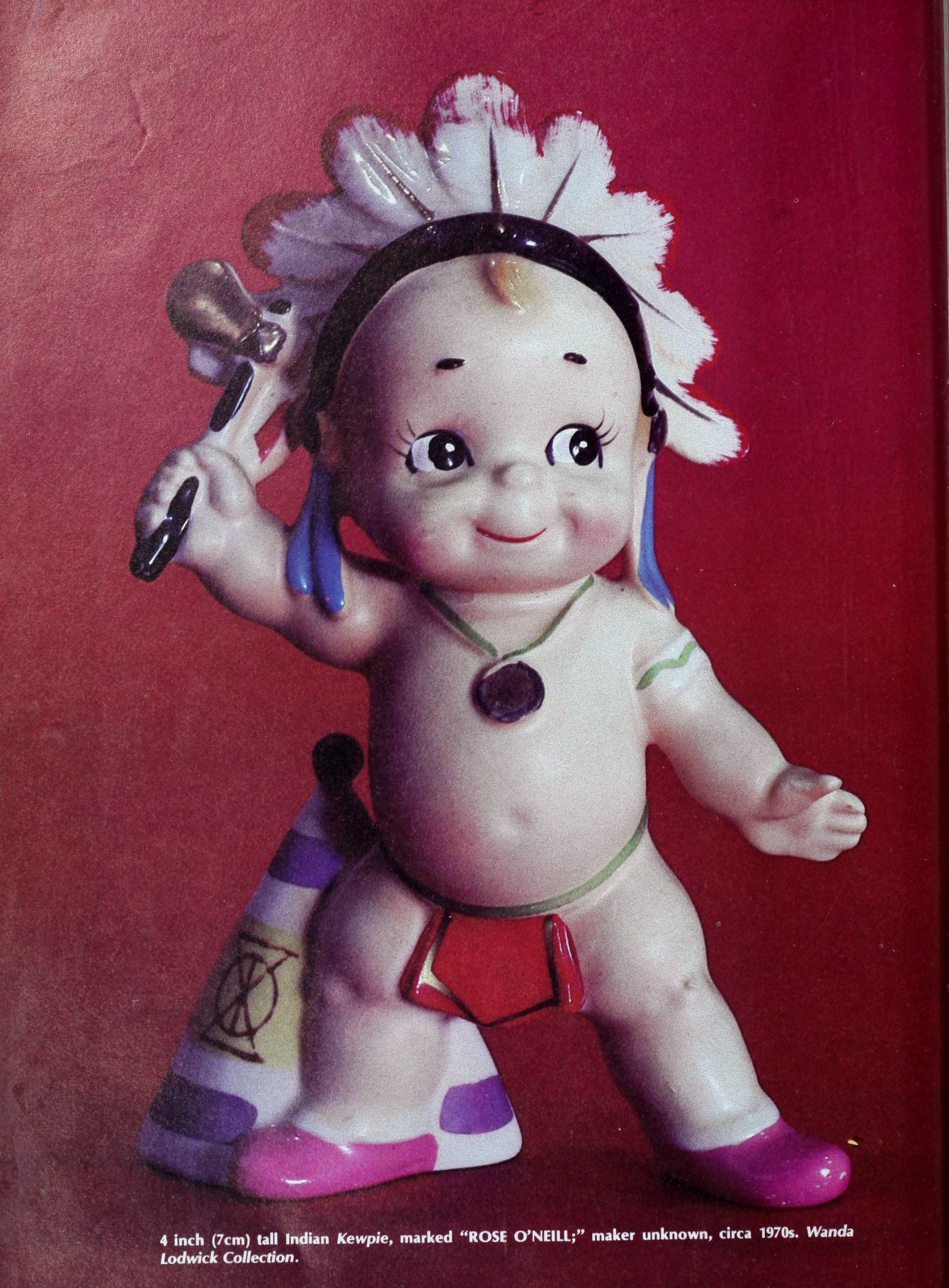
Original Kewpie Illustrations by Rose O'Neill and Bisque dolls (source: Kewpies : dolls & art of Rose O'Neill & Joseph L. Kallus by Axe John)
The reason they keep surfacing in flea markets and vintage archives has less to do with nostalgia and more to do with the type of figures they are. They operate as tricksters. Felix gets by almost entirely on improvisation. Kewpie has a knowing, slightly mischievous look that completely contradicts its Cupid origins. Mickey was actually quite feral and chaotic before Disney smoothed down his edges for mass consumption. Hot Stuff is a literal demon whose main defining trait is annoying older, more serious demons.
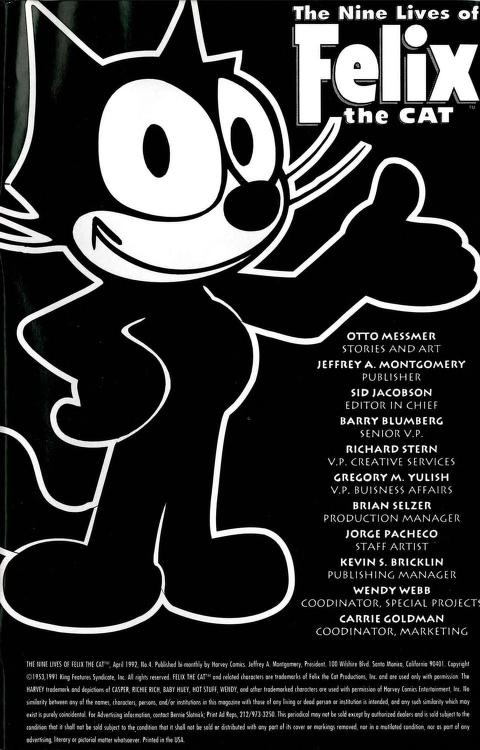
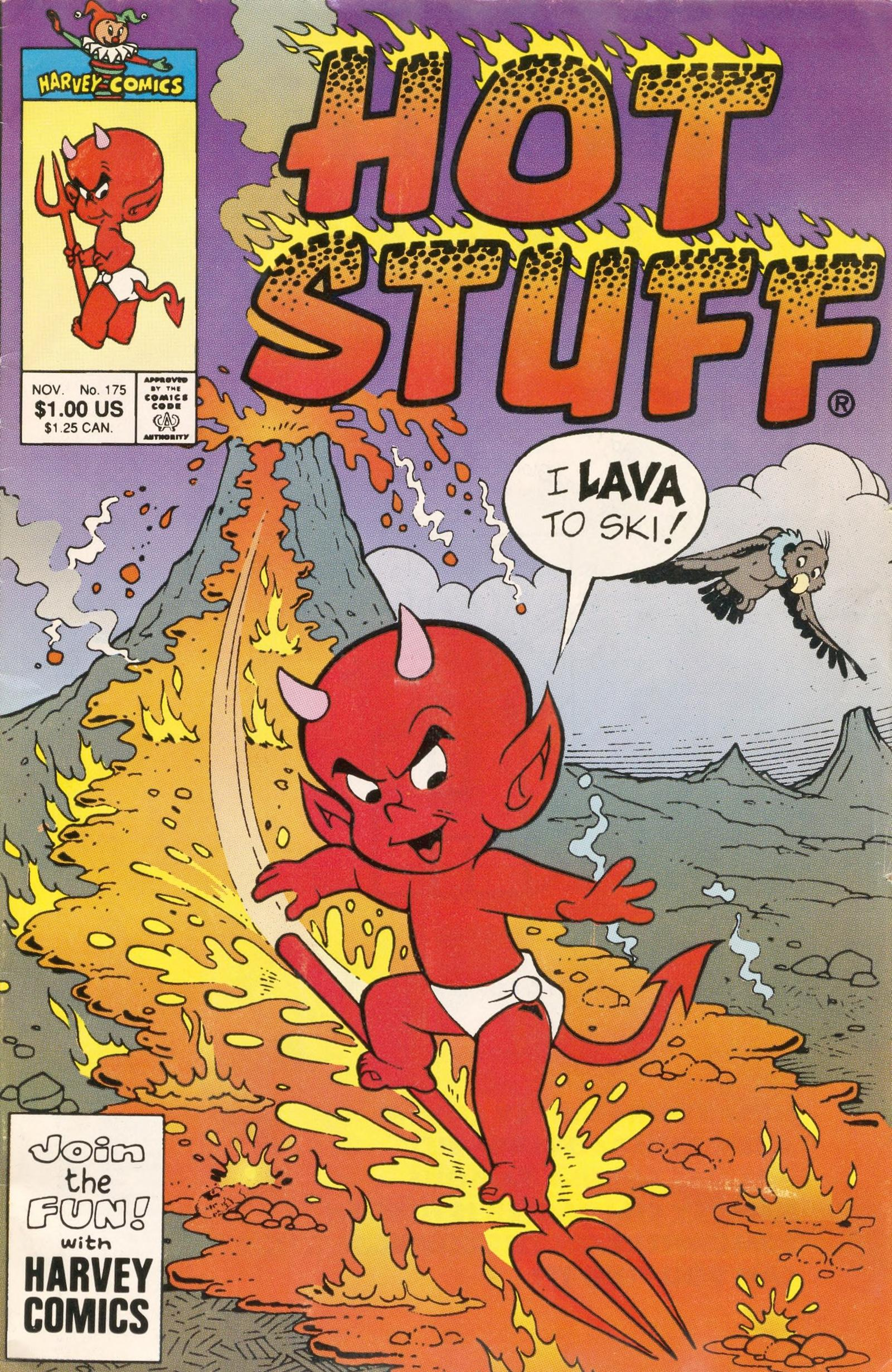
Felix the Cat and Hot Stuff the Little Devil in Harvey Comics book (source: Harvey Comics)
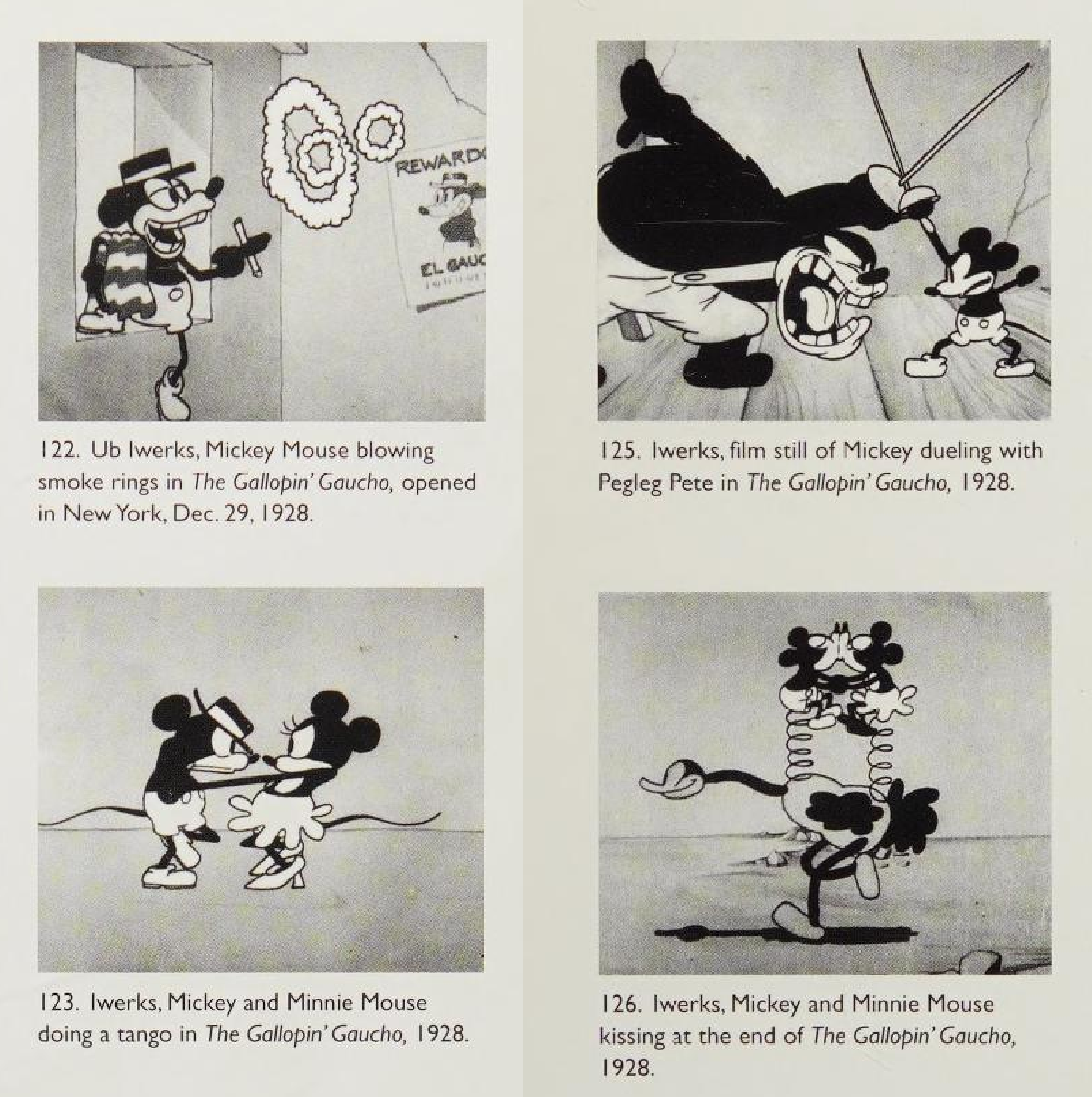
Mickey Mouse Original Illustration in 1920s (source: Walt Disney)
They represent a quiet rebellion. When a society is heavily structured around strict institutions—the postwar corporate ladder, military conscription, rigid social conformity—people naturally gravitate toward a character who knows how to bend the rules and walk away unscathed.
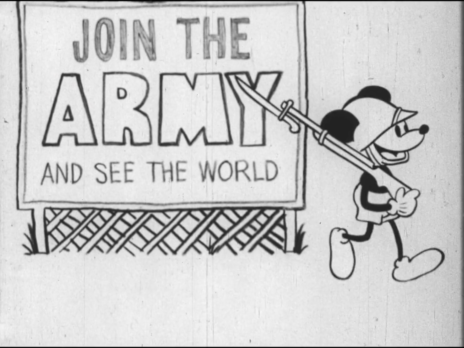
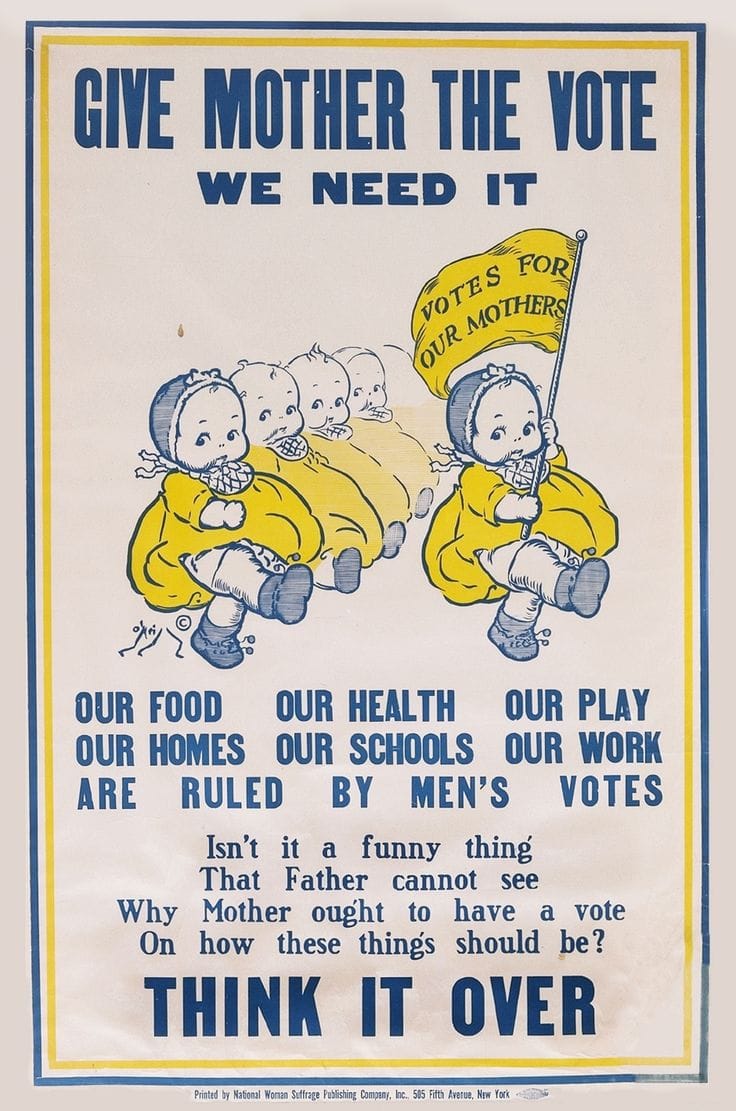
(Left) Mickey Mouse in Vietnam Animation (source: Walt Disney) (Right) Kewpie Featured in Women's Suffrage Movement Poster (source: Rose O'Neil
This dynamic becomes really obvious when you look at how these characters physically intersected with war. It’s fascinating how quickly they were adopted by the very military institutions they seemingly contrasted with. Felix emerged right after WWI, essentially acting as a mass-produced coping mechanism for a traumatized public. By the Second World War, Disney was officially churning out military insignia, slapping Mickey’s face on bomber jackets and government bonds to boost morale.
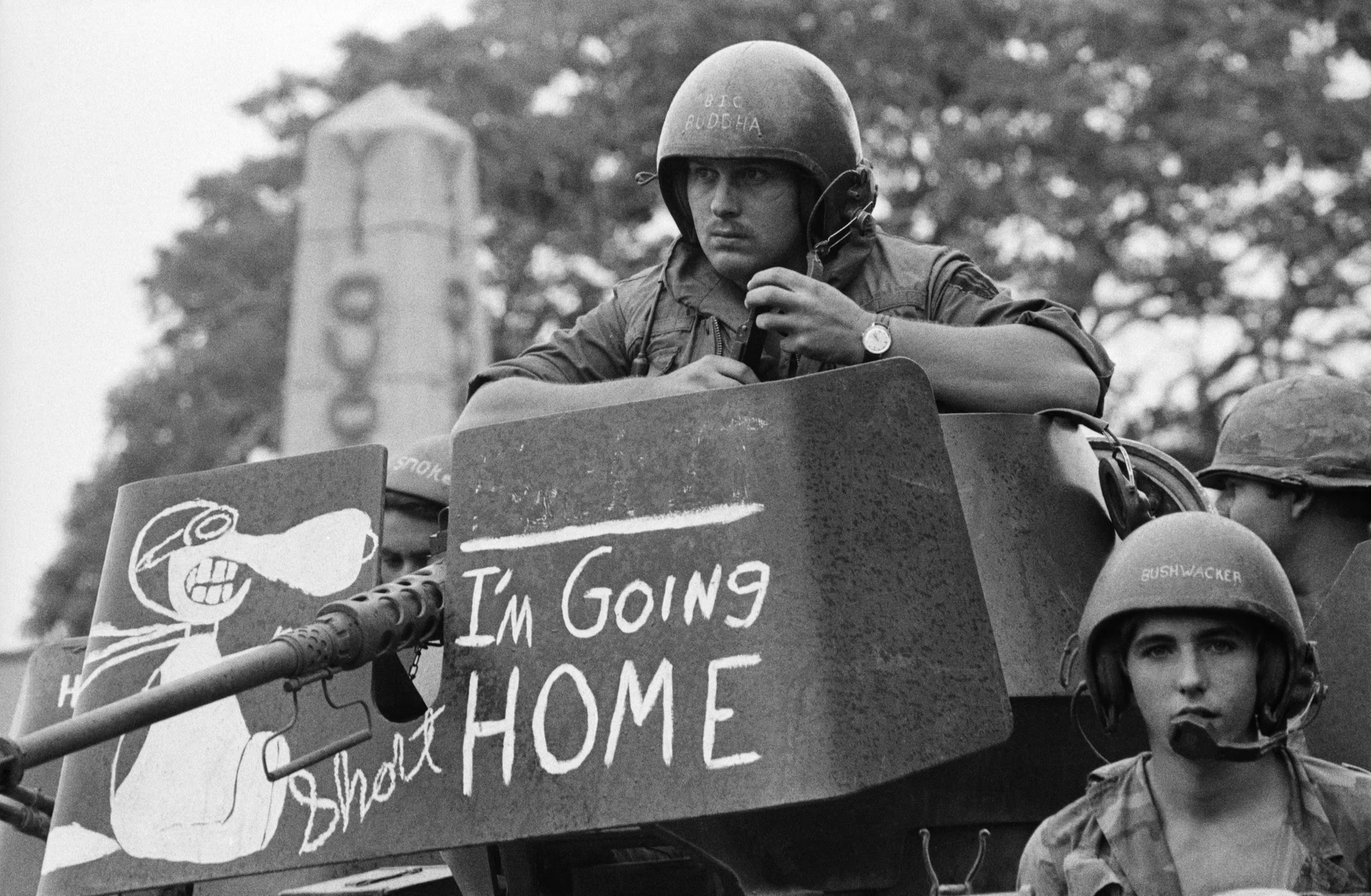
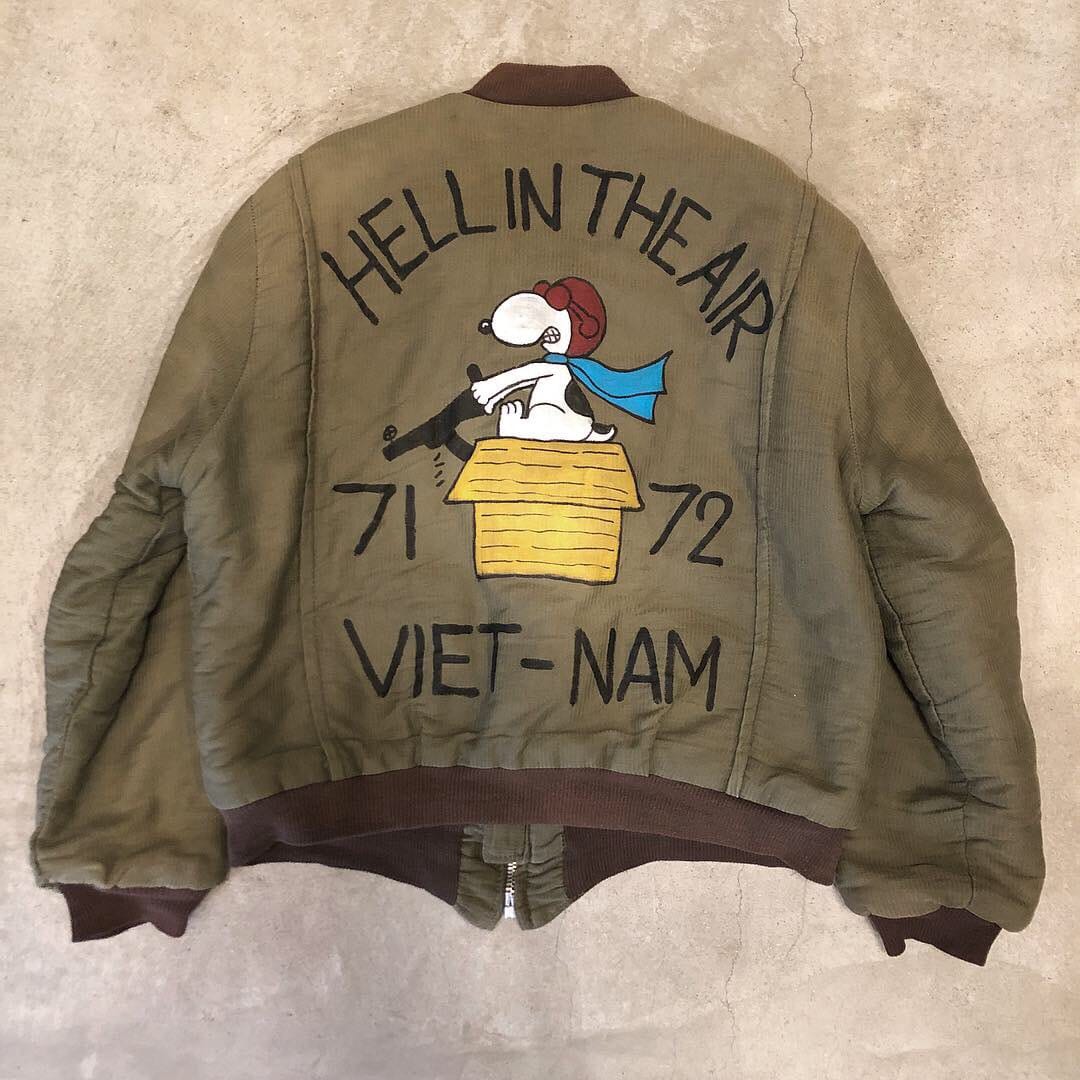
(Left) Snoopy Drawn on the Gun Shield (source: unknown) (Right) Snoopy Vietnam War Souvenir Jacket from 1960s-1970s (source: unknown)
But Snoopy's presence during the Vietnam War is probably the most complex physical record of this. Charles Schulz introduced the WWI Flying Ace persona at the exact time the U.S. was escalating its involvement in Southeast Asia. Soon, Snoopy was staging fictional anti-war protests in the Sunday paper, while out in the real world, soldiers were painting him on the noses of fighter jets and stitching him into custom souvenir jackets. Looking closely at those vintage military pieces, you realize the beagle wasn't just a mascot. He was a piece of civilian home life, a deflection of fear, and sometimes a subtle form of protest, all tangled up in a single embroidered drawing.
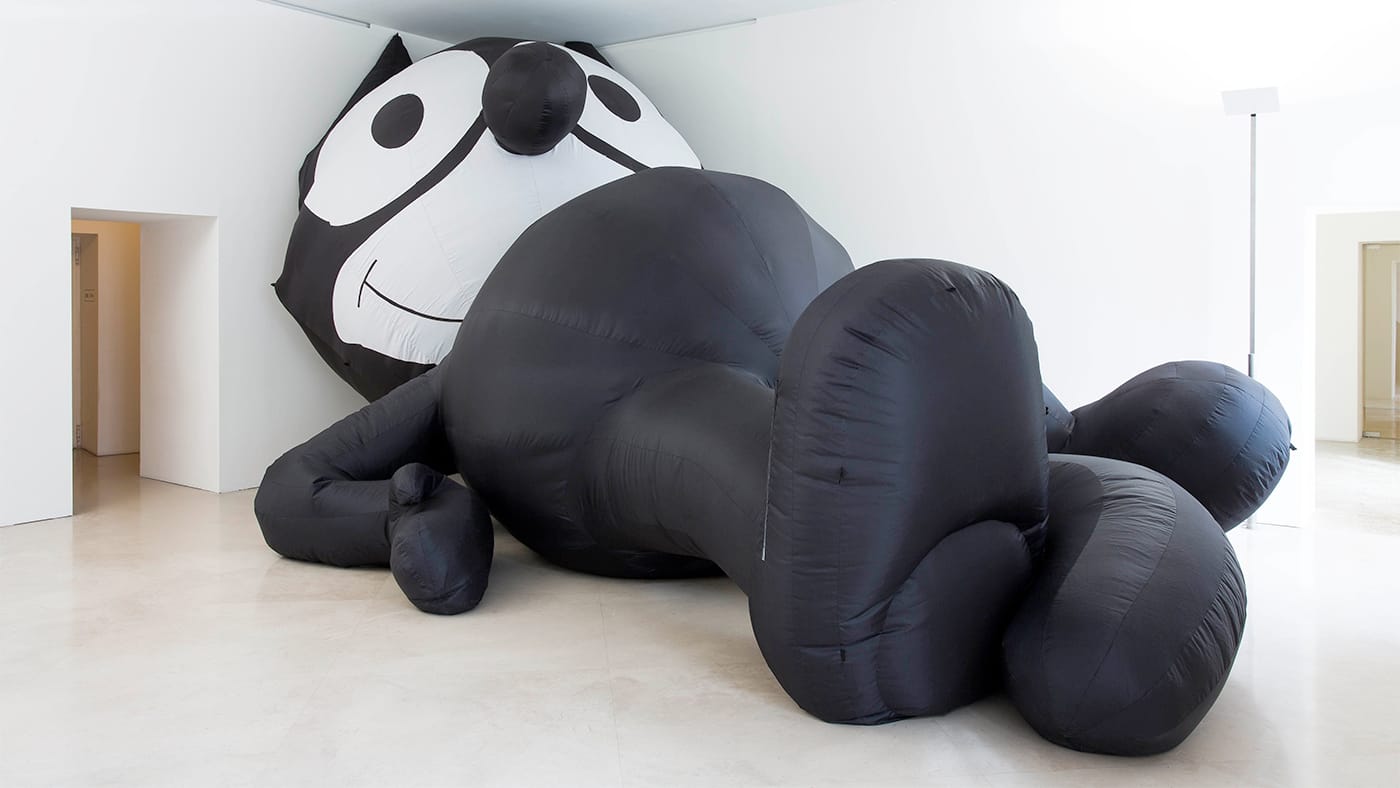
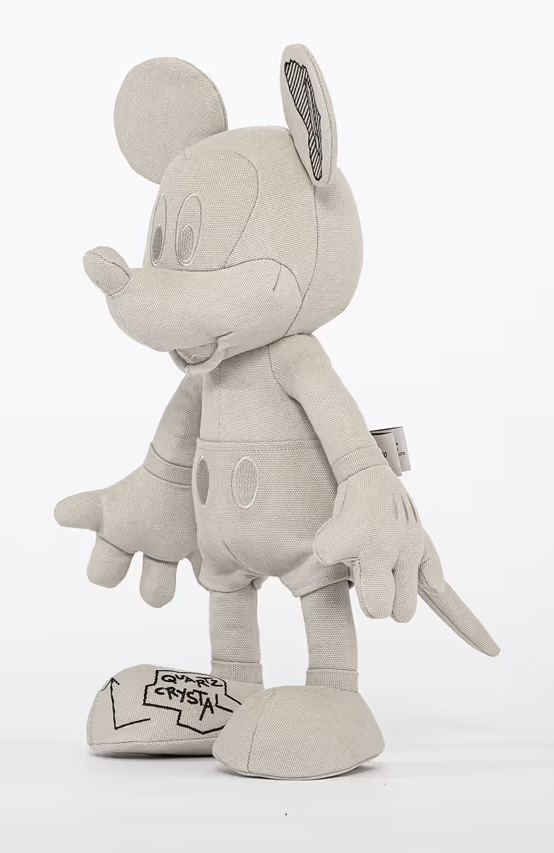
(Left) Felix the Cat, 2013 by Mark Leckey (source: Art in Liverpool) (Right) Six-foot-tall Mickey Mouse Plush by Daniel Arsham x Disney x APPortfolio (source: Hypebeast)
That specific utility is exactly why they don't just exist as static history. You see it constantly in how modern design studios and independent creators interact with these vintage archetypes today. They aren't treated as sacred, untouchable artifacts. Instead, they get pulled apart, bootlegged, and repurposed to fit entirely new subcultural contexts—showing up as recontextualized graphics or subtle references woven into contemporary collections (with Felix and Hot Stuff the Little Devil remaining favorites in old school tattoo flash). This active dialogue between the original heritage and modern design is what keeps younger collectors digging through racks and bins. It guarantees these characters don't just gather dust in a reference archive. They stay in motion, getting worn, studied, and continually reshaped by whoever picks them up next.
Inquiry