Final Home
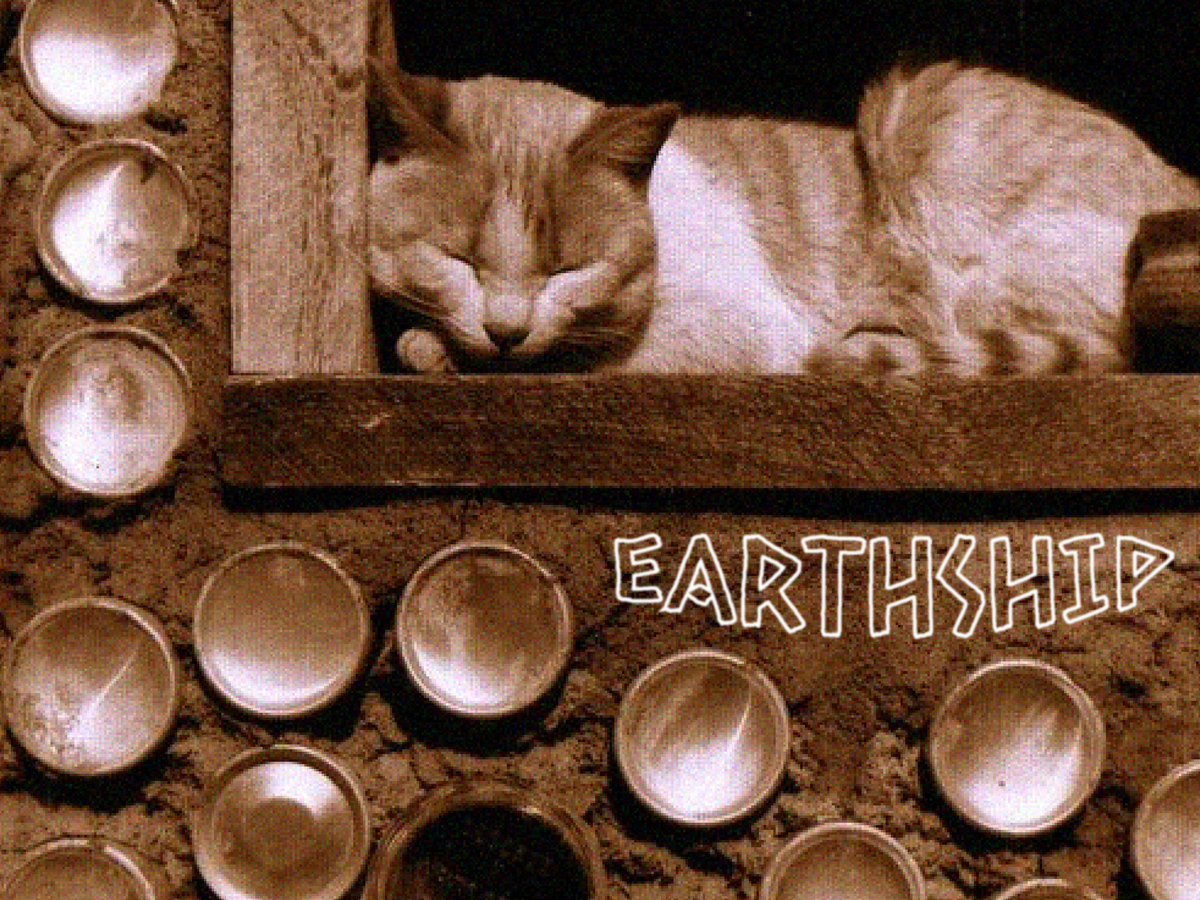
Michael Reynolds landed in Taos, New Mexico in 1970, fresh out of architecture school, and immediately walked into a landscape that would swallow the next five decades of his life.
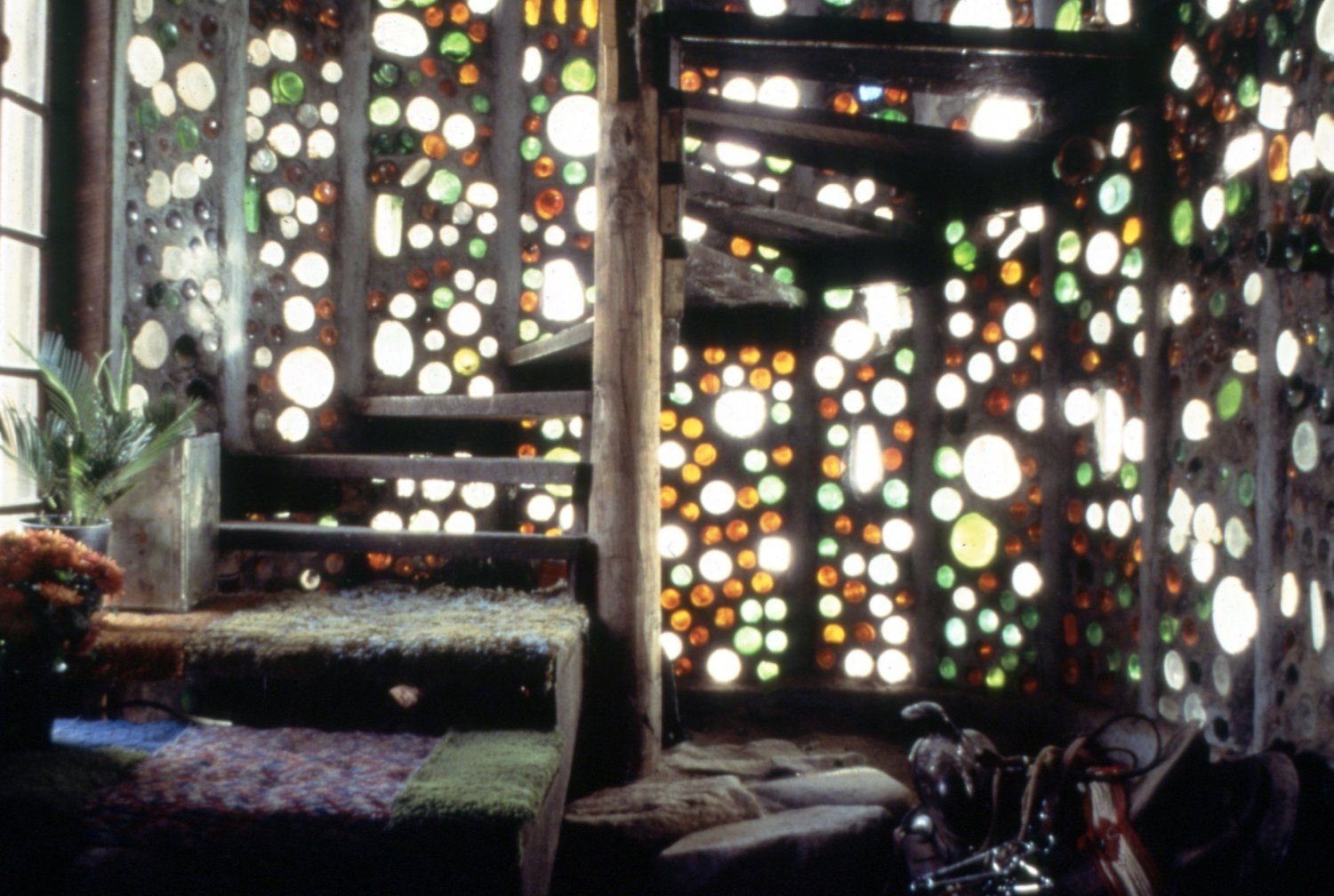
Earthship's Signature Glass Bottle Wall (source: Earthship Biotecture)
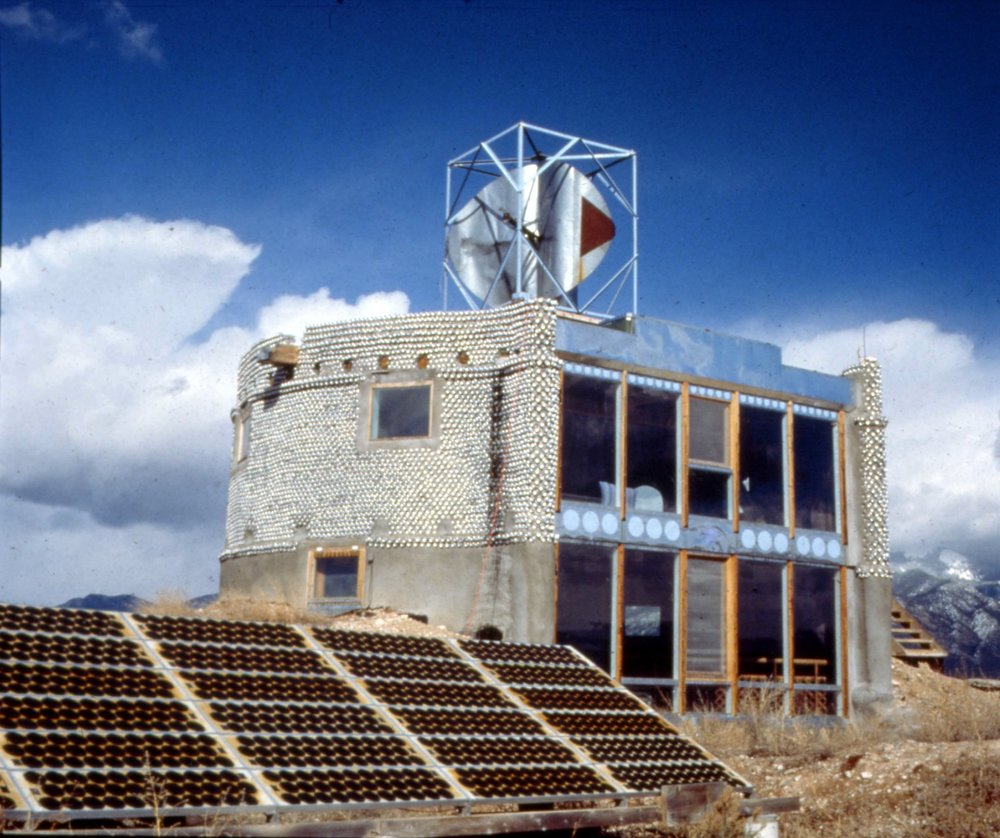
Earthship Exterior (source: Earthship Biotecture)
The early '70s carried a very specific kind of anxiety. The 1973 oil crisis made it impossible to ignore that modern life—heat, electricity, water, food—was hooked up to a supply chain that could be cut off at any moment. The back-to-the-land movement was already pulling people out of cities and into places like Taos, flipping through the Whole Earth Catalog by kerosene light, trying to figure out what self-sufficiency actually meant in the dirt.
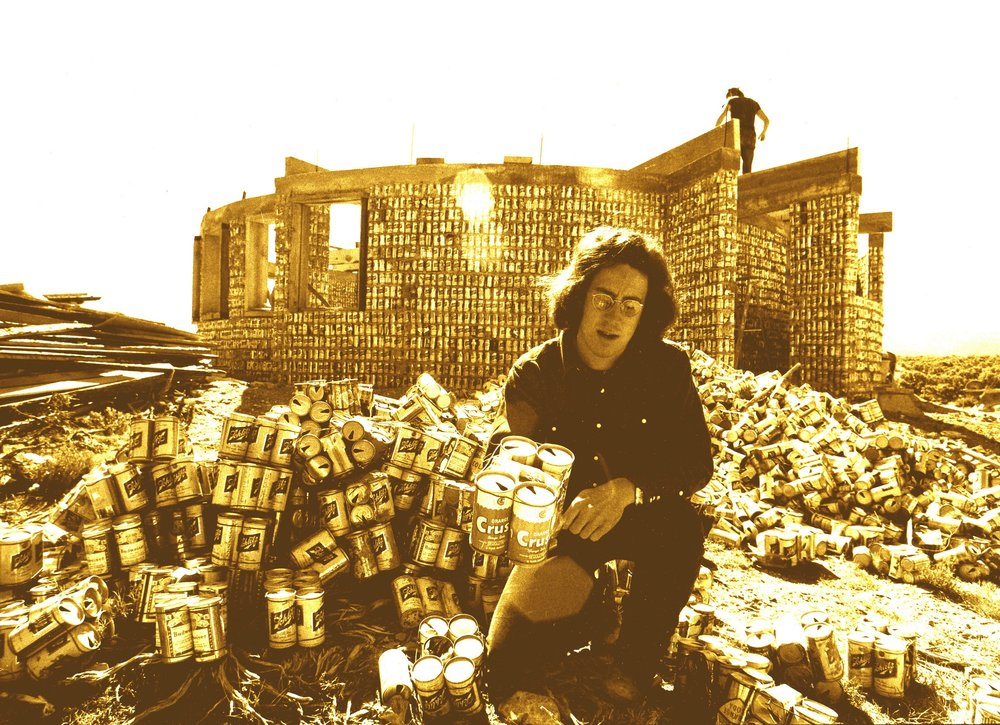
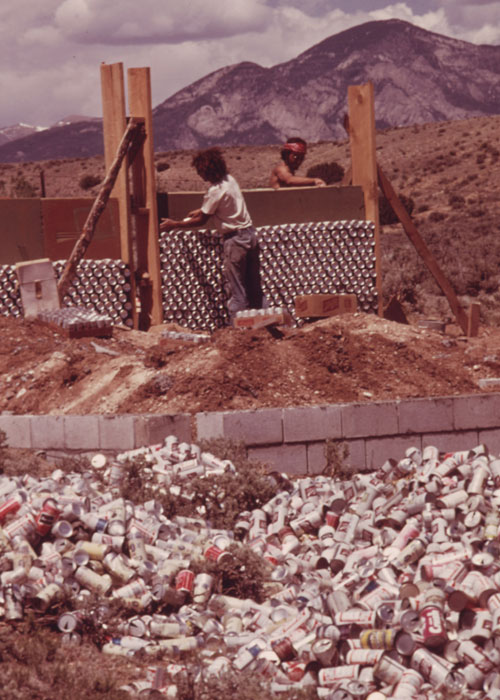
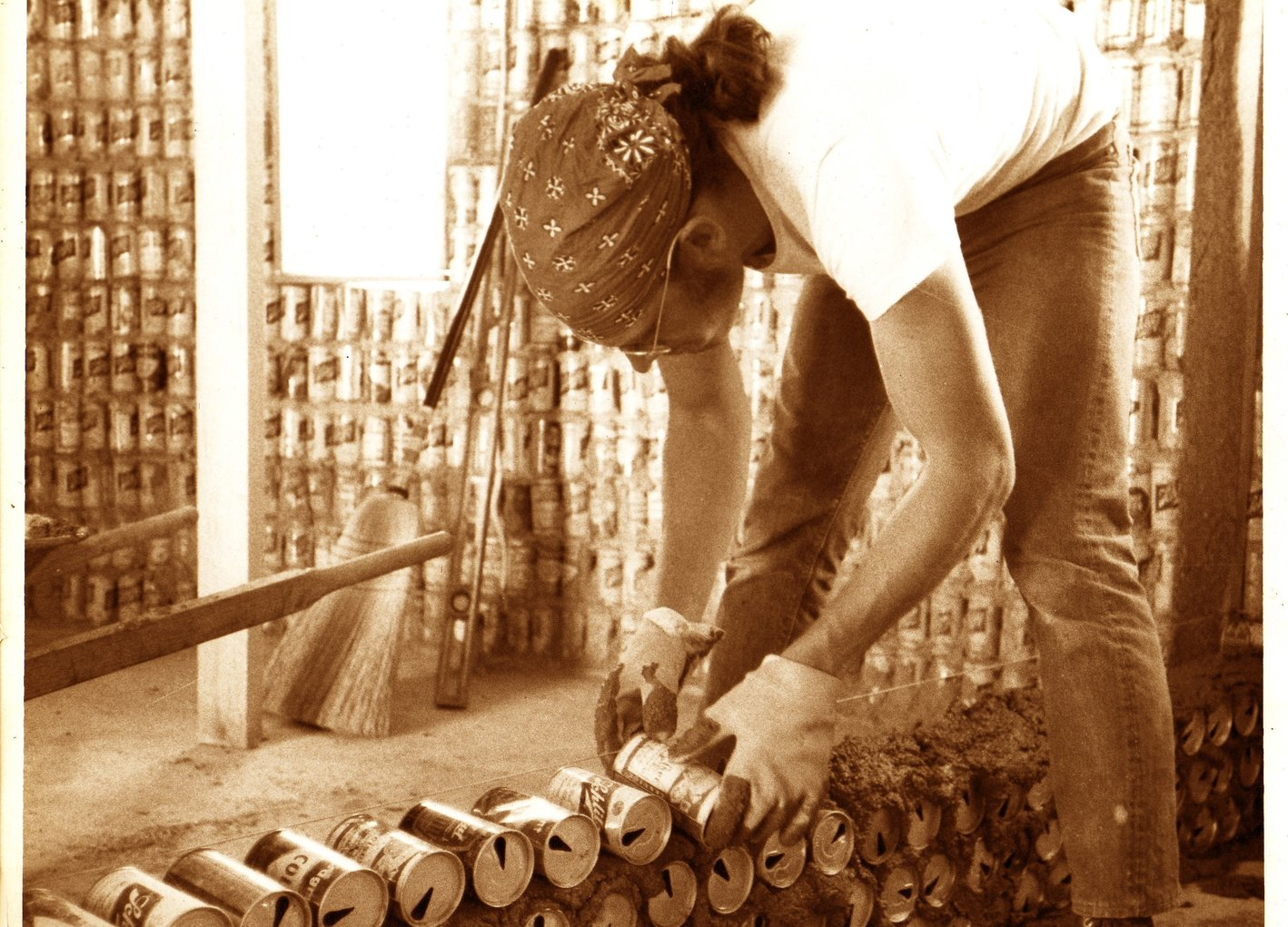
(Left) Michael Reynolds Posing with "Can Bricks" (source: Earthship Biotecture) (Right) (source: Earthship Biotecture)
What drove Reynolds wasn’t grand ideology. He looked at the mountains of trash and the brutal shortage of housing, and faced a straightforward question: why were architects completely ignoring the reality of waste and the housing crisis? Earthship was his answer to that failure.
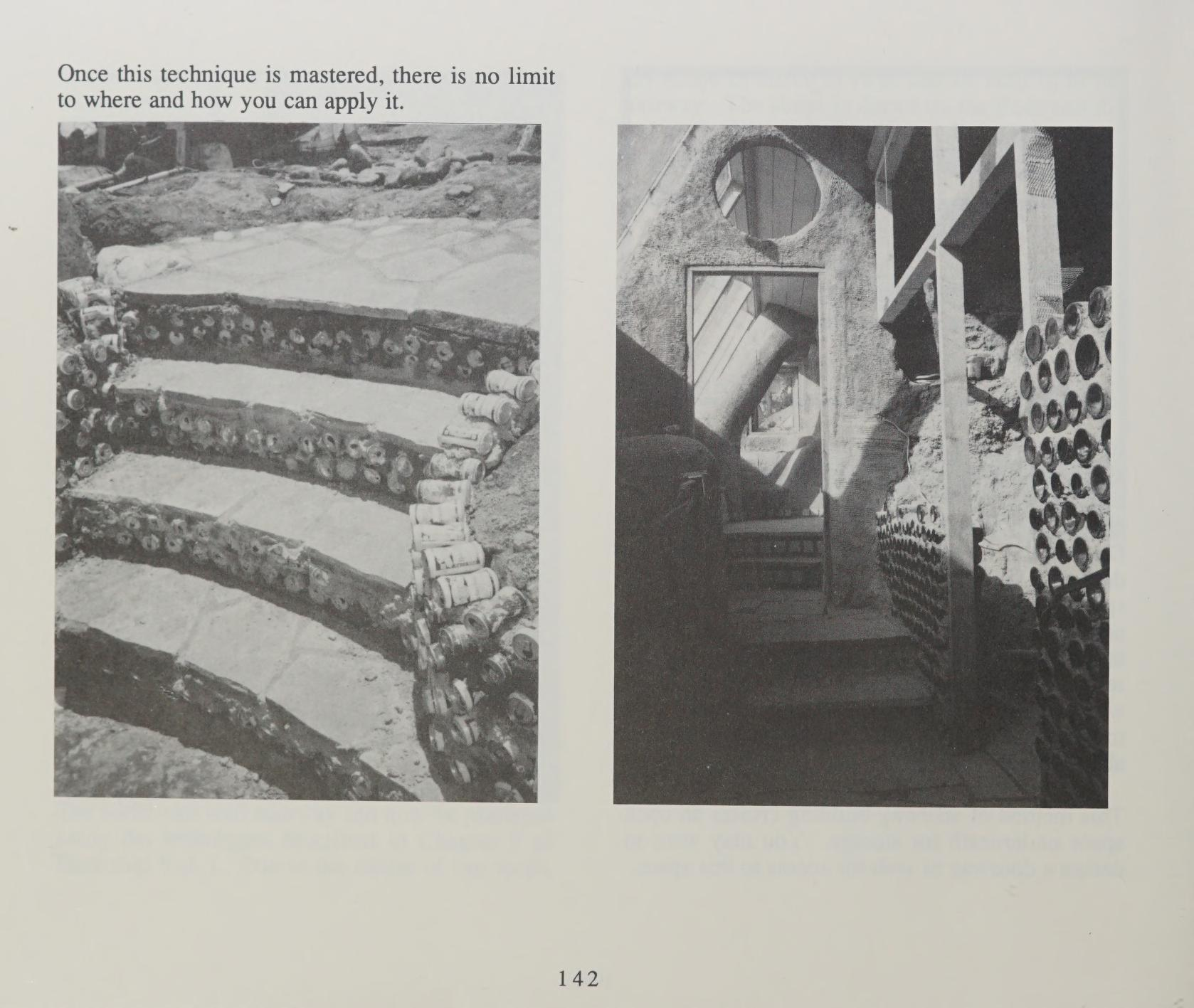
In 1973, he figured out that garbage packed with earth becomes dense, durable insulation. His first building block was a simple can brick—ten empty tin cans wired together and locked in concrete. This was years before recycling existed. The cans were pure waste. Reynolds turned them into a wall.
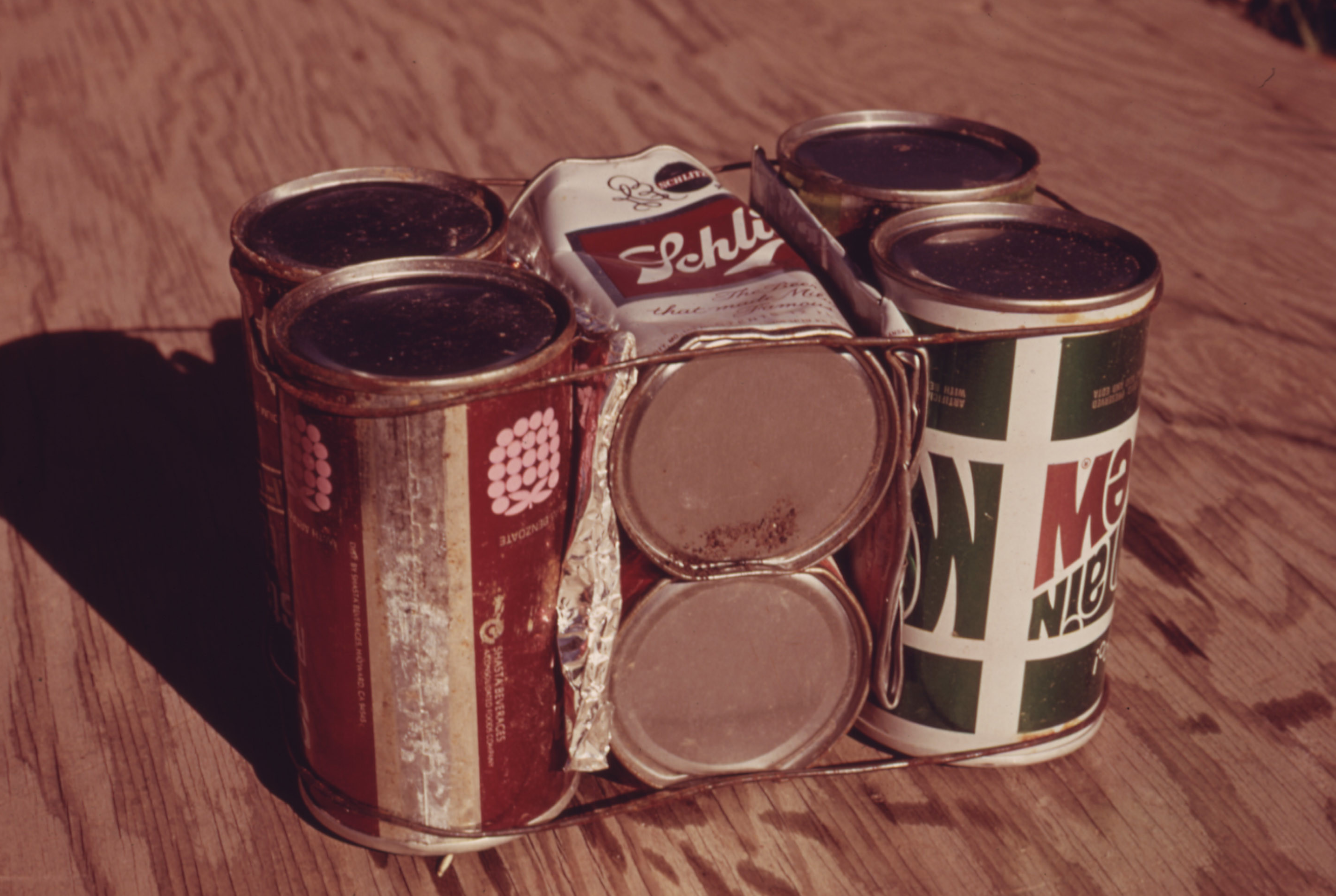
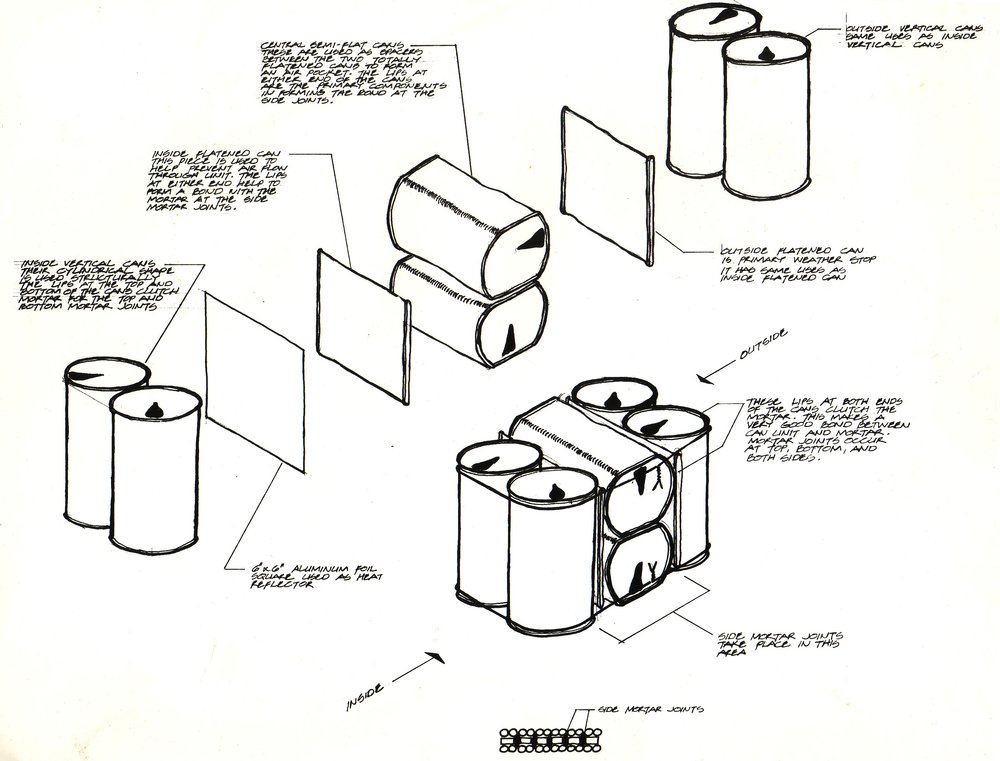
Can Brick and Diagram (source: Earthship Biotecture)
He called what he did Biotecture—biology plus architecture, built on the idea that a house should function like a living organism that actively cares for the people inside. A conventional home demands a constant stream of inputs—gas, electricity, water piped in, waste piped out, bills piling up. Reynolds wanted to invert that completely.
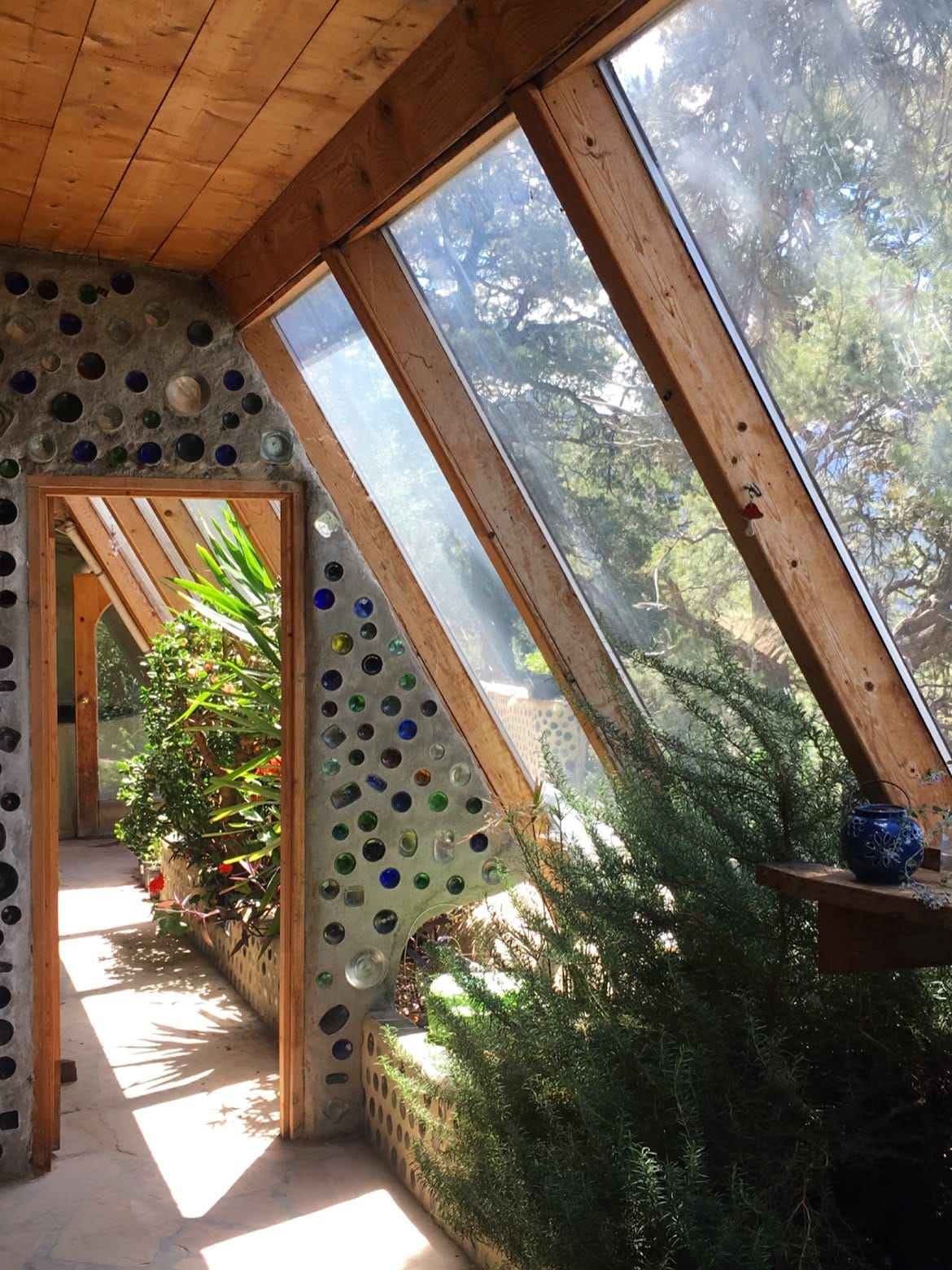
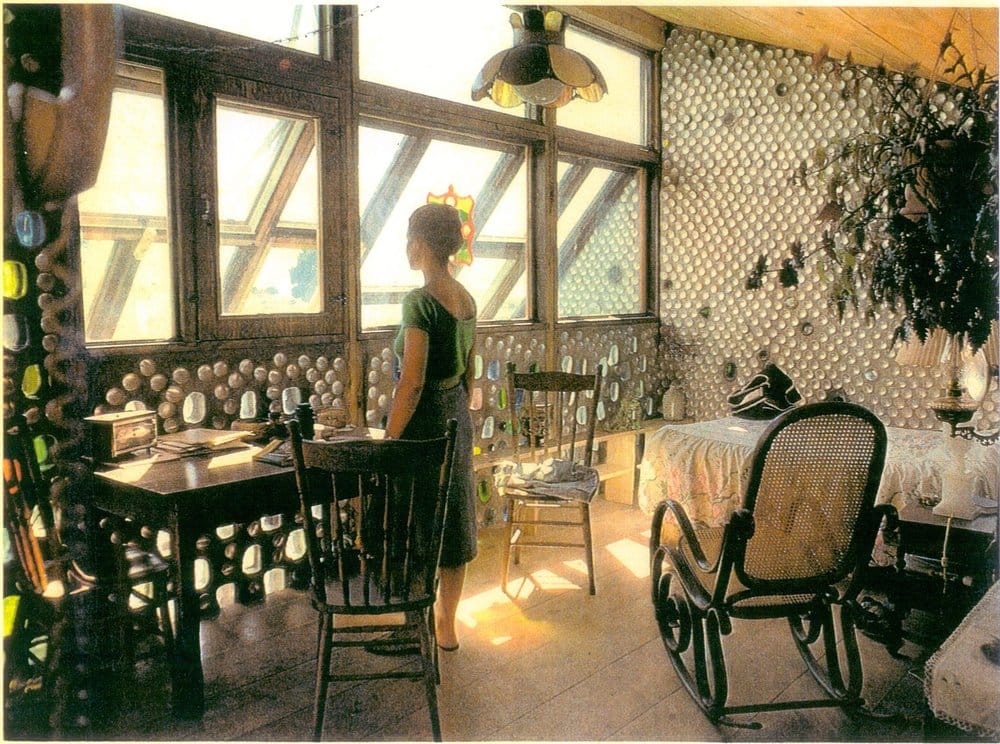
(Left) (source: @earthshipe) (Right) (source: Earthship Biotecture)
The foundation of his work rested on what he called "unarguables"—the physical laws that politics and regulations can't touch. "You can argue with politicians about nuclear or coal-fired power, but you can't argue with the sun or with gravity." Governments change, but the sun rises where it always has. He built on that instead.
But putting that theory into practice wasn't easy. By the 1990s, the New Mexico Construction Industries Division ruled that building homes out of trash and old tires was illegal and dangerous. They stripped Reynolds of his architectural license and slapped him with lawsuits. Refusing to back down, he headed deeper into the desert in Taos, gathering people to quietly build experimental Earthship communities completely off the grid.
The turning point came when disaster struck. During major crises like the 2004 Indian Ocean tsunami and Hurricane Katrina in 2005, conventional infrastructure completely collapsed. Reynolds and his team rushed to disaster zones, using local waste to throw together functional survival shelters in a matter of days. Seeing how these structures actually performed when it mattered most changed the conversation entirely. By 2007, New Mexico finally reinstated his architectural license after 17 years and went on to pass a sustainable experimental building law in his honor.

The Earthship Water Organizing Module (W.O.M.) (source: Earthship Volume 2)
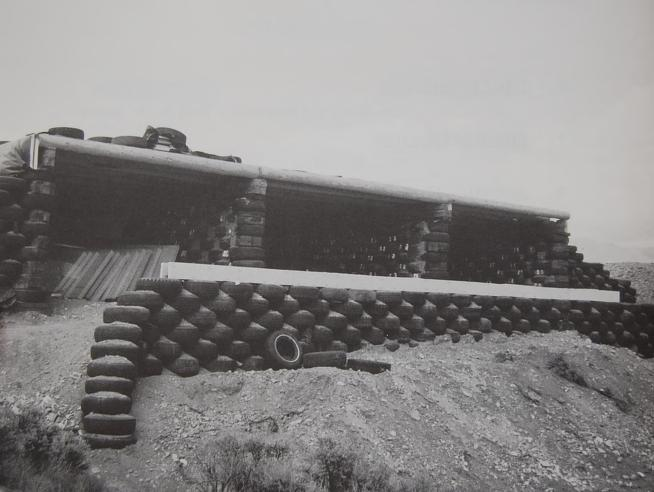
Today, an Earthship runs on six interlocking systems that replace the grid. The structure is bermed into the earth with a massive south-facing glass wall. Tire walls packed tight with rammed earth soak up heat during the day and bleed it out slowly through the night, keeping the interior stable without a furnace or AC. Solar panels and wind turbines feed on-site batteries, cutting energy use by 75%. Rainwater and snowmelt are caught from the roof, stored in cisterns, and filtered for drinking. That same water cycles through the indoor garden, filters through plant roots, and flushes the toilet.
(source: Earthship Volume 2)
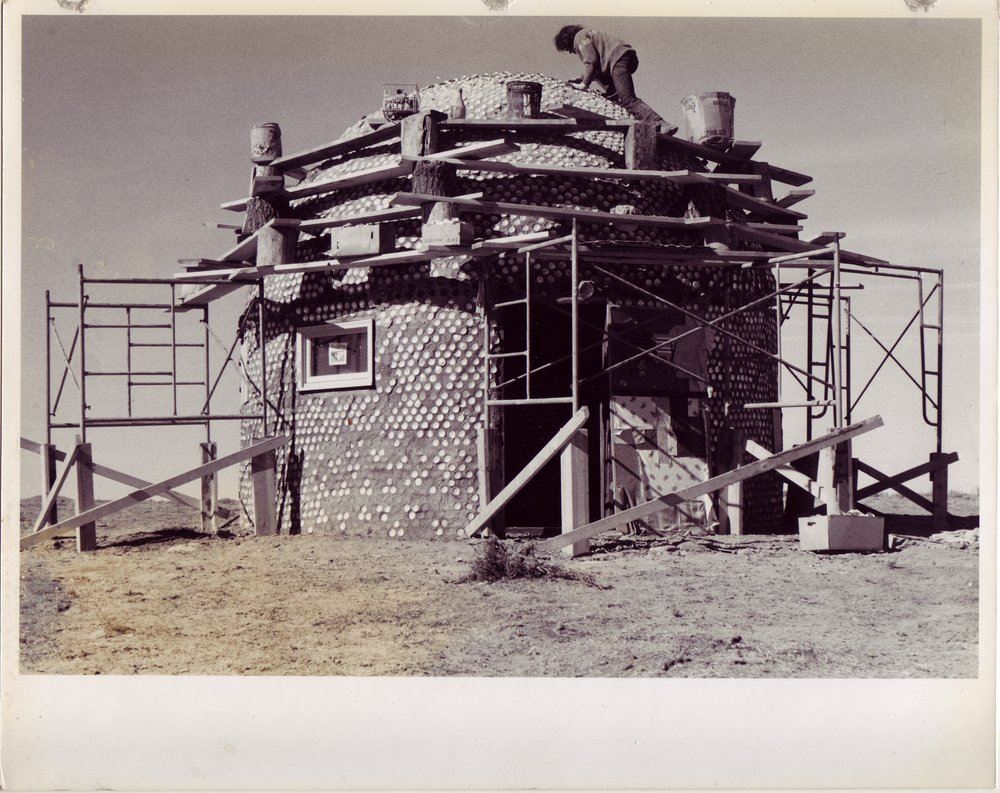
A typical Earthship is built from about 50% recycled materials—tires, cans, glass bottles, and old appliance panels pulled straight from the waste stream. The rest is standard lumber, glass, and concrete.
What stands out about Reynolds isn't just the engineering. It’s the ethics underneath it. He looked at a world producing endless mountains of tires and aluminum cans while running a massive ecological deficit, and asked whether architecture had any responsibility toward any of it. His answer was yes.
True survivalism isn't about the fantasy of outlasting everyone else. It’s the harder work of figuring out how to live without taking more than you need. The Earthship is one answer to that. But the question—how do you exist on this planet without wrecking it?—is the one that everyone who makes things for a living eventually has to face.
Reynolds sat with that question for fifty years. He's been working on the next step: the Refuge. It's his most streamlined model yet, designed like a "Model T" for sustainable housing, built off an assembly line and delivered straight to the site. Fifty years of trial and error, compressed into something anyone can use.
Inquiry